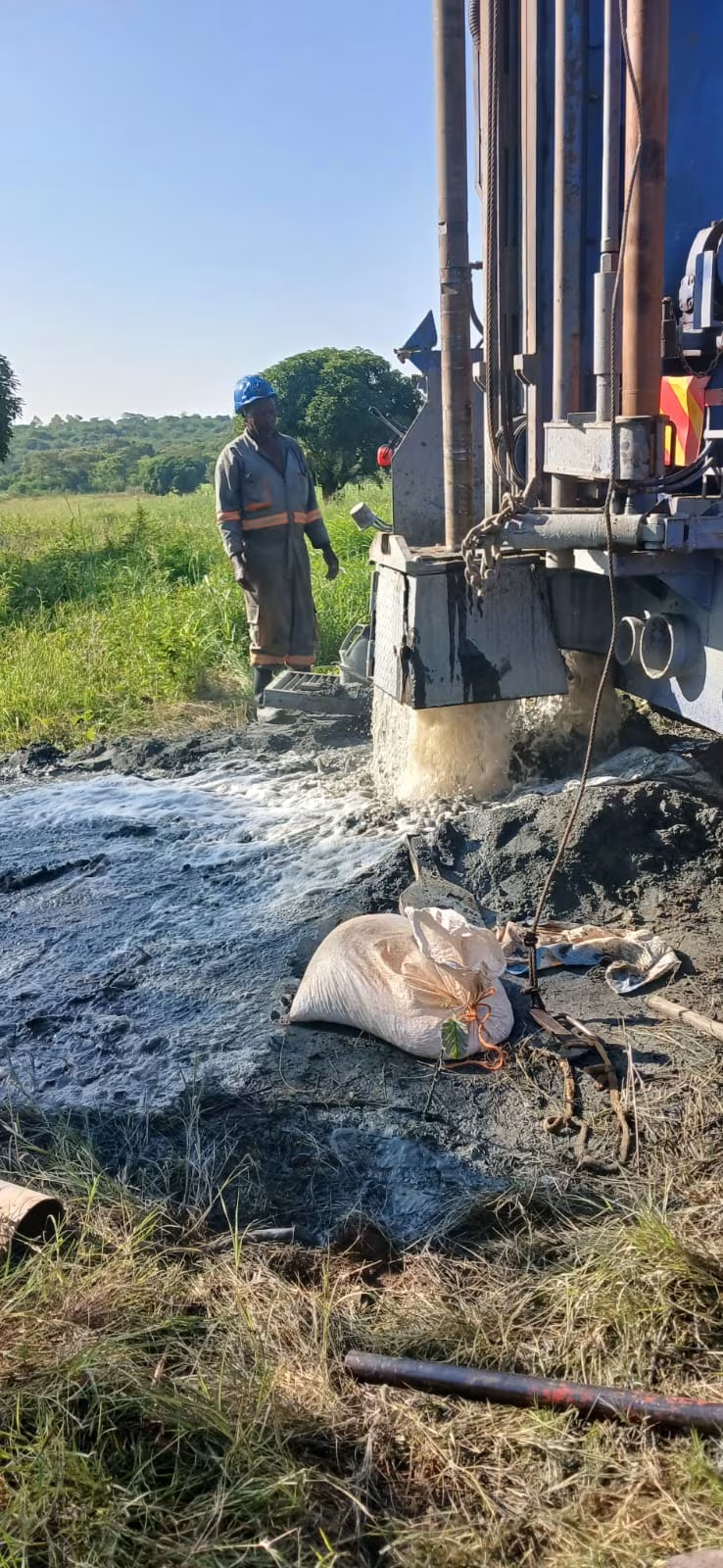
Narok drilling report transfer should preserve the recommendation, location and uncertainty when a project moves from assessment towards construction. A selected screenshot may not contain everything the next team needs. Therefore, share the current complete file and clarify its purpose. Confirm whether an appropriate drilling assessment is available for the actual site and proposed scope.
Use the Narok county project page for the wider enquiry. See borehole drilling and request a scope using your current report. This guide addresses the handoff between stages without claiming local geology, completed projects or guaranteed water.
Start Narok drilling report transfer with the current version
First, identify the report title, date and available amendments. Include maps, appendices and written clarifications. A brief conclusion can omit the assumptions that informed the recommendation. The prospective drilling team should know which document the owner currently relies on.
Next, retain older versions with clear labels rather than mixing their pages. A changed reference or recommendation may otherwise appear inconsistent. Ask the author to clarify unresolved differences. The owner should not choose whichever figure seems more convenient without understanding its meaning.
Before sending the file, check whether referenced appendices are actually attached. A missing map or supporting section can leave the next team without information the main text assumes. Ask for the complete document rather than treating an incomplete copy as final.
Also, state the original project purpose and any later change. A survey for one intended use may not answer a revised development question. The next supplier needs the current brief. Do not assume the report remains equally relevant after the owner changes its objective.
Carry the location reference into the construction enquiry
Compare the report map, written point reference and current site layout. If they do not clearly identify the same place, request clarification. A drilling team should not have to select a convenient point from an ambiguous sketch. Keep the assessed location traceable.
Next, tell the provider about new buildings, stored materials or access constraints affecting the proposed point. Do not move it informally to make room. Ask the relevant professionals and authority what review a change requires. A nearby alternative does not automatically have the same assessed basis.
Also, identify who communicates an accepted update. Several private messages can create competing instructions. Use the agreed route and retain the written clarification. The project file should show why a location changed and which limitations still apply.
Organise Narok drilling report transfer by question
| Report element | Handoff question | Record to preserve |
|---|---|---|
| Purpose | What decision did the assessment address? | Original and current project brief |
| Location | Can all parties identify the same proposed point? | Map, reference and relevant clarification |
| Recommendation | What action does the report actually propose? | Complete wording and conditions |
| Depth information | What does each figure represent? | Labels and professional explanation |
| Uncertainty | What remains unproven before drilling? | Limitations carried into the next scope |
| Changes | Who may approve and communicate a revised instruction? | Controlled update and approval route |
Use the table to organise buyer questions rather than reinterpret specialist findings. A map inconsistency and a technical concern need different attention. Ask the responsible professional to explain the issue. Material commercial or property questions may need appropriate separate advice.
Read planning depth in context
A report may include depth information to guide planning. Ask what the figure means and how it informs the proposed scope. Do not treat every reference as a guaranteed water strike or an instruction to continue indefinitely. The wording and professional explanation matter.
Next, compare the report with the drilling quotation. If the supplier uses another quantity, ask why. It may reflect a pricing assumption or a changed proposal requiring review. The owner should understand the measurement and instruction basis before accepting the work.
Narok drilling report transfer should preserve that explanation. A figure copied into a quotation can lose its original limitations. Retain the full record and any clarification. The project should not turn a planning assumption into an unconditional outcome promise through repeated shorthand.
Keep survey uncertainty visible
A hydrogeological assessment informs groundwater planning but cannot guarantee yield or water quality. Ask what the recommendation supports and what drilling or testing must still establish. A favourable report does not prove a complete operational supply. The next stage needs its own evidence.
Also, distinguish nearby information from site-specific conclusions. A neighbouring source can provide context where records are shared appropriately. It cannot guarantee the same depth or result on your property. Ask the assessor how such evidence influenced the recommendation and what uncertainty remains.
For a relevant clarification enquiry, see hydrogeological surveys. Ask whether an appropriate review or assessment is available. Do not assume a narrow document service is confirmed before the provider considers the actual question.
A scenario involving a recommendation screenshot
Imagine an owner requests drilling for a Narok site using only a screenshot of the proposed point. The full report contains conditions and depth wording the supplier has not received. Later, the owner expects the quotation to guarantee the result described informally in a family discussion.
First, the owner supplies the complete current report and actual intended use. Next, the supplier identifies questions requiring clarification from the relevant professional. The construction proposal can then state its scope, assumptions and uncertainty. The owner reviews the commitment using a clearer evidence base.
The Narok drilling report transfer has reduced an information gap without guaranteeing success. The example is hypothetical and describes no completed local work. The full file helps the parties understand the recommendation. It cannot remove groundwater uncertainty or replace appropriate authority confirmation.
Separate report handoff from access readiness
A clear report does not establish that proposed drilling resources can reach and use the site. Provide safe photographs of the approach and work area. Also, identify controlled entrances and known restrictions. The contractor should decide which further physical assessment its actual resources need.
Next, disclose uncertainty about ground, structures or buried services. Do not claim suitability from ordinary vehicle access or an older visit. Qualified personnel should assess the relevant conditions. Owners should not alter structures, excavate or create a platform from general guidance.
Also, identify who confirms readiness before movement. Report custody and gate access may belong to different people. The provider should know both contacts. Keep any changed physical condition visible so the team can decide whether its earlier assumptions still apply.
Link the report with authority requirements
The WRA permitting guidance describes an application, construction authorisation and a subsequent water permit. Ask WRA about current requirements for the actual project. The report and contractor availability cannot replace the authority’s decision or automatically authorise abstraction.
Next, identify who supplies the relevant information and retains correspondence. A supplier may provide defined support without guaranteeing approval. Do not invent fees or processing durations. If the project changes point or use, ask what further confirmation is appropriate.
Narok drilling report transfer should include the current document status without claiming every requirement is complete. An orderly file supports review. It does not certify legal effect or authority acceptance. Ask the responsible body to address unresolved requirements directly.
Preserve the handoff into completion and equipping
Agree which construction and testing records the drilling stage provides. Those records describe the completed asset and inform later decisions. Keep them beside the original recommendation. A future assessor may need to understand how the actual work relates to the earlier plan.
The Grundfos selection learning resource explains required flow, head and the duty point. Later equipment selection needs relevant source and delivery evidence. A survey depth alone cannot establish the final pump or complete system capacity.
Also, keep quality findings separate. Clear water does not establish drinking suitability, and an operating pump cannot provide that guarantee. Ask which laboratory analysis fits the intended use. The project handoff should preserve each evidence boundary instead of marking every water question complete.
Questions about Narok drilling report transfer
Can I send only the recommended point?
A point reference helps, but the full relevant report may contain important assumptions and limitations. Provide the current complete file and ask what else the supplier needs. Do not assume a screenshot represents every condition attached to the recommendation.
Does the report guarantee a successful borehole?
No assessment can guarantee a particular groundwater result. Ask what the recommendation supports and what later work must establish. Keep that uncertainty in the construction enquiry. A positive summary should not become a promise of yield or quality.
Can the drilling quotation use another depth?
Ask the supplier and relevant professional to explain what each figure represents. Then clarify the pricing and instruction basis. Do not select a quantity solely because it appears cheaper. The actual project needs a clear technical and commercial scope.
What if the proposed point is obstructed?
Tell the provider before moving it. Ask the relevant professionals and authority what review the alternative needs. A convenient nearby point is not automatically equivalent. Retain any approved clarification with the original report and current layout.
Does the county page confirm drilling availability?
Confirm the exact site, scope and timing through an enquiry. The page provides a starting point without promising every resource or narrow task. Send the current file and access information. The provider should explain the assessment or service it can offer.
Request a construction enquiry from the complete file
Useful Narok drilling report transfer keeps purpose, location and uncertainty connected. It prevents copied figures and selected images from replacing the full recommendation. Gather the current report and clarifications. Then request an assessed scope that explains the next stage and its evidence.
Send Masterpiece Hydro-Solutions your Narok drilling enquiry. Include the complete report, current brief and site information. Ask for availability confirmation and a clear proposal identifying assumptions, change decisions and completion records.