
Borehole Rehabilitation Services in Kenya
Restore Your Borehole’s Performance, Before Deciding It Needs Replacing
Many causes of reduced water yield and poor water quality can be addressed through rehabilitation before you consider drilling a new borehole.
Where the problem lies in the pumping system instead, we will identify that before recommending the most appropriate solution.
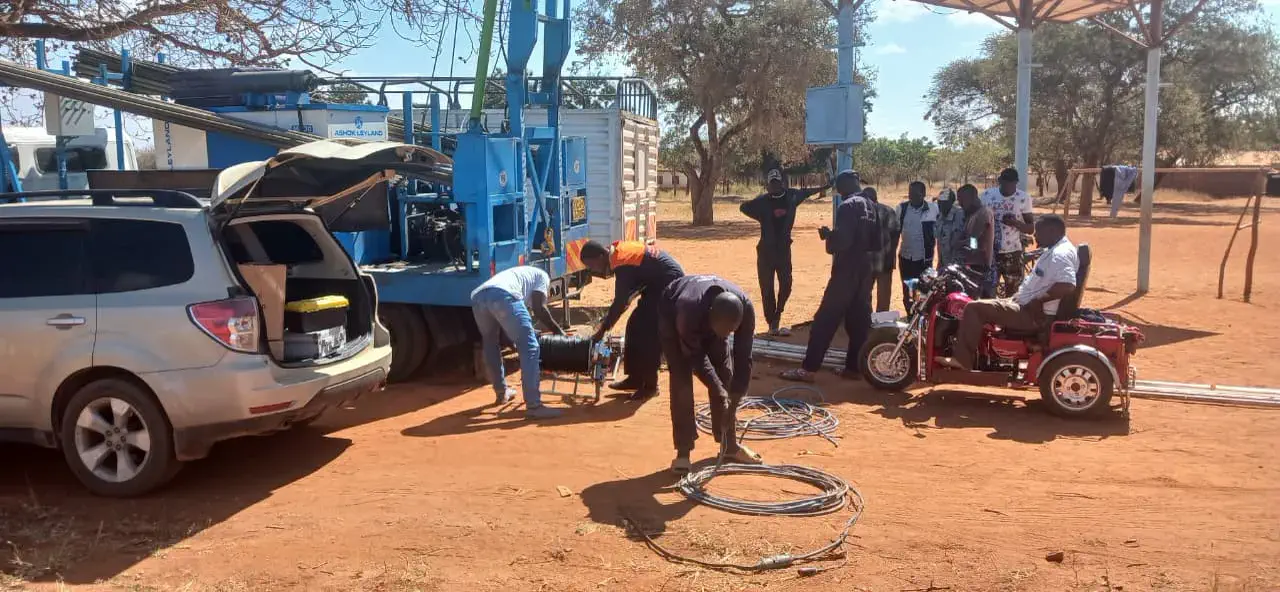
Why Borehole Rehabilitation Matters
Boreholes can lose performance over time, even when properly constructed and maintained. This is a common outcome of ordinary use, not usually a sign that the borehole has failed.
Over time, conditions beneath the ground can change. Mineral deposits can build up, sediment can accumulate, and components within the borehole can gradually become less efficient. These changes can reduce water yield or affect water quality. In some cases, similar symptoms may also be caused by problems with the pumping system, which is why assessment comes first.
Where the underlying cause is treatable, rehabilitation can restore a borehole’s performance without the cost of drilling a new one.
An underperforming borehole is not necessarily a failed borehole. Restoring the one you have protects the investment already made in it.
Is Borehole Rehabilitation Right for Your Borehole?
Not every underperforming borehole is a good candidate for rehabilitation. Whether it is depends on the borehole’s condition and the specific cause of the performance problem.
Assessment may include checking whether the water level recovers after the borehole has been left at rest for a period, together with other diagnostic findings, to determine whether rehabilitation is likely to help. This distinguishes problems that rehabilitation can resolve from those that call for a different solution.
Our recommendations follow from what the assessment finds, not from assumptions about the borehole’s condition. If rehabilitation is not the appropriate solution for your borehole, we will explain why and recommend the most suitable alternative.
What Happens During Borehole Rehabilitation?
Once you contact us, the process moves through the following stages.
-
Assessment
We review your borehole’s records, where available, and inspect its current condition.
-
Diagnosis
We identify the cause of reduced performance, including checking whether the water level recovers after a rest period, and determine whether the issue lies in the borehole, the pumping system, or both.
-
Method Selection
Based on the diagnosis, we determine the rehabilitation methods required for your borehole.
-
Rehabilitation Work
Our team carries out the required work on site.
-
Testing
We test the borehole to confirm that rehabilitation has improved its performance and that it is operating as expected.
-
Findings and Recommendations
We explain what the assessment and testing found, together with any recommendations.
-
Handover
We provide guidance on operating and caring for your borehole to help maintain reliable performance.
What Affects the Cost of Borehole Rehabilitation?
Every rehabilitation project differs, and the cost depends on the condition of your borehole and the work required to restore its performance. Factors that influence cost include:
-
Borehole Depth
Deeper boreholes generally require more time and specialised equipment to work on.
-
Nature of the Problem
Less extensive rehabilitation generally costs less than projects involving casing repair, screen replacement, or more extensive treatment.
-
Rehabilitation Methods Required
The combination of methods needed depends on what the diagnosis identifies.
-
Pump Condition
Where the pump also requires servicing or replacement, this affects the overall scope of work.
-
Site Access
Remote or difficult-to-reach sites can increase mobilisation time and costs.
-
Regulatory Approvals
Work that includes deepening or widening your borehole requires prior approval, which can affect both project cost and timeline.
Because these factors vary from one project to another, an accurate quotation can only be prepared after assessing your borehole.
-
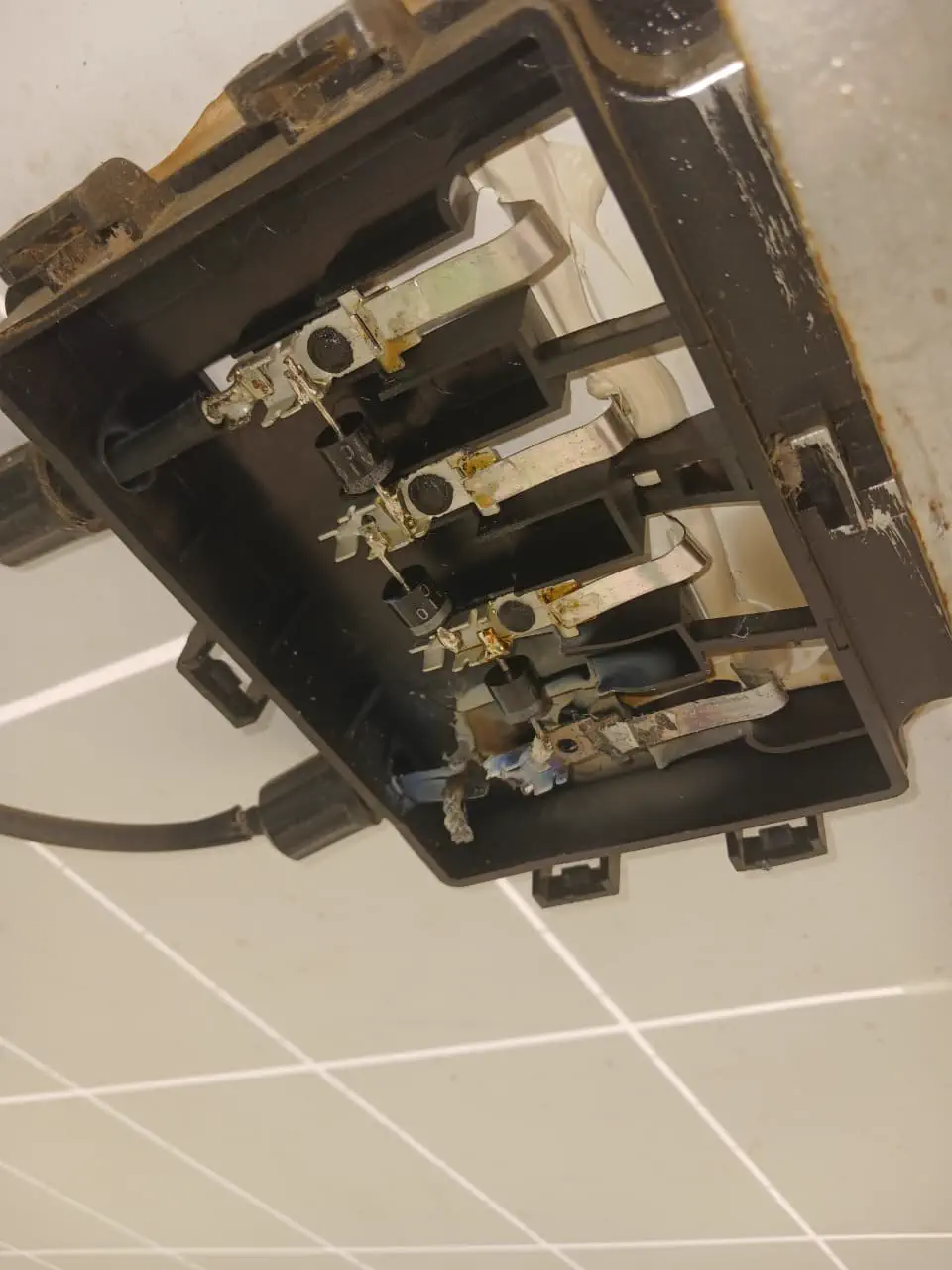 View larger image
Borehole Solar Assessment Rehabilitation -
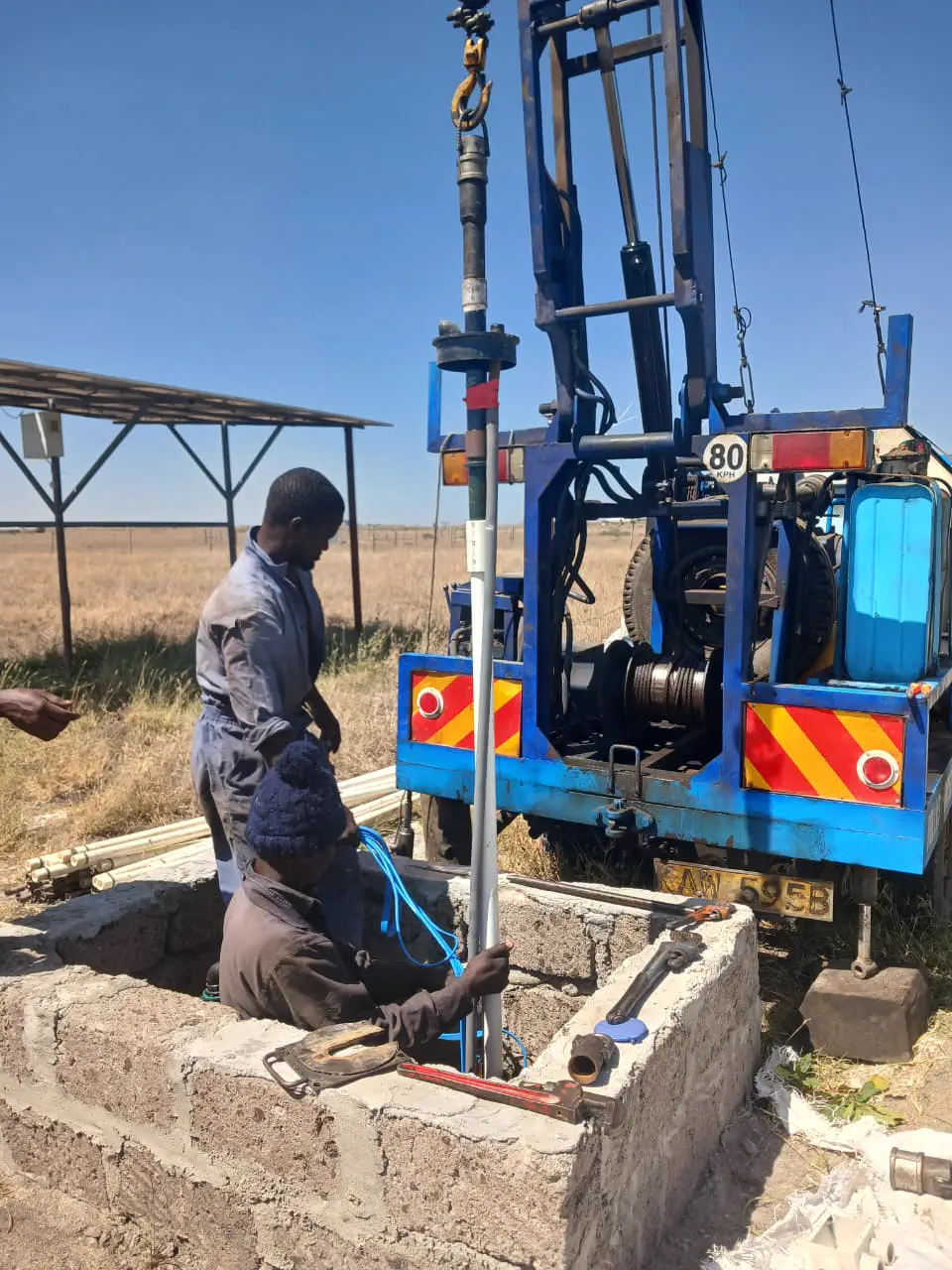 View larger image
Pump Lifting For Borehole Rehabilitation -
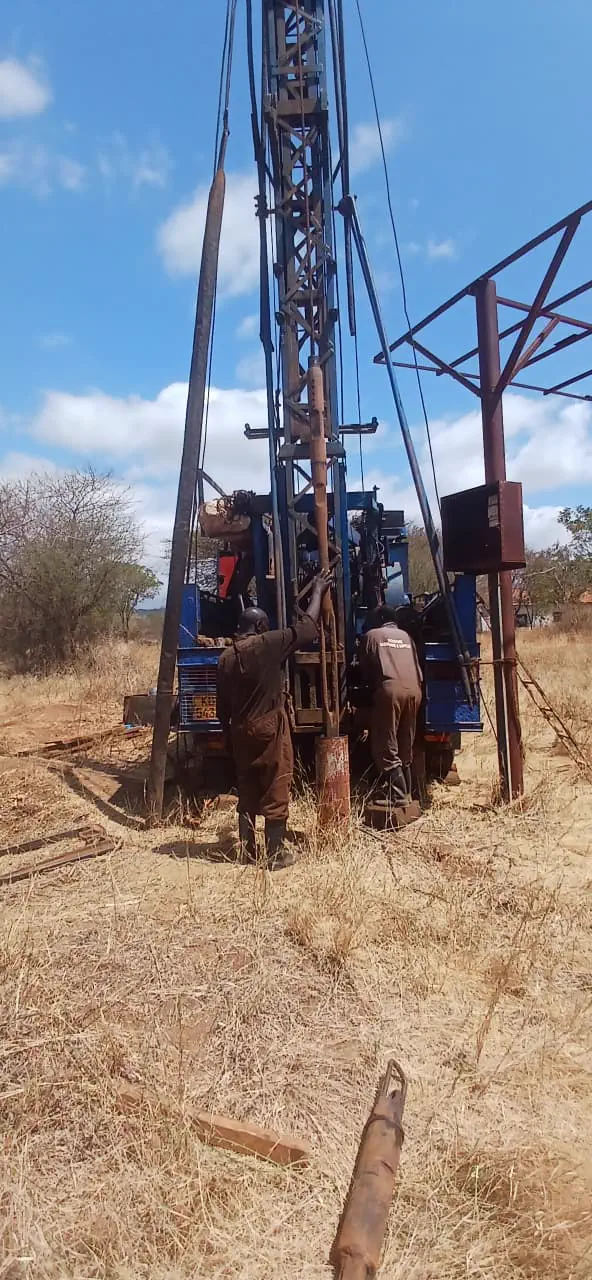 View larger image
Forceful Removal of Foreign Objects from an Abandoned Borehole at Ithamba Aume Primary School in Kibwezi -
 View larger image
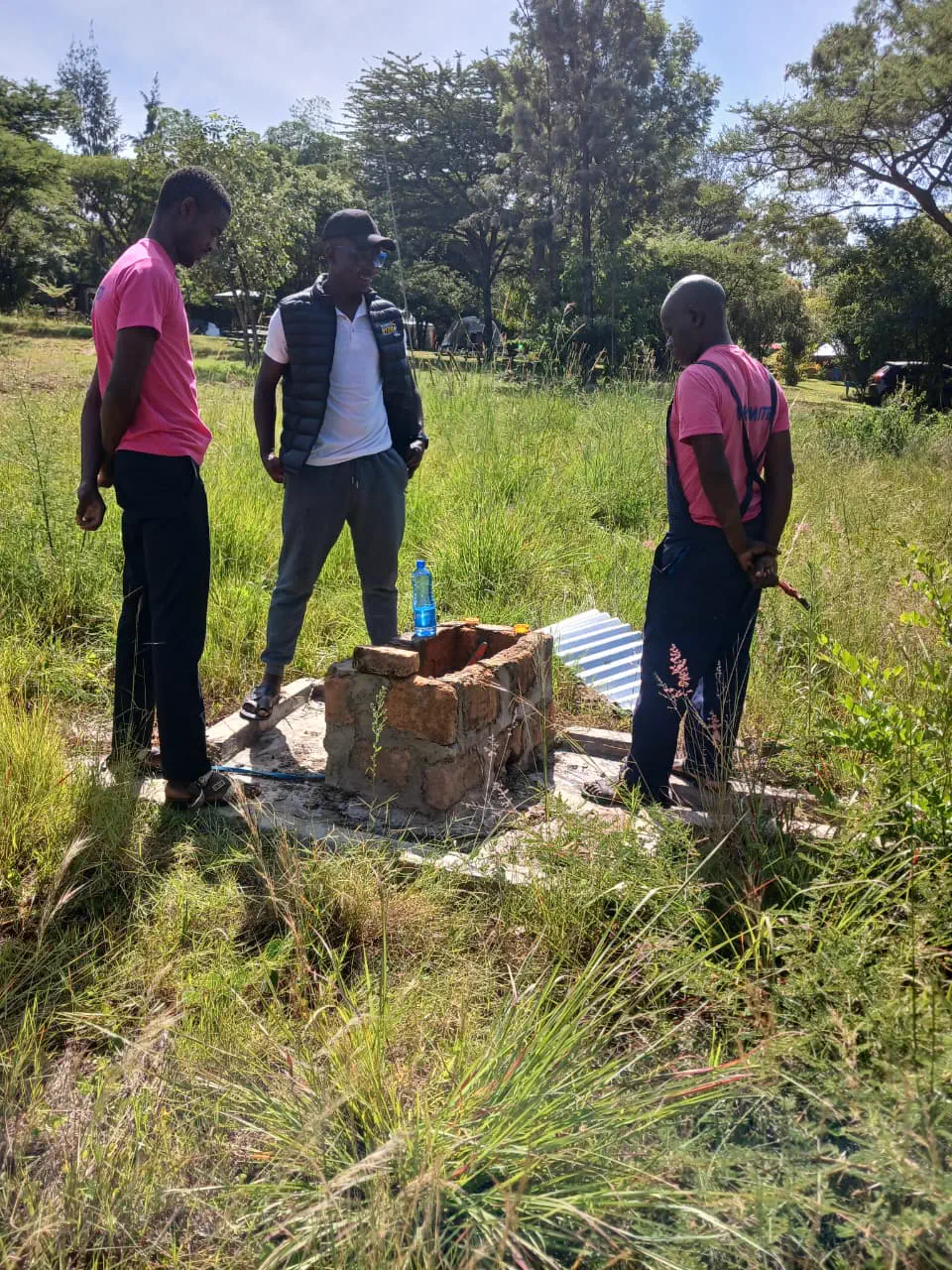
Consultation about water quality issues on an existing borehole in Sondu Area, Kisumu -
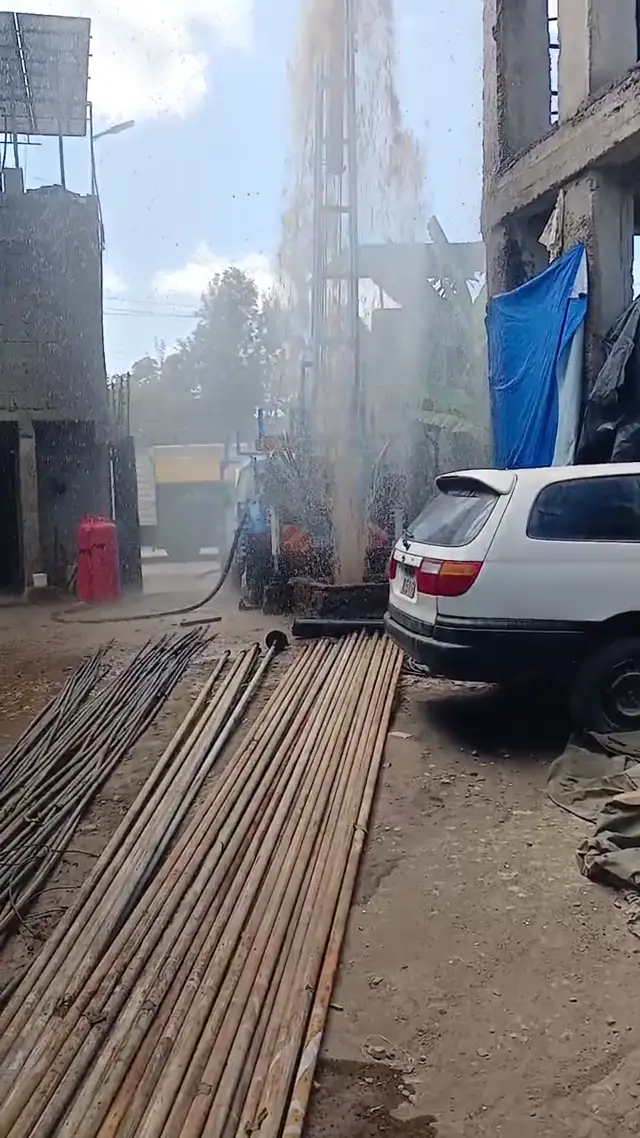 Play video: Borehole rehabilitation project in progress at Joska
01:01
Borehole rehabilitation project in progress at Joska
Frequently Asked Questions
Will rehabilitation restore my borehole's original performance?
In most cases, yes, where the underlying cause is treatable. The extent of improvement depends on what the assessment finds, and we will discuss the expected outcome before any work begins.
How do you know whether the problem is the borehole or the pump?
Diagnosis is part of the assessment. Because pump faults and borehole problems can produce similar symptoms, we identify which one, or both, is responsible before recommending a solution.
How long does borehole rehabilitation take?
This depends on the extent of the work required, including any rest period needed to assess water level recovery. We will provide a clear project timeline once the assessment is complete.
How long will the results last?
This depends on the cause of the problem, the rehabilitation work carried out, and how the borehole is used and maintained afterwards. We will provide guidance specific to your borehole during handover.
Ready to Restore Your Borehole’s Performance?
If your borehole is not performing as it should, the next step is a professional assessment. We will identify the cause of the problem and recommend the most appropriate solution, whether that is rehabilitation or another approach.