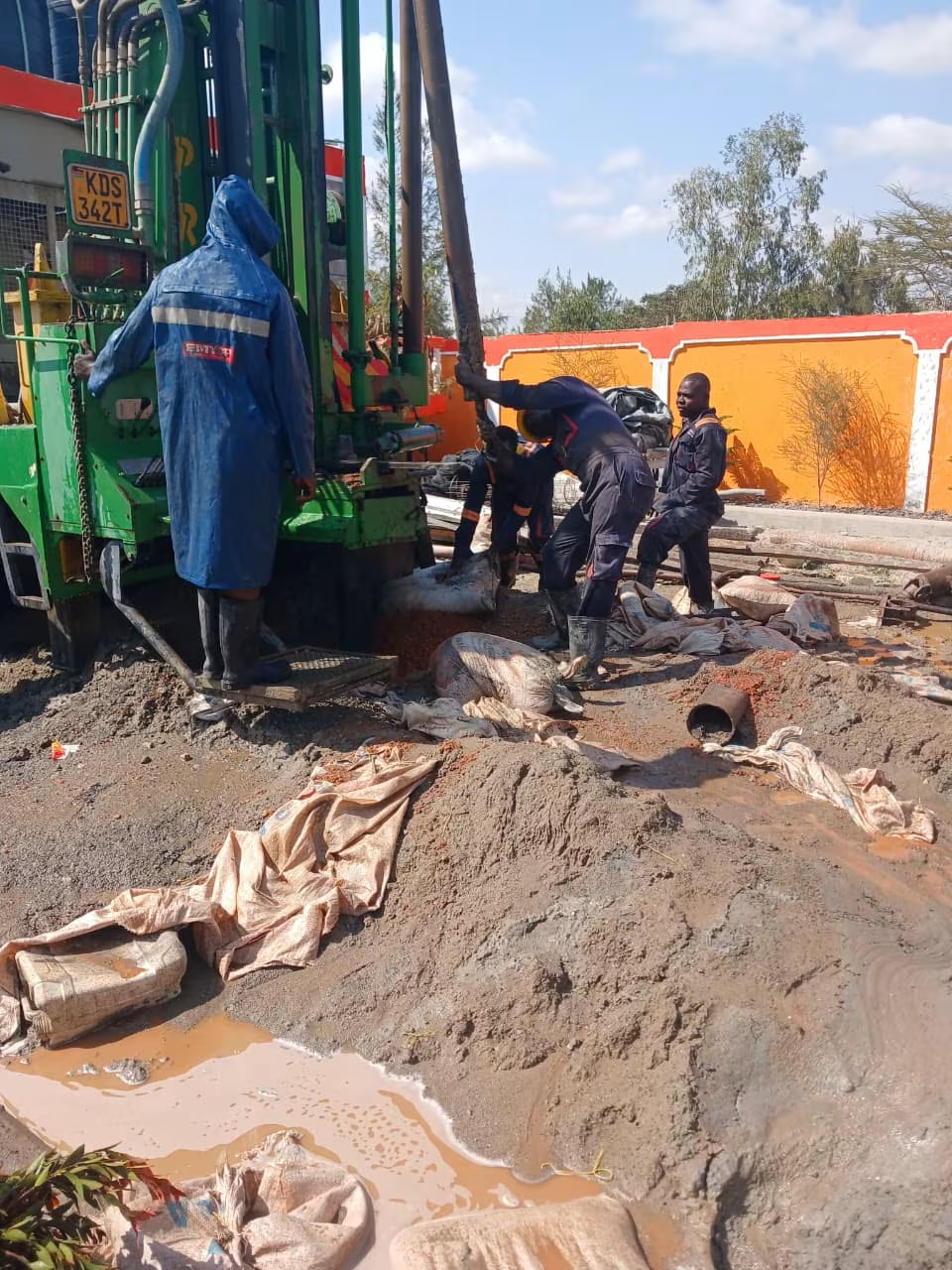
Private home borehole planning starts with the household’s water needs, not a preferred drilling depth. Families may want drinking water, laundry supply, garden irrigation or reserve water during interruptions. These uses need different evidence and decisions. Therefore, define the intended service before requesting a complete project price.
Masterpiece Hydro-Solutions offers borehole drilling. To discuss your home, request an assessment with your household brief. Include the location, existing supply, storage and available site records. Also, mention future extensions or changes in occupancy.
Begin private home borehole planning with uses
First, list the activities you hope the source will support. Separate essential domestic use from garden or other flexible demand. This helps the assessor understand priorities if the available source cannot support every intended activity. Avoid treating all household uses as equally time-sensitive.
Next, describe when demand occurs. A family may use more water before school and after work, while a gardener operates during daytime. These patterns affect storage and delivery discussions. However, timing alone does not establish the daily volume or source capacity.
Also, identify future needs without presenting them as current measured demand. A planned guest wing or larger household may justify a separate scenario. The proposal can then distinguish today’s requirement from a later expansion. This keeps assumptions visible rather than hiding them inside an oversized package.
Use household records before estimating
Existing meter readings, tank records and delivery receipts can help describe use. Gather a representative period rather than a single unusual day. Also, note changes in occupancy, irrigation or supply interruptions. A reading becomes more useful when the assessor understands what happened during that period.
If records do not exist, say so and ask how to build a practical demand brief. Do not adopt a universal household allowance as a site design. Actual use differs with occupancy, fixtures and habits. The assessor should explain any planning assumptions and their limits.
Next, distinguish consumption from leakage or overflow concerns. Tell the team about unexplained tank losses or visible plumbing problems. A new water source will not automatically solve those issues. Qualified inspection may need to address them alongside the broader supply plan.
Compare private home borehole planning choices
| Household priority | Information to provide | Decision to assess |
|---|---|---|
| Essential domestic supply | Occupancy and use records | Required volume and continuity plan |
| Garden watering | Current practice and seasonal changes | Flexible demand and source limitations |
| Drinking use | Intended outlets and available analysis | Suitable laboratory testing and next steps |
| Existing storage | Tank location and usable arrangement | Storage suitability and delivery method |
| Future extension | Proposed layout and occupancy | Later demand and access implications |
| Supply interruption cover | Essential uses and current alternatives | Assessed reserve and backup approach |
This table helps the family agree a common brief before comparing quotations. Different household priorities can lead to different system boundaries. Therefore, explain which result matters most. A contractor cannot assess a vague request for plenty of water as clearly as a defined supply need.
Assess the property before choosing a point
Prepare a simple layout showing buildings, entrances, known services and sanitation features. Add the proposed tank location and planned construction. Also, provide safe photographs of the route to the potential drilling area. An empty corner does not automatically establish suitability.
Next, discuss hydrogeological assessment and the information it can provide. The assessment informs groundwater planning but cannot guarantee water quantity or quality. Ask which uncertainties remain and how they affect the proposed work. Keep the actual report with the project file.
For this stage, see Masterpiece Hydro-Solutions hydrogeological surveys. Explain the intended household use and available site information. Do not choose a position only to minimise pipe length or keep construction away from a favourite part of the garden.
Make access and family routines part of the scope
A private home remains an occupied property during many projects. Therefore, discuss how the contractor proposes to manage the work area and household movement. Identify the main entrance, essential routes and normal parking. Also, tell the team about visitors or workers who use the property.
Keep children, pets and unauthorised people away from the work area under the agreed arrangements. Do not assume that a family member can safely watch from any nearby position. The contractor should explain the site controls for the actual operation. Household convenience cannot replace those requirements.
Next, ask about temporary disruption and reinstatement. Record the initial condition of relevant surfaces with dated photographs. However, agree responsibilities in the accepted scope. Private home borehole planning should make these expectations visible before equipment arrives, rather than leave them to a later disagreement.
A scenario with essential use and a large garden
Imagine a family wants a borehole for domestic supply and garden watering. The owner initially asks for one pump that can handle everything. However, the demand records show different priorities and timing. The source evidence will also need to establish what production the borehole can support.
First, the family identifies essential domestic use separately from flexible irrigation. Next, the assessment considers available source data, storage and delivery requirements. If the evidence cannot support the original combined demand, the family can review priorities. A larger pump alone cannot create more sustainable groundwater.
The example does not recommend a particular volume, pump or irrigation routine. Instead, it shows how a clear brief supports an informed decision. The family can compare assessed options without confusing preferred demand, source yield and installed pump capacity. Those are three different quantities.
Keep water quality in the household decision
Clear water does not necessarily suit drinking or every household purpose. Therefore, ask which laboratory analysis fits your intended use. Also, confirm who arranges sampling and how the findings inform the next step. Do not infer safety from appearance, taste or a neighbour’s experience.
If the findings require further evaluation, request an appropriate assessment before selecting treatment. A general filter package may not address the actual issue. Qualified personnel should explain the relevant options and scope. Avoid do-it-yourself chemical treatment instructions or assumed doses.
Private home borehole planning should also distinguish storage from treatment. A tank can hold water for later use, but it does not establish drinking suitability. Ask how the complete proposed arrangement addresses the intended use. Keep the laboratory records available for later review.
Plan equipment after the source evidence
Drilling depth, pumping water level and pump setting describe different things. Pump selection also needs the required flow and total dynamic head. Therefore, avoid choosing equipment solely from a depth mentioned in an early estimate. Ask the designer to explain the actual duty and assumptions.
The Grundfos pump selection learning resource explains the relationship between required flow, head and the duty point. Use that principle to ask informed questions. It does not make a particular model suitable for your property or imply a supplier partnership.
Also, compare power and storage options through the household’s operating needs. Solar output varies through the day and season. More panels cannot fix inadequate sustainable source yield. Ask for the complete assessed arrangement rather than a panel count or pump size offered in isolation.
Understand approvals and the full cost boundary
The WRA permitting guidance describes an application, authorisation for construction and a subsequent water permit. Ask WRA for the current requirements applying to your home. Do not assume that private domestic use automatically removes every approval question.
Next, separate survey, drilling, construction materials, testing and later equipment in the proposal. Storage and household distribution may create further scope. Ask whether VAT is included and identify provisional items. A single drilling figure should not become an assumed price for every connected component.
Finally, discuss payment milestones and unsuccessful outcomes before acceptance. Actual responsibilities depend on the contract and circumstances. Ask which records support each stage and who approves changes. Seek appropriate advice if important obligations remain unclear after the supplier explains them.
Keep a household borehole project folder
- Record current occupancy, intended uses and future changes.
- Keep meter, tank or other useful demand records.
- Save the site layout and current access photographs.
- Attach the survey and relevant project documents.
- Retain the accepted scope and approved changes.
- Keep construction, testing and water-quality records together.
- Save the equipment assessment and commissioning information when available.
- Identify the household contact for later inspection or maintenance enquiries.
Also, explain the folder’s location to another responsible household member. The water system should not depend on one person’s memory of an installation conversation. Reliable records support later assessment and future ownership changes. However, they do not remove the need for current inspection when conditions change.
Questions about private home borehole planning
Will a household borehole guarantee independence?
No source guarantees every desired supply condition. Yield, quality, equipment, power and storage all affect the arrangement. Define your essential needs and ask what the available evidence can support. Also, discuss remaining limitations instead of assuming a new borehole eliminates every interruption.
Can I use my neighbour’s drilling depth?
A neighbour’s records may provide background, but they do not establish your site’s final design or result. Ask for the appropriate assessment of your property. Do not treat another borehole’s depth or yield as a promise. Your construction and equipment decisions need relevant evidence.
Should the garden determine the pump size?
The assessment should consider intended demand alongside source capacity and delivery requirements. Garden use may form one part of that brief. However, a larger pump cannot compensate for inadequate sustainable yield. Separate essential household needs from flexible demand before comparing options.
Does drilling include a working household supply?
Only the accepted scope can answer that question. Pumping equipment, power, storage and distribution may require separate assessment and work. Ask the supplier to identify every boundary. Also, confirm which testing and handover records form part of the drilling stage.
What should I do first?
Gather the location, layout, demand information and available project records. Then request an assessment that explains the next decisions. Private home borehole planning works best when the family agrees its priorities early. Avoid selecting equipment or a drilling depth before the relevant evidence exists.
Request a household supply assessment
Good private home borehole planning links family needs with site, source and delivery evidence. It also keeps drinking suitability and commercial scope visible. Start with a clear brief, then review the proposed stages in order. This supports a more useful conversation than requesting a depth-based package.
Send Masterpiece Hydro-Solutions your private-home enquiry. Include your intended uses, existing storage and available layout. Request an itemised assessment that identifies the next step, scope assumptions and information still needed.