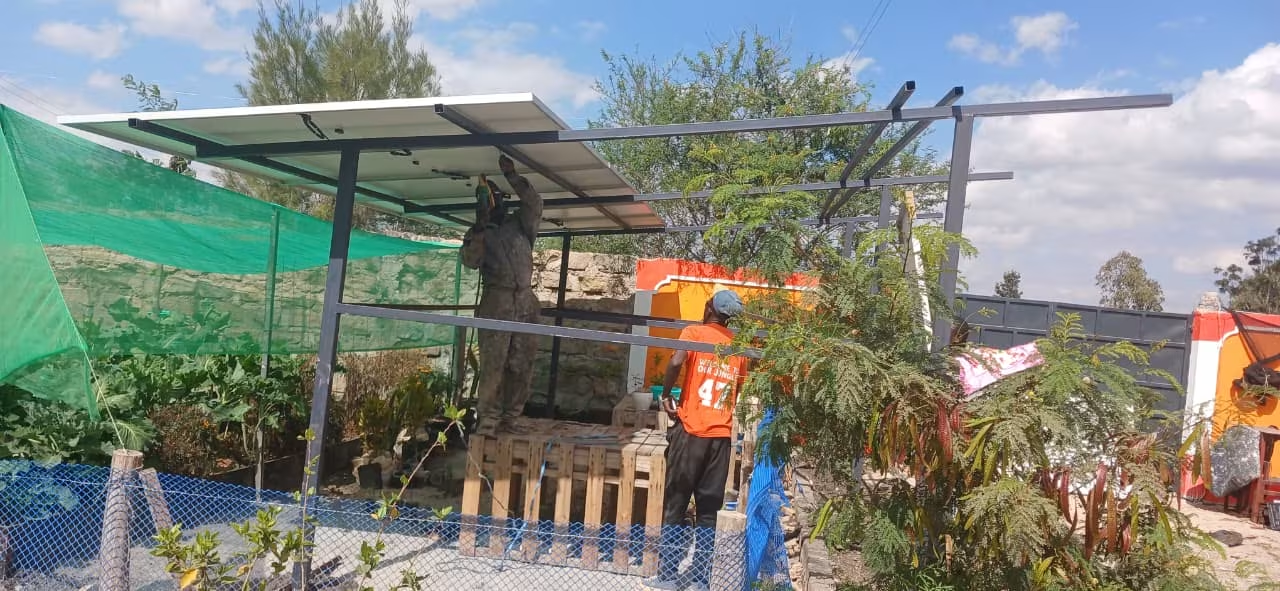
A solar mounting readiness handoff should identify what the next contractor can rely on when mounting work remains incomplete. A structure standing on site does not by itself establish readiness for equipment installation. First, clarify each contractor’s accepted scope. Then ask the responsible qualified people what evidence allows the next professional stage to proceed.
Explore Masterpiece Hydro-Solutions borehole solarisation services and enquire about a defined mounting-interface assessment. Confirm the service available for your project. Share the mounting contract, pumping proposal and current site status rather than assume the solar installer accepts every unfinished interface.
Identify the next stage rather than a vague ready status
Ask what the proposed next activity actually involves. Equipment delivery, qualified assessment and installation are different commitments. A site may be ready for one activity without establishing the conditions required for another.
Next, identify which contractor owns the mounting work and which accepts the pumping equipment scope. The owner needs an explicit handoff between them. A date in the programme does not answer who confirms suitability or how incomplete work affects the installation proposal.
Also, separate physical completion from the records promised under the contract. The responsible professional should explain what evidence the next team needs. Do not invent a universal certificate or assume a general completion statement establishes every technical requirement.
Define the solar mounting readiness handoff question
Write a focused question for each unresolved interface. It might concern the agreed structure, installation access or an item outside one contractor’s scope. The provider should explain the issue in terms the owner can review without directing structural or electrical work.
Canadian Solar’s module manual addresses installation and supporting-structure requirements for its products. Ask qualified personnel to use the documentation relevant to the actual equipment and project. This example does not establish that another structure or module arrangement is suitable.
A solar mounting readiness handoff should therefore state who evaluates the actual interface. The owner can coordinate the question and records, but should not convert a photograph or verbal assurance into a technical approval.
Compare the two current scopes
Place the mounting provider’s accepted description beside the solar installer’s proposal. Also, include approved revisions. Check whether either document assumes another party supplies a required item or completes a relevant assessment.
Next, identify work that neither party expressly owns. The project needs a defined decision about that gap before the next stage relies on it. A supplier’s general service list does not automatically expand its actual contract.
Also, identify any overlap. Two offers may include the same interface under different descriptions. Ask the providers to reconcile their commitments before the owner pays for duplicated activity or assumes that an unclear item is complete.
Use readiness statements that have evidence behind them
The table below helps distinguish several possible statements. It does not provide mounting, loading or connection instructions. The actual project professionals must determine appropriate requirements and explain the evidence.
| Readiness statement | Question for the responsible party | What the owner should record |
|---|---|---|
| Mounting work has reached a stage | Which agreed activities are complete? | Defined scope and open items |
| Equipment can be delivered | What access and custody arrangements apply? | Accepted delivery and receipt boundaries |
| Installation can proceed | Who confirms the relevant technical interfaces? | Qualified findings and limitations |
| Another contractor must finish an item | What exactly is needed before the next activity? | Named action, owner and dependency |
| A visit needs rescheduling | Which assumption changed under the proposal? | Written programme and commercial clarification |
Next, use a clear record for each statement instead of one broad ready label. That helps contractors understand what they can actually rely on.
Keep delivery separate from installation acceptance
Ask who receives equipment if it arrives before mounting work is complete. Identity, quantity and custody need their own record. Delivery does not establish that the later installation is suitable or that commissioning has occurred.
Next, ask the actual supplier and qualified provider what requirements apply during the gap. The owner should not improvise handling or storage from a general article. Product-specific documentation and professional planning should guide the relevant arrangements.
A solar mounting readiness handoff needs an explicit status for equipment held on site. If the work date changes, record who communicates with the supplier and who reviews any revised commitment. Do not treat receipt as proof that every contractor has accepted the same risk or responsibility.
Consider a structure described as almost finished
Consider an educational scenario where the mounting provider says its work is almost finished while the solar installer has a proposed attendance date. No actual structure, delay or technical finding is implied.
First, the owner asks the mounting provider to identify completed work and open items. Next, the solar installer states what its next activity requires from the interface. The responsible qualified people review the gap and explain which stage can proceed, which must wait and what evidence is still needed.
This scenario shows why a solar mounting readiness handoff should focus on the next decision. A broad progress description does not establish readiness for every task. Clear interfaces help the owner coordinate actual commitments without directing specialist methods.
Clarify repeat-visit and movement assumptions
Ask what the current installation quotation assumes about site readiness and attendance. If conditions differ, request the provider’s actual written position. This guide does not invent a repeat-visit fee, waiting charge or automatic entitlement.
Next, identify which activities remain useful if a full installation cannot proceed. A professional assessment may still have a defined purpose, while another proposed journey may need reconsideration. The provider should explain the scope rather than assume every visit has the same output.
Also, retain the reason for a changed programme. The owner needs to understand which dependency moved and which commercial decision followed. A revised date alone leaves the underlying interface question unresolved.
Keep professional roles visible
Ask each provider to identify the people responsible for its actual work and relevant evidence. For solar practitioner information, consult EPRA’s renewable-energy resources and verify appropriate current credentials directly with the authority. Do not infer a particular status from a service label.
Next, distinguish assessment from owner approval of the commercial scope. Qualified personnel must determine technical suitability. The owner can authorise a defined proposal without selecting foundations, fixing methods, electrical arrangements or structural dimensions itself.
A solar mounting readiness handoff should preserve that division. The project needs the professional recommendation, its limits and the owner’s decision recorded together. An instruction to keep the programme moving should not replace the missing technical evidence.
Protect the water-service brief from silent changes
If the mounting issue leads to a different proposed array area or arrangement, ask whether the pumping proposal needs review. A scope change can affect more than the unfinished item. The provider should explain relevant consequences for the accepted project.
Next, retain the original water-service requirement and any revised operating assumption. Source yield, pump capacity and user demand remain distinct. Moving or changing equipment cannot establish groundwater availability merely because the project still wants the same daily volume.
Also, identify any remaining storage or backup interface. A delayed mounting stage should not cause another necessary responsibility to disappear from the final package. The owner needs one understandable picture of the agreed operating arrangement.
Close the solar mounting readiness handoff clearly
Before the next stage proceeds, identify which open items the responsible providers have resolved and what evidence supports that status. Retain the current scope and programme conditions. A project record should explain the handoff, not only state that work restarted.
Next, connect mounting-related records with the eventual equipment and commissioning file. The final installer should identify actual equipment, approved changes and relevant limitations. Owners should not conduct electrical or pressure tests to confirm completion.
A solar mounting readiness handoff ends usefully when the next contractor understands the accepted interface and remaining boundaries. That is different from promising every later operating outcome. The final water-service demonstration still needs its own recorded conditions and evidence.
Questions about unfinished mounting work
Does a standing structure mean the installer can start?
Ask the responsible qualified people to identify the requirements of the proposed next activity. Physical progress alone does not answer every technical interface question. The owner should receive a clear finding and scope status rather than infer readiness from appearance.
Can equipment arrive before the mounting work finishes?
Confirm the actual delivery, custody and product requirements with the relevant parties. Do not assume the installation quotation includes that interim arrangement. The project should identify who receives the equipment and what the next stage still depends on.
Who pays if another visit becomes necessary?
Review the actual terms and event records with the providers. This guide does not decide a payment entitlement or invent a standard charge. Ask for a written explanation of the changed assumption and proposed commercial adjustment.
Should the owner finish a small technical item?
Leave structural, electrical and other specialist work to qualified personnel within an assessed scope. The owner can coordinate access and decisions. An apparently small gap still needs the relevant professional to explain what it involves and who accepts it.
What should the handoff record contain?
Identify completed scope, open items, responsible people and the evidence needed for the next stage. Also, retain revised programme and commercial clarifications. The receiving contractor should understand the actual interface rather than rely on an informal statement that everything is ready.
Enquire with both contractors’ scope records
Gather the mounting agreement, pumping proposal and current site information. Then enquire about a readiness-interface assessment with Masterpiece Hydro-Solutions. Confirm the available service. Ask for clear responsibilities, documented conditions and a reviewable next-stage decision before releasing equipment or work on an assumed-ready basis.