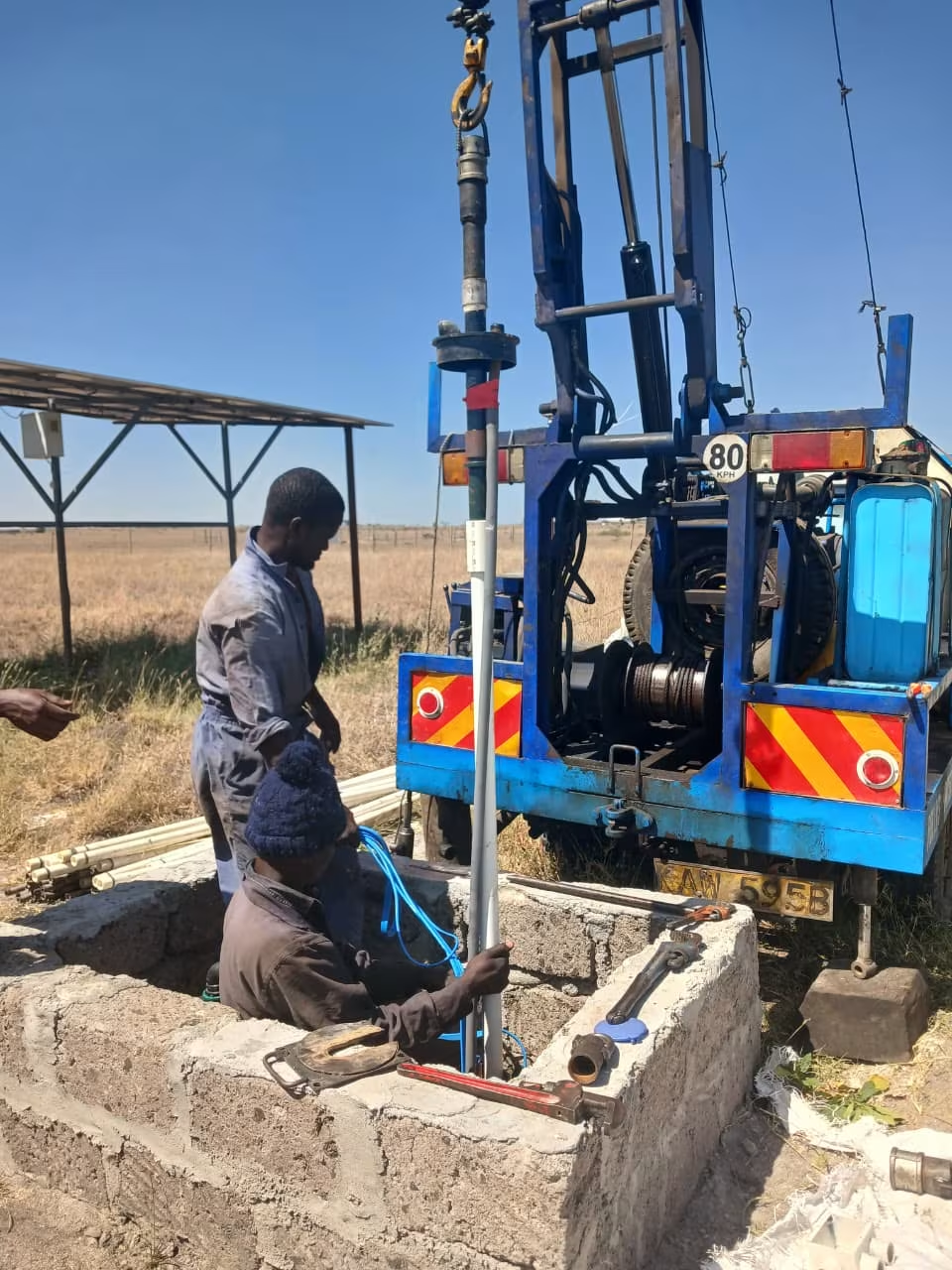
Borehole CCTV survey preparation means organising useful information, access and responsibilities before the inspection team arrives. It does not mean removing pumping equipment or treating the borehole yourself. First, explain the inspection question. Then ask the qualified provider to confirm the professional work and site arrangements needed for the visit.
Explore Masterpiece Hydro-Solutions borehole inspection services and request an assessed CCTV visit scope. Send your location, available records and observed symptoms. Ask what the owner should organise and which technical preparations need a separate qualified contractor or an explicit part of the inspection proposal.
Decide what you want the visit to establish
Write the question in ordinary language. You may need to understand an internal condition, investigate a changed water service or document the installation before another decision. Also, tell the provider what outcome you expect to use. This helps it explain whether camera evidence suits the purpose.
Next, identify questions that require different evidence. Sustainable yield, drinking-water quality and specialist structural conclusions do not follow automatically from visible footage. Ask the provider to explain those boundaries before scheduling the visit. A clear purpose prevents an inspection from becoming an undefined promise.
Also, state any real decision deadline. The provider can explain the likely assessment sequence and information dependencies without guaranteeing a response period. If a committee or another contractor needs the findings, clarify the required report format as well as the visit itself.
Start borehole CCTV survey preparation with records
Gather the available construction record, earlier inspection reports and relevant equipment information. Also, include service history where you hold it. These documents help the provider understand what may be installed and which questions deserve attention. Missing records should remain a known limitation.
Next, organise the material by date and source. An earlier owner’s note is different from an issued professional report. Do not rewrite uncertain information as fact to make the pack appear complete. The inspection team needs an honest account of what you know.
Borehole CCTV survey preparation should make the existing installation understandable before the visit. If the provider needs a model reference or other detail you cannot safely access, say so. Qualified personnel should confirm it through an appropriate scope rather than ask the owner to open electrical equipment.
Prepare a factual symptom summary
Describe what changed, when it changed and how it affects users. For example, the tank may take longer to fill or water appearance may vary. Also, identify any visible indications reported by the operator. These observations help frame the assessment without diagnosing the cause.
Next, mention recent work or changes to demand. A replaced pump, altered route or new water use may affect interpretation. The provider should understand the context before connecting a symptom with a camera finding. Do not assume that the most recent change caused the problem.
Also, distinguish direct measurements from estimates. If a delivery figure comes from a timed observation, state the basis you hold. If it comes from recollection, label that uncertainty. The inspection report can then explain how the symptom history influenced its recommendations.
Clarify installed-equipment responsibilities
Tell the provider what you know about the pump, cable and rising main. Ask whether the proposed observation needs professional access work and who would perform it. Do not assume every CCTV quotation includes retrieval and reinstallation of the existing pumping arrangement.
Next, identify the current operator or service contractor. The inspection provider should explain how coordination will work if another party manages equipment. The owner needs clear responsibility for readiness, technical operations and return to normal service.
Borehole CCTV survey preparation must keep technical tasks with qualified personnel. Do not lower objects, attempt retrieval, alter connections or add chemicals to make the borehole appear ready. Ask the provider to assess any required preparation and define it in the agreed work.
Use a borehole CCTV survey preparation checklist
The following checklist covers information and coordination the owner can arrange. It does not provide a technical method for opening, clearing or inspecting a borehole. The provider must determine the appropriate professional requirements.
| Owner preparation | What to organise | Professional question to resolve |
|---|---|---|
| Site identity | Location and a clear borehole reference | Does the proposed visit address the correct asset? |
| Records | Available reports and equipment history | Which unknowns affect the scope? |
| Access | Entry contact and honest site description | What readiness must the provider assess? |
| Installed equipment | Known configuration and operator details | Who performs any required technical access work? |
| Water continuity | Essential demand and available reserve | What interruption assumptions apply? |
| Handover | Recipient and intended use of the evidence | Which files and explanation are included? |
Next, mark unanswered items and send them to the provider before the visit. A clear question is more useful than an owner guessing what the team will require.
Agree site access and decision contacts
Identify the person who can arrange entry and guide the team to the correct borehole. Also, explain shared access or other work taking place. The provider should assess practical requirements, while the owner coordinates the permissions and contacts it actually controls.
Next, name the person who may approve a revised commercial scope. The inspection team may encounter a condition that limits the planned work. A clear contact route helps the owner consider the finding without treating every site conversation as approval for additional commitments.
Also, agree how the provider will communicate an incomplete visit. Ask which evidence it will supply if the inspection cannot reach its intended scope. The owner should understand the completed work and next options, rather than assume that attendance guarantees a complete view.
Understand visibility as a planning uncertainty
A camera needs usable visual conditions to support observation. The US Environmental Protection Agency’s borehole-video overview explains how limited visibility can affect observations. This general limitation helps explain why the provider should assess readiness rather than promise complete footage before the visit. Ask the team to report its actual coverage.
Ask the provider how it will assess and report such constraints. Do not attempt to improve visibility through unassessed pumping or treatment. The qualified team must decide whether additional professional work or a different visit sequence is appropriate.
Borehole CCTV survey preparation should therefore include a discussion of uncertainty. If the provider cannot predict conditions, ask which assumptions remain in the quotation and how the parties handle a revised scope. Honest limits are preferable to an unexplained promise of a complete recording.
Plan essential water use during the visit
Tell the provider whether the borehole is the site’s only source. Also, describe essential uses and usable reserve storage. Depending on the assessed scope, inspection-related work may affect normal operation. The owner needs realistic continuity planning rather than an assumed uninterrupted supply.
Next, ask about the expected work sequence and relevant uncertainties. Do not treat an initial scheduling estimate as a guaranteed restoration time. If temporary water arrangements are necessary, clarify who will organise them. A CCTV quotation does not automatically include emergency supply.
Also, inform occupants or site staff through your normal management process where appropriate. The provider should identify the operational information it needs, while the owner remains responsible for its internal coordination. Clear responsibilities help avoid last-minute confusion about access or water availability.
Consider a multi-contractor visit scenario
Consider an educational example where one company maintains the pump and another will conduct the camera survey. No actual site or service commitment is implied. The owner must coordinate the professional interfaces rather than assume the camera team includes every required operation.
First, the owner sends the known configuration and operator contacts to the inspection provider. Next, the parties define who assesses readiness, handles technical work and confirms the installation’s status afterwards. The commercial scope identifies each responsibility before the visit.
This scenario shows why borehole CCTV survey preparation involves coordination as well as documents. The owner can make the visit more useful by clarifying roles. It should not fill a gap between contractors by attempting specialist work itself.
Complete borehole CCTV survey preparation with a handover plan
Agree which recording, still images and written findings the provider will supply. Also, identify the person who will receive the explanation. A useful visit should leave evidence connected to the actual borehole and inspection question, with coverage limitations clearly stated.
Next, discuss how recommendations will enter the next decision. The report may identify a need for performance testing, quality analysis or further condition assessment. Those are separate scopes. The provider should explain their purpose rather than imply the camera answers every question.
If the project relates to completion or authority records, consult the Water Resources Authority’s permitting guidance and confirm current site-specific requirements. Ask which information is relevant. A planned camera visit does not automatically replace another required record or permission step.
Questions before a CCTV inspection visit
Should I remove the pump before the team arrives?
Do not attempt retrieval yourself. Tell the provider what equipment is installed and ask it to assess the professional access requirements. The agreed scope should identify who performs any necessary work and how the parties coordinate it. Attendance by a camera team does not automatically include every associated operation.
Can I clean the borehole to improve the video?
Do not undertake unassessed treatment or cleaning to prepare for inspection. The provider should decide the appropriate professional sequence. Also, share any work already completed so the assessor can interpret the observations. The visit needs an accurate condition history, rather than a changed installation with missing context.
What if I do not have construction records?
Say so and share the information you actually hold. Ask which unknowns affect the scope and what the provider can confirm professionally. Do not invent dimensions or depths. A transparent information gap helps the team plan and report the work more accurately than a confident guess.
Does good preparation guarantee a complete inspection?
No. Actual access and visual conditions can still limit the result. Ask the provider how it will record completed coverage, restrictions and next options. Good preparation improves coordination and information quality. It cannot remove every uncertainty within the borehole before qualified personnel assess it.
What should I have ready for the final discussion?
Keep the original inspection question and available records accessible. Ask what the team observed, what it could not assess and which next step the evidence supports. Also, confirm when and how the agreed files will arrive. The handover should leave a clear decision record.
Request a visit with clear preparation responsibilities
Organise your records, symptom summary and site contacts. Then request a CCTV inspection assessment from Masterpiece Hydro-Solutions. Ask for explicit owner and contractor responsibilities, continuity assumptions and useful deliverables. Those details prepare the project for a professional visit without turning the owner into the inspection operator.