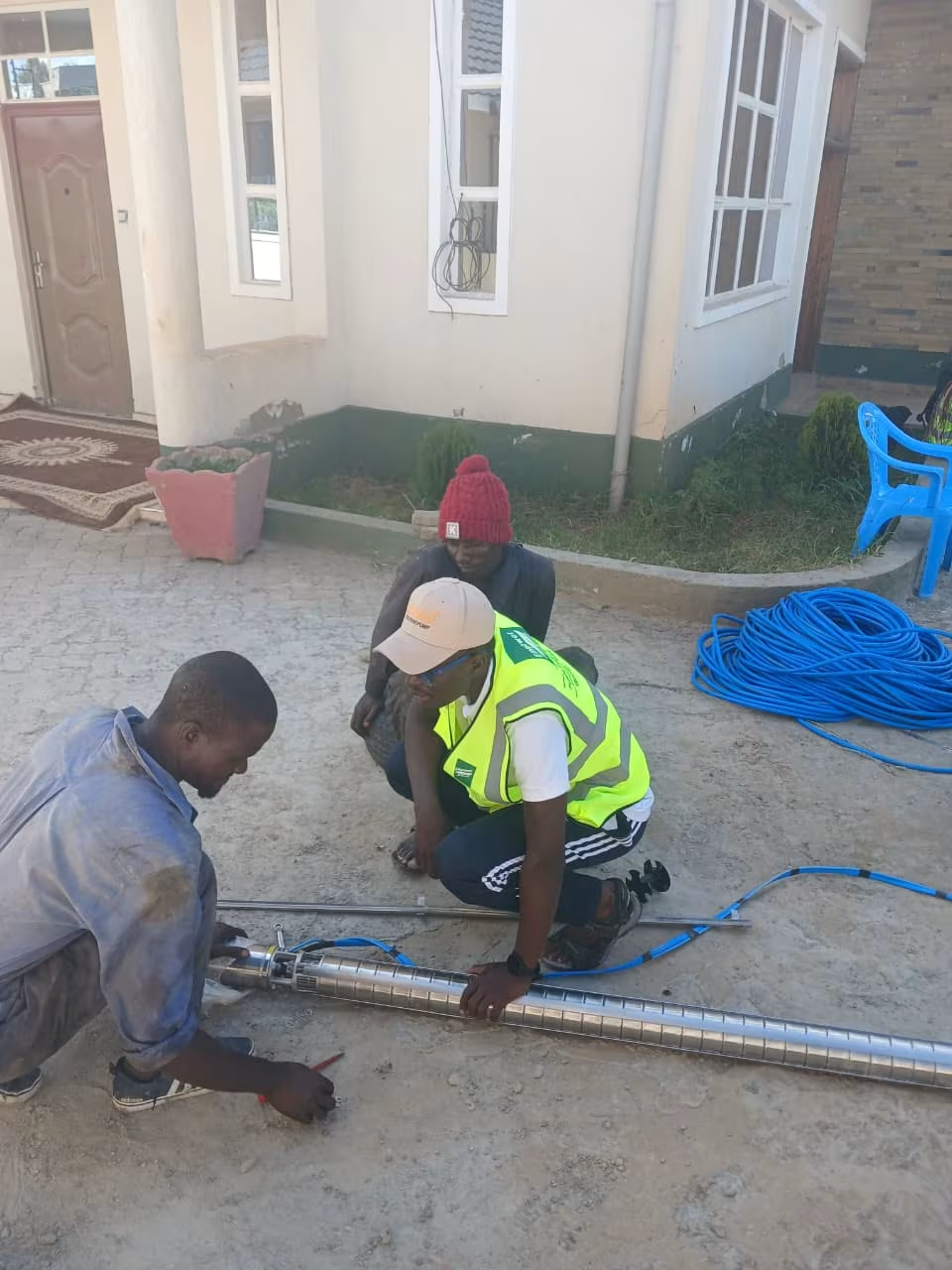
Borehole control panel installation needs a written operating brief before the owner compares equipment boxes. The panel must suit the actual motor, power arrangement and water-service functions. First, identify those requirements. Then ask qualified personnel to propose, install and verify a compatible arrangement with clear responsibilities for normal operation.
Explore Masterpiece Hydro-Solutions borehole equipping services and request an assessed control-panel scope. Provide the equipment records and explain how the site should receive water. Ask the supplier to describe the functions and interfaces it includes rather than quote from motor power alone.
Write the operating story first
Describe when the pump should operate and what normally ends a pumping period. For example, the system may serve a storage tank rather than supply every outlet directly. Also, explain whether an operator attends the site. The controls need to support the actual operating arrangement.
Next, identify what the owner needs to see. Normal operation, a protective stop and an unresolved fault should have understandable meanings. Ask the contractor how the proposed arrangement communicates these states. A panel with several indicators is not necessarily informative if nobody explains them.
Also, state any future changes without treating them as current commitments. A proposed additional tank or different power source may require a separate review. The practitioner should identify which functions the present scope supports and which remain outside the agreed installation.
Base borehole control panel installation on equipment records
Gather the pump, motor and existing controller model information. Also, provide available installation drawings and service records. If details remain unknown, ask the practitioner to confirm them during assessment. A broad equipment description should not become a substitute for identifying the installed system.
Next, describe retained components and recent changes. The proposal should explain which existing items remain in service and who will assess their suitability. A new panel cannot automatically make an unsuitable motor, cable or sensor arrangement compatible.
Borehole control panel installation should result in a documented match between the proposed functions and actual equipment. Ask for the relevant manufacturer information and clear model references. If the supplier later proposes an alternative, require an explanation of suitability and any effect on the scope.
Connect control requirements to the water duty
The controls serve a pump with a required flow and head. The Grundfos resource on pump selection explains why those requirements matter together. Ask the practitioner to connect the operating brief to the assessed pump duty rather than promise more water from a panel alone.
Also, distinguish source production from installed pump capacity. Controls can manage an assessed operating arrangement, but they cannot increase aquifer yield. Share test-pumping information and any recurring supply issue. The practitioner should identify whether the project needs additional source or hydraulic assessment.
Next, describe the delivery destination accurately. Moving to a higher tank or extending the route can change the duty. A panel proposal should not conceal a changed hydraulic requirement. Ask how the contractor will address that dependency before finalising equipment or commissioning promises.
Clarify power sources and switching responsibilities
Tell the practitioner which power sources exist and which the project proposes to use. Also, describe the intended role of any backup. A control package needs an assessed source-management arrangement. The owner should not assume that a switch label establishes safe compatibility between supplies.
Qualified personnel must design and perform electrical work. Ask who accepts responsibility for the interface between the incoming supply, panel and pump. Also, identify any work another contractor must complete. An unclear interface can leave a technically significant task outside everyone’s scope.
If solar work forms part of the project, consult EPRA’s renewable-energy information and verify appropriate current practitioner credentials with the authority. Do not assume a supplier holds a particular credential. Ask the provider to identify the people and responsibilities relevant to the proposed work.
Compare borehole control panel installation functions
Use the table below to distinguish functional commitments from a generic equipment description. The qualified practitioner should determine the appropriate technical solution. The owner’s task is to understand the promised behaviour and included scope.
| Function or interface | Question for the proposal | Acceptance evidence |
|---|---|---|
| Normal operation | What starts and stops the assessed pumping cycle? | Clear explanation and agreed demonstration |
| Source protection | Which relevant conditions does the arrangement address? | Model-specific function and check record |
| Tank relationship | Who owns sensing and communication with storage? | Demonstration of agreed filling behaviour |
| Power interface | Which supplies and interfaces form part of the scope? | Qualified assessment and installation records |
| Fault communication | What will the operator see and report? | Owner instruction and service contact |
| Future changes | Which proposed additions need further assessment? | Explicit limitations in the handover |
Next, ask the supplier to identify any function that remains optional or excluded. A general brochure should not silently expand the contractor’s actual commitment.
Review the location and owner access
Explain the environmental conditions and normal use around the proposed panel location. Also, identify who can access the area. The practitioner must assess an appropriate installation arrangement; the owner should not select an enclosure specification or location from a general article.
Next, ask how the installation will remain identifiable and serviceable. Clear labelling and records support professional maintenance. The owner needs to know the normal reporting route and who may perform specialist work. Access for reading an indication does not mean permission to open electrical equipment.
Borehole control panel installation should fit the site’s staffing arrangements. If several caretakers rotate through duties, request consistent instructions. A system that depends on one person’s undocumented knowledge becomes harder to manage when responsibilities change.
Consider a second-tank scenario
Consider an educational example where a property owner adds a second tank after the original installation. No actual project or performance result is implied. The owner wants the same panel to manage both destinations, but the original brief only described one filling route.
First, the owner supplies both tank details and the intended operating sequence. Next, the practitioner assesses the hydraulic and control implications. The resulting proposal identifies any new functions and retained equipment. The owner does not assume that adding a sensor alone settles the whole integration.
This scenario shows why borehole control panel installation needs a clear operating story. Equipment compatibility and water delivery must connect. A panel can only demonstrate the agreed arrangement when the contractor and owner understand which destination, sequence and limits the scope addresses.
Define work boundaries before ordering
The quotation should distinguish assessment, equipment, installation and commissioning. Also, identify the cable, sensors and power-interface work included. Do not infer these items from the panel price. The provider should explain any separate owner or third-party responsibilities.
Next, ask how the contractor handles unexpected findings in retained equipment. A defined assessment may reveal further work, but the commercial process should remain clear. Require an explanation and revised scope before authorising additional commitments under the contract.
Finally, obtain the offered warranty terms, tax treatment and relevant exclusions in writing. A control panel does not create a guarantee against every pump or source problem. The commercial commitment should match the actual supplied work and explain the responsible contact for concerns.
Accept borehole control panel installation through evidence
Agree the commissioning plan before the installation finishes. Qualified personnel should verify the relevant functions through appropriate professional procedures. The owner can witness understandable outcomes without opening enclosures, changing settings or creating fault conditions.
Next, request a record that identifies the installed equipment and completed checks. It should also show any limitation or outstanding item. An unexplained blank result should not become an assumed pass. Ask the provider to agree the next step for incomplete work.
Borehole control panel installation needs an owner handover as well as a technical record. Ask for normal-use instructions, fault-reporting details and the relevant manuals. The person managing water supply should understand the arrangement well enough to report a problem accurately and seek qualified help.
Keep control performance separate from supply guarantees
A demonstrated start-and-stop sequence does not prove daily borehole production. Source conditions, duty and actual operating time affect water delivered. Also, storage and downstream distribution can limit the service users receive. Keep each conclusion connected to the evidence that supports it.
If broader water delivery remains unresolved, ask which additional assessment fits the issue. The panel provider should explain its boundaries rather than claim that all supply problems belong to the controller. A clear diagnosis matters when several components contribute to the same visible symptom.
Water quality remains separate too. Successful electrical operation cannot establish suitability for drinking or another use. Appropriate laboratory analysis and intended use guide those decisions. The panel handover should not become a substitute for a complete water-project evidence file.
Questions about control-panel procurement
Can a supplier quote from the motor power alone?
That figure provides only part of the information. Ask the supplier to identify the actual motor, power arrangement and required functions. Also, share the operating brief and existing controls. A useful quotation states its assumptions and explains what the practitioner must verify before confirming the installation.
Does a new panel increase borehole yield?
No. The aquifer’s production needs its own assessment. Controls may support an appropriate operating plan, but they cannot create groundwater. Ask the practitioner to distinguish source capability, pump duty and control behaviour. This keeps the proposal focused on what the supplied work can actually address.
Should the caretaker change settings when demand rises?
Report the revised requirement to the responsible practitioner. Do not experiment with electrical or protection settings. A demand change can affect source use and the wider operating arrangement. The provider should assess the implications and explain any approved change through the appropriate professional process.
What if another contractor supplies the power connection?
Identify the interface and responsible parties in writing. Ask who coordinates requirements and confirms readiness for commissioning. The panel supplier should explain the work it includes and any dependency. Clear boundaries help prevent a necessary task from falling between separate contracts.
Which records should remain with the owner?
Keep installed model references, relevant documentation and commissioning results. Also, retain the operating explanation, fault-reporting route and outstanding-item record. The owner should know who can perform specialist work. These records support later service without relying on memory or an equipment photograph alone.
Request a panel proposal grounded in operation
Gather your equipment records and describe the intended water-service sequence. Then request a control-panel assessment from Masterpiece Hydro-Solutions. Ask for defined functions, compatible interfaces and evidence-based handover. Those details make the installation accountable to the actual pump and site operating brief.