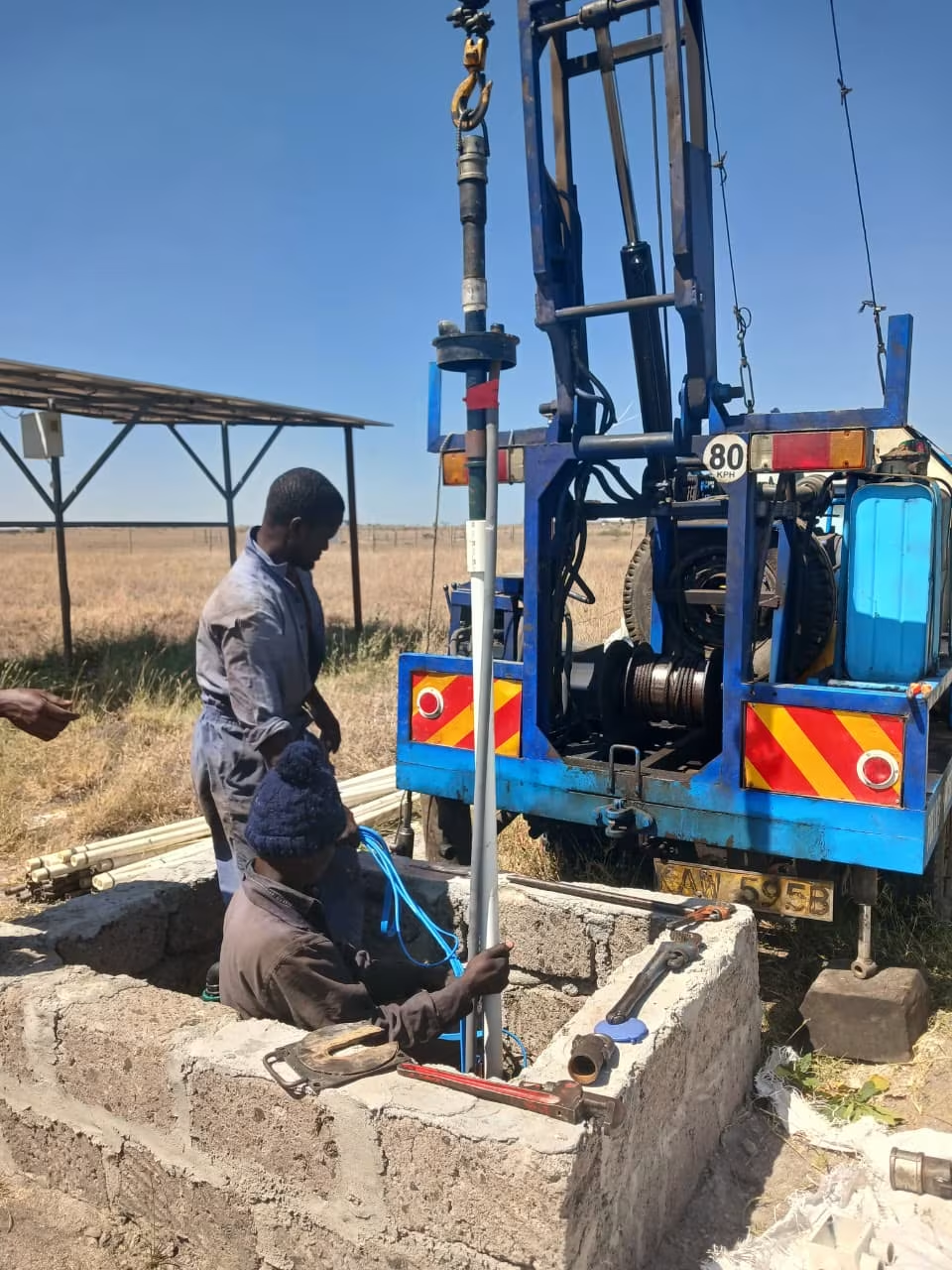
Borehole flow meter installation should begin with a measurement question. The owner may need daily production records, an operating flow observation or information for a wider water-accounting process. First, define what the reading must represent. Then ask a qualified provider to select a suitable device, location and verification approach.
Explore Masterpiece Hydro-Solutions borehole equipping services and request an assessed borehole metering scope. Describe the existing route, available flow records and intended use of the data. Ask for a proposal that explains the measurement boundary before comparing meter prices or displays.
Choose the question the meter must answer
A meter can support different decisions depending on its function and position. For example, an owner may want to know how much water leaves the borehole over a day. Another project may need to compare delivery during a particular operating period. These purposes should shape the proposal.
Next, identify who will read and use the result. A caretaker’s log and an automated monitoring arrangement need different information and responsibilities. The provider should explain what the proposed device supplies and what the owner must do to produce a useful record.
Also, distinguish an ordinary management purpose from a specific reporting obligation. If an authority or other party requires information, confirm its actual requirements. Do not assume that any device called a flow meter automatically produces an acceptable record for every purpose.
Define borehole flow meter installation measurement boundaries
Show the provider the water route and known branches. A reading represents water passing the assessed measuring point, not automatically every litre abstracted or delivered to users. Ask the practitioner to explain the boundary in a simple site diagram or written description.
Next, identify storage between the source and final use. Water leaving the borehole and water used by occupants may differ over a particular period because storage changes. A single meter does not automatically reconcile the whole site. The accounting question needs a clear system boundary.
Borehole flow meter installation should therefore identify what the recorded volume includes and excludes. If another outlet sits outside that boundary, make the consequence visible. Do not turn a useful local measurement into a whole-project claim that the arrangement cannot support.
Separate instantaneous flow from cumulative volume
Flow describes a rate, while cumulative volume describes an amount over time. A reading in cubic metres per hour is different from a total in cubic metres. Ask the provider to explain the proposed display and units so the operator does not record one as the other.
Also, a brief peak flow does not establish daily production. Operating periods and changing conditions affect the water delivered. This matters particularly where solar pumping varies through the day. Ask whether the arrangement records volume directly, provides a rate display or supports both functions.
Next, agree the record format. Include the date, time and units appropriate to the purpose. A clear log can make a simple system more useful, while an unexplained digital reading can still create confusion. The measurement process needs an owner, not merely a device.
Match the device to assessed operating conditions
Ask the practitioner to identify the expected operating flow and relevant installation conditions. A meter’s nominal connection size alone does not establish suitable performance throughout the actual operating range. The provider should explain the proposed selection using manufacturer information.
KROHNE’s overview of electromagnetic flowmeters illustrates that measurement technologies have application requirements and different device options. It does not establish that one model suits every borehole. Ask the provider to explain the selected technology and the evidence relevant to your specific scope.
Also, request the actual installation requirements for the proposed device. Qualified personnel should assess and perform the work. Owners should not apply a universal pipe-layout rule from a general article or assume that every meter shares the same conditions.
Compare borehole flow meter installation options
The comparison below focuses on what a proposal needs to explain. It does not rank technologies or prescribe a model. Suitability depends on the measurement purpose and assessed site conditions.
| Proposal feature | Question to ask | Decision consequence |
|---|---|---|
| Measurement function | Does it show flow, cumulative volume or both? | The owner can collect the intended information |
| Operating range | How does selection address expected variations? | Peak flow alone does not define suitability |
| Measurement boundary | Which water passes the measuring point? | The result has a defined meaning |
| Reading method | Who records or retrieves the information? | Data collection remains practical |
| Verification | What evidence supports the installed reading? | The owner understands confidence and limits |
| Service needs | What access and support does the device require? | Future responsibilities remain clear |
Next, resolve the questions most relevant to your use. Extra display features provide little value if the installation cannot answer the original measurement question.
Use a total-reading example
Consider an educational example with an assumed cumulative reading of 12 cubic metres at the start of a period. Suppose the later reading is 20 cubic metres on the same unchanged total. The difference is 8 cubic metres, or 8,000 litres.
The arithmetic only describes the assumed measured volume across that period and boundary. It does not establish instantaneous flow or prove the borehole can sustain that output indefinitely. Also, it assumes the readings use the same units and a continuous, understood total.
This example shows why borehole flow meter installation needs a clear handover. The operator should understand the display and how to record changes. A figure without its time, unit or boundary can support a misleading conclusion even when the subtraction is correct.
Keep meter data separate from source testing
Meter readings can describe operation, but they do not replace a suitable test-pumping assessment. Source yield, installed pump capacity and user demand remain distinct. Ask the practitioner how the records can inform monitoring without overstating what they prove about sustainable groundwater production.
Next, compare operating observations under clearly described conditions. A fall in measured delivery may raise a useful question, but it does not diagnose the cause. Source conditions, equipment, controls or route changes may require assessment. The meter records a result within its boundary.
Also, avoid treating a stable reading as a guarantee of water quality. Appropriate laboratory analysis and intended use guide that separate decision. A device measuring volume or flow does not certify that the water suits drinking or another application.
Confirm reporting needs with the relevant party
If the purpose involves authority reporting, consult the Water Resources Authority’s water-use allocation guidance and confirm the current project-specific requirements directly. Ask what record, device or submission the authority expects. Do not infer a universal requirement from another owner’s installation.
Next, tell the metering provider the confirmed purpose. The quotation should identify any relevant documentation and the support included. A general device specification should not quietly become a promise of acceptance by every reviewer or authority.
Also, identify who retains the records and handles queries. The provider may install the device without managing the owner’s ongoing reporting. Clear responsibilities help the measurement arrangement remain useful after commissioning rather than producing data that nobody maintains or submits.
Accept borehole flow meter installation through a record
Ask the provider to explain the proposed commissioning and verification scope. Qualified personnel should choose and perform appropriate procedures. The owner needs to understand what those checks establish and what limitations remain, rather than carry out pressure or electrical work.
Next, request the installed model reference, measurement boundary and initial reading information. Also, record units and the agreed method for future logs. If the provider uses the term calibration or verification, ask what service it actually performed and what supporting document it supplies.
Borehole flow meter installation should leave an understandable data process. The handover needs to identify normal reading access, reporting responsibilities and the service route for unusual behaviour. Owners should know which tasks require professional support rather than attempt to alter the installation themselves.
Define the quotation and future support
Request a scope that distinguishes assessment, meter supply, associated work and commissioning. Also, ask whether power, data interfaces or pipe modifications fall within the proposal. A device price alone may leave significant installation responsibilities elsewhere.
Next, identify exclusions and provisional decisions. If the provider must inspect the site before confirming the arrangement, keep that condition visible. Ask how the parties approve a revised scope and how the contractor records completed work.
Finally, request offered warranty terms, support arrangements and tax treatment in writing. Do not assume that a metering package includes continuous monitoring, fault diagnosis or reporting administration. The commercial commitment should match the actual supplied service and the owner’s intended use.
Questions about borehole metering
Will one meter tell me exactly what every user consumes?
Only if the measurement boundary and wider accounting arrangement support that conclusion. A source meter generally describes water passing its measuring point. Storage changes and other routes can matter. Ask the provider to explain what the proposed reading includes before treating it as a complete user-consumption record.
Can I compare a flow reading with a daily tank volume?
Not without a consistent time and measurement basis. Flow is a rate, while volume is an amount. Operating duration and changing conditions affect their relationship. Ask the practitioner to explain the data needed for your comparison. A single peak reading should not become a measured daily total.
Does the pipe diameter determine the correct meter?
It provides relevant information, but the selection also needs assessed operating conditions and the measurement purpose. Ask for manufacturer-based selection evidence. Qualified personnel should determine the appropriate device and installation. A matching connection alone does not establish useful performance across the expected range.
Can the meter prove sustainable borehole yield?
Not by itself. Operational readings can inform a discussion, but sustainable production needs appropriate source assessment. Keep yield, pump capacity and actual measured delivery distinct. The provider should explain what the records establish and when another investigation or test is needed.
What should the operator record?
Follow the agreed purpose and handover method. Useful records identify the date, time, units and relevant reading, with operating context where appropriate. Also, record unusual indications without altering equipment. Ask the provider to explain who reviews the information and whom to contact when behaviour changes.
Request a measurement plan with a clear purpose
Describe the information you need and provide the existing route details. Then request a metering assessment from Masterpiece Hydro-Solutions. Ask for a defined boundary, suitable device and useful handover record. A clear borehole flow meter installation plan makes the measurement arrangement understandable and useful.