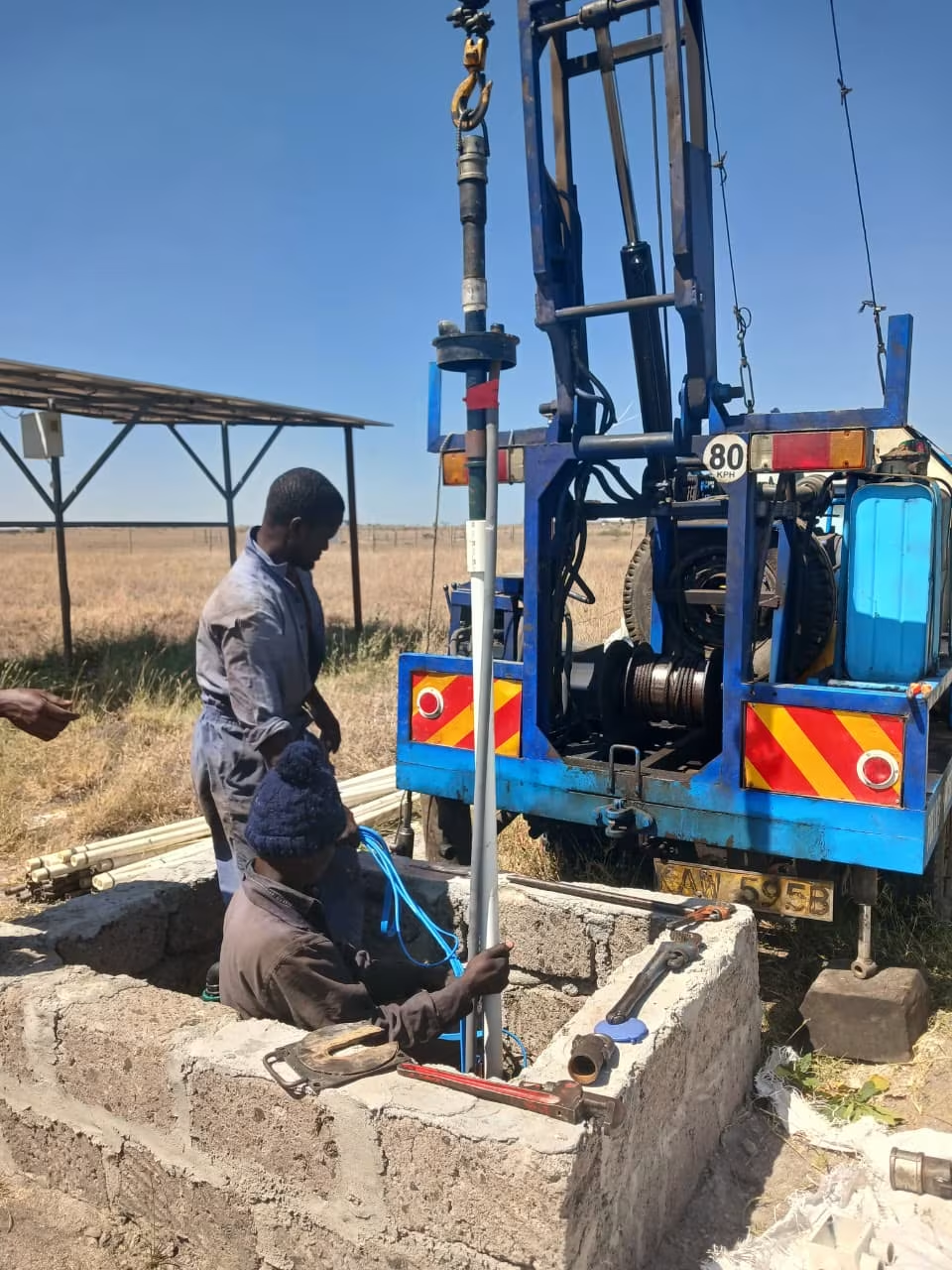
Borehole staged funding evidence should connect each spending decision with the information available at that stage. An early project estimate cannot establish final source performance, equipment choice or every approval requirement. Owners need defined scopes, responsible advisers and reviewable commitments before treating a broad budget as a guaranteed complete water project.
Explore Masterpiece Hydro-Solutions borehole equipping and request a proposal with project-stage responsibilities. Share the intended use and records already held. Confirm which services may be available rather than assume every assessment, approval-support or construction task belongs within one package.
Map stages without inventing one universal sequence
Discuss the relevant survey, applicability advice, construction, testing, equipping and acceptance decisions with qualified project advisers. Actual dependencies need confirmation. A planning map should identify questions rather than prescribe an identical legal route for every property.
Keep owner inputs and separate specialist responsibilities visible. Site identity, access and existing records may affect several stages. An excluded task can remain necessary for the complete project, so the budget should identify who arranges it rather than ignore it.
Also distinguish a proposed stage from an authorised commitment. A future allowance may support preliminary planning without meaning work has been instructed. The owner should know which decisions can be made now and which depend on evidence not yet available.
Start borehole staged funding evidence with the decision purpose
Ask what each proposed expenditure will establish. A survey can support a recommendation within its limits; it does not guarantee the eventual output or select every component. A diagnostic scope should have defined deliverables before later corrective or construction work is considered.
Identify the responsible professional and the evidence the owner receives. A price alone cannot explain the value of a stage. The owner should understand how the result informs the next decision rather than purchase a series of labels without a clear connection.
Keep uncertainty explicit where relevant. An early estimated depth or demand can remain provisional until appropriate evidence supports it. The funding record should not make every assumption appear confirmed merely because the project needs a planning total.
Understand authority stages through primary sources
The WRA permitting information distinguishes application, construction authorisation and later water permitting. Ask responsible advisers which applicable conditions and evidence affect the actual project. Commercial payment or a survey recommendation does not replace an authority decision.
The NEMA EIA information provides an official starting point for environmental assessment questions. Qualified advisers and relevant authorities should confirm applicability and route. This guide supplies no forms, fees, exemptions or waiting periods.
Keep advice, submissions and decisions labelled by their actual status. A task completed by an adviser does not automatically mean an authority approved the next activity. The owner needs a clear dependency record before committing to work that relies on that decision.
Use a stage-to-evidence planning table
| Planning stage | Question before further commitment | Evidence to identify |
|---|---|---|
| Background and survey | What recommendation and limitations support the next decision? | Attributable assessment and source information |
| Applicable project conditions | Which advice and authority decisions are required? | Actual status and responsible advisers |
| Construction | What scope, quantities and changes are authorised? | Accepted baseline and work records |
| Source and quality assessment | What does the completed evidence support? | Appropriate results and competent interpretation |
| Equipping and acceptance | What arrangement suits the assessed source and service? | Qualified selection, verification and owner records |
The table is an illustrative decision map, not a prescribed payment schedule or legal checklist. Actual project and procurement advisers should determine requirements. Owners should request clear scope and evidence rather than infer a guaranteed outcome from a stage label.
Keep equipment commitments tied to an assessed duty
Ask which source and delivery evidence the equipment recommendation relies upon. Pump capacity is not sustainable groundwater yield. User demand also needs an identifiable basis, with estimates and future scenarios labelled honestly.
The qualified designer should explain operating water level, destination and relevant route conditions. Drilled depth and equipment setting cannot replace the complete duty basis. A package described only by depth may leave important selection assumptions unresolved.
Where equipment procurement precedes final evidence, ask appropriate advisers to explain the actual commercial and technical implications. This guide does not determine cancellation rights, supplier obligations or which commitment is acceptable for a particular owner.
Consider an early-pump purchase
Imagine a hypothetical owner reserving equipment because a preliminary budget lists a familiar pump size. Later source and delivery information differs from the initial assumptions. The owner now holds a commercial commitment that may not align with the qualified final recommendation.
A stronger plan identifies the evidence needed before final selection and the status of any provisional purchase. The owner can ask appropriate technical and contractual advisers about the options. An early product choice should not force an unassessed operating arrangement.
This example does not prescribe when every owner should order equipment. It shows why the commitment needs a clear basis. Actual supply availability and contract terms should be confirmed rather than invented to make a planning sequence appear simple.
Keep borehole staged funding evidence commercially complete
Request written inclusions, exclusions and assumptions for each stage. A drilling total may exclude later analysis, equipment or access work. A component price may omit installation and verification. The owner should understand the complete relevant scope before comparing totals.
This guide provides no project prices, contingency percentage or universal funding reserve. Use current dated quotations and appropriate advice. A planning allowance should not appear as a guaranteed final amount where quantities or condition remain uncertain.
Also identify the authority to approve extra work. A new finding should support a reasoned recommendation and commercial proposal before the authorised decision. The owner should not rely on an open-ended instruction to do whatever is needed.
Separate technical review from payment approval
A qualified professional may assess suitability while an owner representative authorises expenditure. The record should identify both roles. A payment instruction does not prove technical adequacy, while a technical endorsement does not automatically settle the price.
Ask the actual contract to define relevant deliverables and acceptance points. Appropriate legal or procurement advisers should review significant terms. This article sets no deposit, retention percentage or rule about withholding payment.
Where formal procurement applies, follow the process established by the responsible team. The PPRA standard tender documents provide an official starting point for relevant materials. An owner-planning example should not alter an active tender’s approved requirements.
Preserve realistic outcome boundaries
Funding every planned activity does not guarantee that groundwater will meet a desired volume. Appropriate source testing and professional interpretation remain necessary. A clear budget can manage decisions without creating a resource the evidence does not establish.
Water quality requires separate appropriate analysis and competent intended-use advice. Clear appearance, a complete borehole or a paid invoice cannot certify drinking-water suitability. Keep the quality decision distinct from physical-work and equipment milestones.
Likewise, an accepted work record should state its actual scope. It may establish completion of defined tasks without certifying all hidden condition or future service life. The owner should not expand a narrow result into a complete-project guarantee.
Plan dependencies and continuity
Ask which professional inputs or evidence reviews affect programme decisions. An owner may need to coordinate several parties rather than assume each stage follows immediately. Current availability and responsibilities should be confirmed through enquiry.
If an existing supply is interrupted, identify essential-use and reserve decisions separately. Quantity and suitability of alternatives need their own evidence. The funding plan should not assume uninterrupted service simply because money is allocated.
Owners should not perform hazardous preparation or technical checks to keep the programme moving. Relevant electrical, lifting, pressure-related and chemical work requires competent parties and assessed procedures. Exclusions need appropriate responsibility rather than a DIY shortcut.
Keep the accepted record through handover
Retain stage scopes, significant findings and authorised changes together. A future manager should understand why each commitment was made and what evidence supported it. The final pack should preserve actual history rather than present the eventual outcome as known from the start.
Identify outstanding records and unresolved conditions with named responsibilities. A missing document differs from an accepted method limitation or a further owner decision. Clear status supports practical follow-up and avoids an undefined final signature.
Seek appropriate financial advice for significant funding commitments. This article offers a project-evidence framework, not an investment recommendation or return forecast. Actual affordability and financial arrangements require current advice about the owner’s circumstances.
Questions about staged project spending
Does an early estimate establish the complete project cost?
Ask what scope, assumptions and exclusions it describes. Later evidence may affect quantities or equipment. Use current written information and appropriate advice rather than treat a preliminary total as a guaranteed final price.
Does paying an adviser guarantee approval?
No. Distinguish professional work, submissions and authority decisions. Ask qualified advisers about the actual route and status. A commercial transaction cannot replace applicable permissions or establish every condition has been met.
Can the survey alone select the final pump?
A recommendation needs the relevant source and delivery evidence at the appropriate stage. Ask the qualified designer which inputs support final selection. Source yield, pump capacity and demand should remain distinct.
Does this guide recommend a funding product?
No. It maps evidence and project commitments without prices or returns. Appropriate financial and legal advice should guide actual funding arrangements, affordability and significant contractual decisions.
Request evidence-linked project stages
Useful borehole staged funding evidence makes each commitment understandable before the next one. Share current documents, intended use and known gaps. Ask qualified advisers and providers to identify stage deliverables, dependencies and decision authority.
Request a borehole equipping proposal with project-stage responsibilities. Confirm which services may be available and identify separate inputs. A clear staged plan supports informed spending without invented prices, automatic approvals or guaranteed water outcomes.