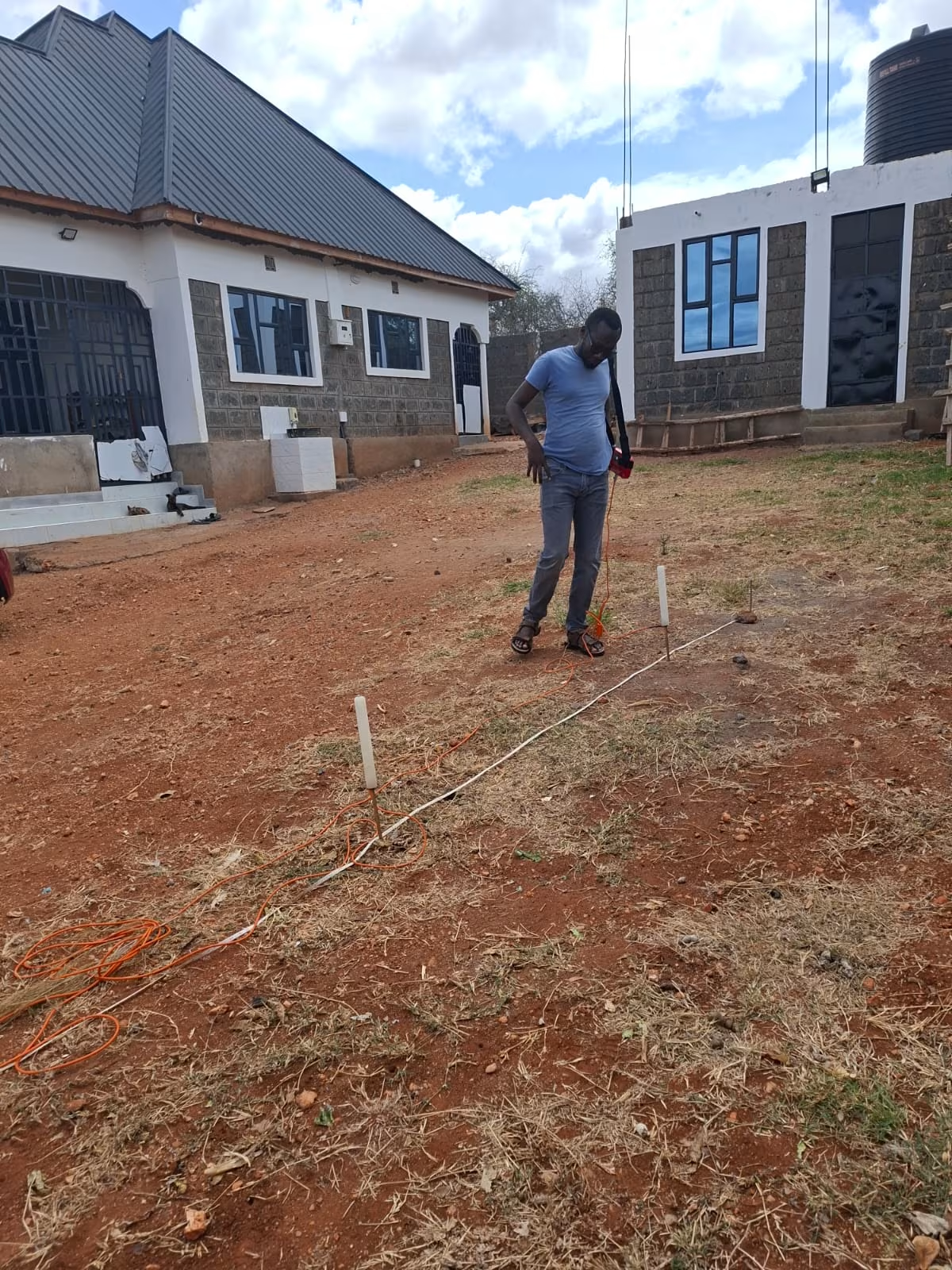
Borehole survey timing depends on the agreed assessment, available information and site conditions. A field visit and a completed report are different milestones. Therefore, ask for a programme that separates preparation, fieldwork, interpretation and follow-up rather than relying on one unexplained promise about completion.
This guide helps Kenyan buyers discuss a realistic survey programme without inventing a universal number of hours or days. See Masterpiece Hydro-Solutions hydrogeological surveys or request an assessment with clear stages and deliverables. Explain the decision the report needs to support.
Distinguish the visit from the completed assessment
First, ask what the provider means by completion. It might refer to finishing field measurements, issuing a report or completing an agreed review discussion. Those are separate events, and each may depend on information or work beyond the site visit.
Also, identify what the owner needs before making the next decision. A drilling tender, site purchase discussion or phased-development review may require a different record set. The programme should connect the deliverables with that actual purpose.
Do not assume that a brief attendance produces an immediate final interpretation. Equally, a longer proposed programme still needs explanation. The useful comparison is the work and evidence included, not a preference for the shortest or longest duration.
Start borehole survey timing with the enquiry brief
Provide the county, site description, intended water use and available reports early. Also, explain any access restrictions and the decision date you are working towards. This allows the provider to identify missing inputs before agreeing attendance.
If information is incomplete, label the gaps. A missing site reference or uncertain assessment area can create questions that need resolution. Do not fill those gaps with invented coordinates, depths or neighbouring yields merely to obtain a quick appointment.
Borehole survey timing becomes easier to review when the provider distinguishes confirmed arrangements from assumptions. Ask which inputs the owner must supply and what happens if they arrive later than expected.
Agree the preparation and background work
A survey may draw on available maps, previous records and the project’s intended use. Ask the provider what preparation forms part of the scope and which information it can verify. The owner should understand the role of those inputs without prescribing specialist interpretation.
Also, distinguish records for your site from material about another property. A neighbouring borehole can provide context without proving the same conditions on your plot. The provider should explain how relevant evidence informs the proposed investigation.
If the brief changes, revisit the programme. For example, adding another assessment area or a different planning objective may create further work. Agree the effect on deliverables and commercial scope before assuming the original commitment still applies.
Clarify what affects fieldwork arrangements
Site access, available working areas and relevant restrictions can affect the investigation plan. Tell the provider what is known about buildings, ongoing activities and practical entry arrangements. Qualified personnel should decide suitable methods and explain their access requirements.
Next, ask how an unexpected constraint will be handled. It may affect coverage, require further information or lead to a proposed additional visit. The programme should explain how the provider records that limitation and agrees the next step.
Do not undertake hazardous preparation or specialist measurements to protect a booking date. Owner preparation should improve communication and access, while technical fieldwork decisions remain with the qualified surveyor.
Plan borehole survey timing with a staged programme
A stage table makes the proposed borehole survey timing more useful. First, identify each expected output. Next, agree dependencies, responsible contacts and what counts as completion. Any date or period should belong to the written proposal for your actual scope.
| Stage | Expected output | Dependency to clarify |
|---|---|---|
| Enquiry review | Agreed site identity and assessment objective | Owner information and available records |
| Preparation | Defined investigation scope and visit arrangements | Background evidence and practical access |
| Fieldwork | Recorded observations and measurements within the agreed scope | Actual site conditions and coverage limits |
| Interpretation | Reasoned assessment with uncertainties identified | Usable evidence and any information gaps |
| Reporting | Agreed report and supporting material | Completed review and document preparation |
| Follow-up | Explanation of recommendations or agreed revisions | Owner questions and the included review scope |
Ask how interpretation and review are included
The report should connect evidence with the recommendation and explain important limitations. Ask who prepares the interpretation and what review forms part of the provider’s normal process. Do not treat an instrument output alone as a completed groundwater assessment.
Also, clarify how the provider distinguishes its own observations from information supplied by others. Missing or uncertain records can affect what the report can conclude. A useful programme leaves room for those questions to remain visible.
For a technically constrained brief, ask how further investigation would be proposed. Additional work should have an explained purpose and agreed scope rather than appearing later as an unexplained reason for delay.
Work through an illustrative deadline problem
Consider an educational example where an owner wants a report before comparing drilling proposals. The owner initially asks only when the field team can visit. After booking, the intended assessment area changes and an older report becomes available.
First, the parties should clarify whether the new information changes the agreed investigation. Next, they can review the programme and expected deliverables. The provider should explain any effect on reporting rather than assuming that the original visit date settles every later milestone.
This example does not establish a standard duration or an automatic additional charge. It shows why borehole survey timing should follow a defined brief and a clear process for changes. The owner can then make the next decision using actual delivered evidence.
Keep authority processes separate from survey delivery
A completed survey report does not automatically establish that every project approval is complete. WRA’s permitting guidance distinguishes authorisation to construct abstraction works from the subsequent water permit process. Ask the authority to confirm current requirements for the site and stage.
Also, identify who manages authority enquiries and supporting records. If the survey provider offers assistance, define its actual scope. Avoid relying on a promise that an authority will make a decision within the provider’s own reporting programme.
Borehole survey timing and authority processing are connected project questions, but they are not the same obligation. Keep each responsibility and unresolved dependency visible in the overall plan.
Check what the report must contain before drilling decisions
Agree the report’s purpose, site identity, evidence explanation, limitations and recommendations. Also, ask which supporting material belongs in the handover. The owner should know what information will be available for the next qualified adviser.
For the construction stage, review borehole drilling services. A survey recommendation is not a construction outcome, a guaranteed yield or proof of water quality. Drilling and relevant testing must still establish actual source conditions.
Do not schedule an irreversible equipment commitment solely around an expected survey visit. Ask which later decisions depend on the completed report and which depend on evidence that only construction and testing can provide.
Record progress and questions clearly
Use one agreed communication route and name the owner’s authorised contact. A concise progress record can show completed stages, missing inputs and the next agreed action. This helps avoid conflicting instructions from several people managing the same property.
If a milestone changes, ask for the reason and the proposed effect on the remaining scope. Distinguish a practical access issue from an unresolved interpretation question or an owner-requested addition. Different causes may need different responses.
Also, keep issued reports and revisions clearly labelled. The drilling contractor or another adviser should be able to identify the current document and understand why it replaced an earlier version.
Compare programme commitments alongside scope
A quick promise is useful only when its meaning is clear. Ask each provider whether the proposed borehole survey timing includes preparation, fieldwork, reporting and a follow-up explanation. Compare equivalent deliverables before deciding that one offer is more responsive.
Confirm quote validity, VAT treatment and any attendance or revision limits. Also, agree how an owner cancellation, changed brief or additional visit would be handled. Do not assume that every package includes unlimited work after the first report.
The appropriate programme belongs to the assessed project. A general article should help you ask better questions rather than provide an unsupported universal duration for every Kenyan site.
Frequently asked timing questions
Can a field visit and final report finish together?
That depends on the actual scope and provider’s process. Ask what work follows field observations and which deliverables the stated programme covers. Do not infer a reporting commitment from an attendance date alone.
Does taking longer prove a better survey?
No. Compare the methods, evidence, explanation and agreed deliverables. A longer programme needs a clear purpose, while a short programme still needs a realistic scope. Duration alone does not establish the quality of the assessment.
What can an owner do to avoid avoidable delays?
Provide a clear brief, relevant records and agreed access information. Also, identify the authorised decision-maker and explain changes promptly. Leave specialist measurements and technical interpretation to qualified personnel rather than supplying guessed values.
Does the reporting date include approvals?
Only the written scope can explain the provider’s own assistance and deliverables. Authority decisions remain separate questions. Confirm current requirements and responsibilities directly with the relevant authority instead of assuming automatic approval within a survey programme.
What should the first enquiry include?
Send the county, intended use, available reports and the decision the survey should support. Also, describe access restrictions and any relevant planning deadline. Label missing information so the provider can propose a realistic assessment scope.
Request a programme tied to useful evidence
Clear borehole survey timing separates preparation, fieldwork, interpretation and reporting. First, define the decision and site. Next, agree deliverables and dependencies. Finally, record changes and the evidence needed before progressing to the next project stage.
Request a scoped survey programme from Masterpiece Hydro-Solutions. Share the information you have and the decision you need to make. The next step is a site-specific commitment with understandable stages and responsibilities.