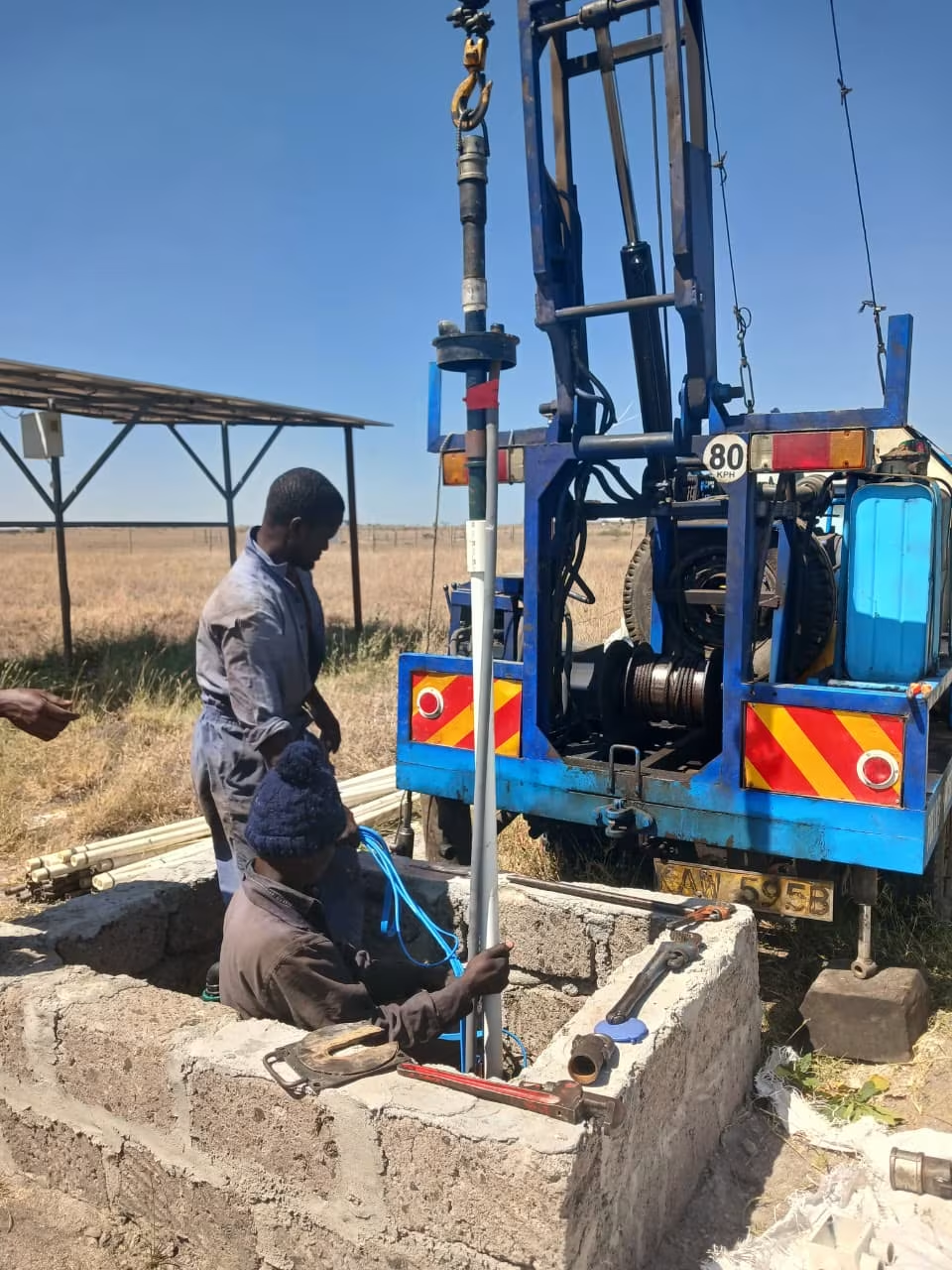
Camera inspection before replacement can help when an unresolved borehole question affects the proposed pump work. It should answer a defined visual question rather than become an automatic extra on every replacement. First, review the fault findings and source records. Then ask whether usable footage could change the equipment or installation decision.
Explore Masterpiece Hydro-Solutions borehole inspection and request a pre-replacement assessment. This guide focuses on deciding what an inspection can contribute. Qualified personnel should handle diagnosis, equipment access and any retrieval or electrical work; the owner needs clear evidence and scope boundaries.
Define camera inspection before replacement by its question
Ask the professional which unresolved concern could affect replacement. The question may involve an area of visible condition or an uncertain internal feature. Also, ask what decision a useful observation would change. If nobody can identify that connection, the proposed inspection may need a clearer brief before the owner commits to it.
Keep equipment symptoms separate from a visual question. A controller indication or interrupted delivery does not automatically establish an internal borehole cause. The assessor should explain the current evidence and gaps. Camera inspection before replacement supports a decision when the scope addresses those gaps, rather than promise a complete diagnosis from images alone.
Read the fault assessment before ordering another investigation
Gather service records, equipment identities and the factual account of the interruption. Ask which findings the qualified assessor has confirmed. Also, identify proposed checks that remain outstanding. A replacement quote should not silently treat a guessed cause as settled merely because the installation has stopped supplying water.
The owner can report timing, observed indicators and changes in delivery without attempting technical testing. Avoid bypassing protection or repeatedly forcing operation. Ask the responsible professional to explain whether the next uncertainty concerns equipment, source performance or visible internal condition. Different questions may require different assessment tasks.
Check whether the intended visual evidence is achievable
The US EPA overview of borehole cameras describes visual examination of borehole interiors. Ask the provider whether the relevant area can reasonably produce usable evidence under the proposed scope. Also, identify access constraints and who handles any necessary technical preparation.
Do not assume every installation permits the same inspection coverage. The provider should explain anticipated limitations before the visit and record actual limitations afterwards. An incomplete view may still answer part of the question. However, it should not become assurance about an area the team could not assess.
Compare camera inspection before replacement with separate checks
Use the table to keep the assessment plan focused. The responsible professionals should decide which work fits the actual findings. The owner can then see why an inspection appears in the scope and what another task still needs to establish before confirming the replacement arrangement.
| Unresolved question | Relevant discussion | Boundary to preserve |
|---|---|---|
| What caused an equipment interruption? | Qualified fault assessment | Images alone do not diagnose every electrical or motor issue |
| Does an internal area need visual review? | Focused camera scope and access assessment | Coverage and image quality limit conclusions |
| Can the source support planned abstraction? | Appropriate performance evidence | Visible condition is not a sustainable-yield measurement |
| Does the proposed replacement suit the duty? | Equipment and delivery assessment | A clear video does not select the final model |
| Is water suitable for the intended use? | Appropriate laboratory analysis and advice | Appearance does not establish potability |
| What should happen next? | Joined-up findings and gap review | Do not convert an observation into an automatic work order |
Connect footage with existing construction records
Provide the completion record and previous inspection evidence where available. Also, identify the borehole and relevant dates clearly. The inspector should explain how the current observations relate to the supplied information. If an old record conflicts with the view, request clarification rather than alter the owner’s copy to make both appear consistent.
Ask the report to distinguish confirmed observations, interpretation and unknown areas. Camera inspection before replacement becomes more useful when another qualified person can understand that distinction. The evidence file should not require a future contractor to guess which statements came from footage and which came from unverified historical accounts.
Work through two fictional replacement briefs
Consider an educational comparison between two sites without assuming either represents a real project. At the first site, a qualified fault assessment identifies an equipment issue and no unresolved visual question. At the second, the assessor identifies an internal-condition uncertainty that could affect the planned work.
The first owner should ask whether a camera adds useful evidence or whether other checks answer the remaining questions. The second owner should ask for a defined visual scope and anticipated coverage limits. Neither case supports a universal rule that cameras always precede replacement or never contribute to it.
Camera inspection before replacement should follow the decision the team needs to make. After the visit, the second owner should ask whether the footage answered that question and what remains unresolved. A new observation may justify further assessment, but it does not automatically prescribe a repair method or a different pump.
Keep replacement duty separate from visual condition
The proposed pump still needs assessment for required flow and total dynamic head. The Grundfos pump-selection resource explains that relationship. Ask how the replacement addresses today’s demand and destination, rather than assume an identical model remains suitable because the borehole looks unchanged.
Distinguish drilled depth, pumping water level and pump setting depth. The delivery assessment also considers elevation, route losses and required outlet pressure. A camera finding does not remove the need for those inputs. Source supply, pump capacity and demand should remain separate in the final equipment brief.
Agree camera inspection before replacement deliverables
Request a clear site identity, date, coverage account and explained observations. Ask whether the scope includes footage and selected images with useful location references. Also, confirm who will discuss the report and respond to reasonable clarification. A file of images without context may leave the owner unable to use the findings.
Record the intended question in the report brief. That gives the owner a practical way to review the delivered work. Camera inspection before replacement should conclude with an understandable answer, a partial answer with limits, or a clear statement that usable evidence could not resolve the question.
Review the findings before changing the replacement scope
Ask the responsible team to explain the significance of each relevant observation. Which part of the proposed work changes, and why? Also, distinguish a new technical recommendation from an immediate commercial commitment. The owner should understand the evidence and revised task before approving extra spending or component substitutions.
The borehole equipping service provides the relevant route for replacement equipment assessment. Keep camera findings beside fault records and the selected duty. A complete decision can then explain retained components, proposed replacements and outstanding uncertainty without asking the video to answer every equipment question.
Define post-work acceptance separately
An inspection record describes its own assessment, while a later installation needs commissioning evidence. Request measured delivery, equipment identities and operating conditions at the agreed destination. Also, ask qualified personnel to demonstrate relevant control behaviour. A favourable camera report does not prove that the completed replacement provides the intended daily service.
Keep the pre-work findings and post-work record linked by site identity and dates. This makes later performance discussions more useful. The operator can report a change against a known baseline rather than rely on a broad assurance that the borehole looked fine before the replacement team arrived.
Questions owners ask before paying for a camera visit
Is inspection necessary for every replacement?
No universal rule applies. Ask which unresolved visual question could affect the proposed work. Camera inspection before replacement should have a defined decision purpose. Other equipment or performance checks may address different uncertainties, and the qualified assessor should explain the appropriate scope.
Can the camera prove the old pump failed?
Footage cannot diagnose every motor, control or supply issue. Ask the responsible professional what the fault evidence confirms and what visual assessment could add. Keep symptoms, observations and diagnosis distinct. The owner needs a justified replacement decision rather than a conclusion inferred from images alone.
What if the relevant area cannot be viewed?
The report should identify that limitation clearly. Ask what part of the original question remains unanswered and whether another assessment can address it. Do not treat an unviewed area as problem-free. The appropriate next step depends on the evidence and qualified site judgement.
Can visible deposits justify immediate rehabilitation?
Ask the professional to explain their significance and any further evidence needed. An observation does not automatically establish the right corrective task. Also, clarify the proposed outcome and uncertainty. Work should follow an assessed problem rather than a general assumption that any visible feature needs removal.
What should accompany the first enquiry?
Send source records, equipment identities, fault findings and observed symptoms. Explain the intended replacement and the unresolved visual concern. Also, identify access restrictions and the site contact. Clear information helps the provider propose an assessment whose result can influence a real decision.
Request a focused pre-replacement decision
Use camera inspection before replacement to answer a specific internal-condition question. Keep coverage limits, fault findings and equipment duty visible together. Finally, define separate acceptance evidence for later work. This gives the owner a traceable basis for choosing the next task without overstating what images can prove.
Request a pre-replacement inspection assessment from Masterpiece Hydro-Solutions. Share the evidence already available and ask what the camera could clarify. A useful scope explains the decision purpose, practical limits and how the findings will connect with the proposed equipment work.