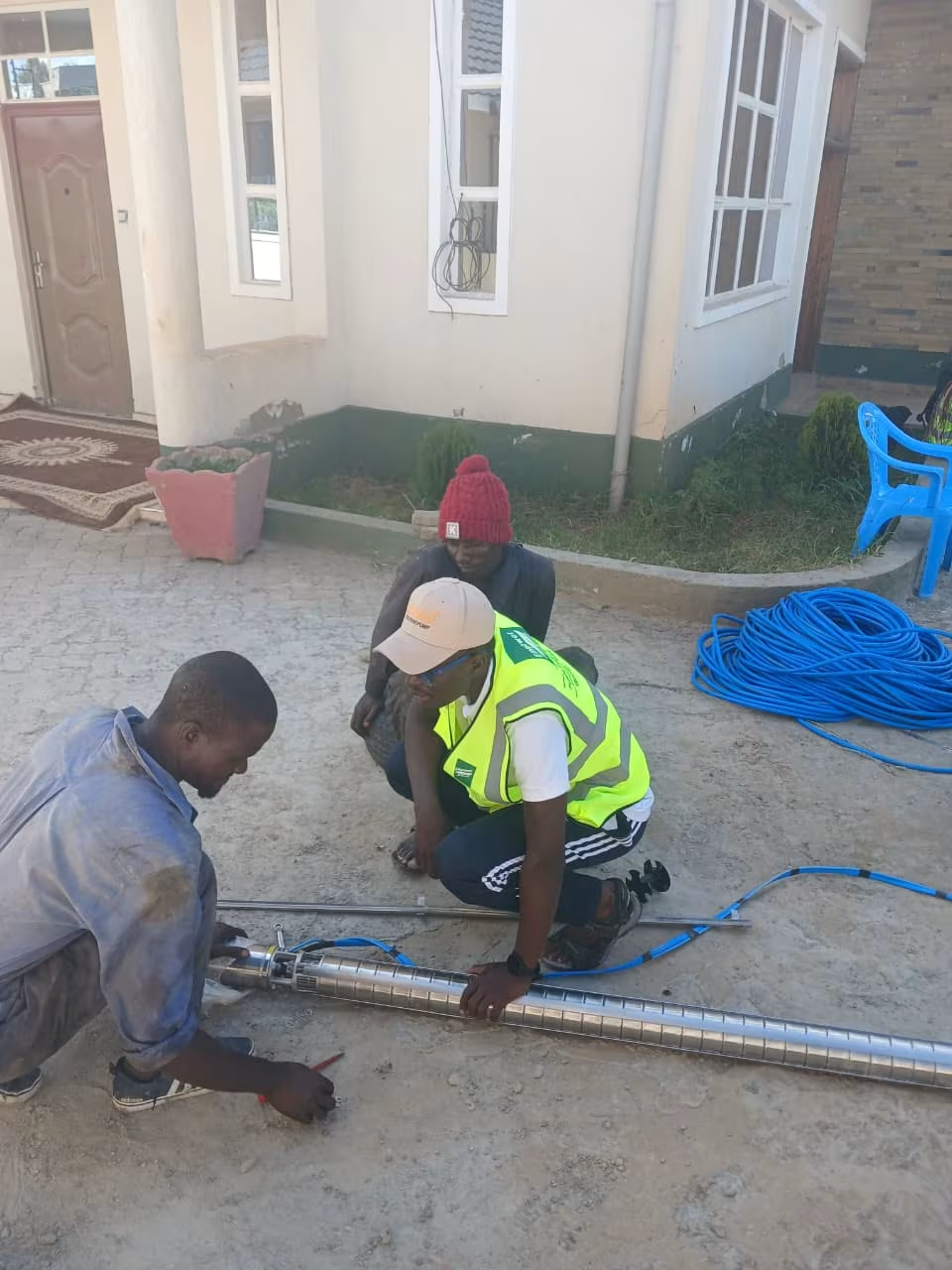
Nairobi inspection evidence custody matters when several people manage a borehole and need to use the findings. A video held on one person’s phone may become difficult to interpret or retrieve later. Therefore, agree the owner of the inspection question, the authorised recipient and the document record. Confirm actual service availability for the site before booking.
Use the Nairobi county project page for the wider location enquiry. See borehole inspection and request an assessment with your records and reporting needs. This guide focuses on usable evidence at managed properties without claiming local projects, response times or automatic coverage.
Start Nairobi inspection evidence custody with a question owner
First, identify who needs the inspection and which decision follows it. A manager, landlord and technical adviser may want different information. Bring those questions into one brief where appropriate. The provider should understand the intended use before proposing footage or a report.
Next, distinguish observed symptoms from suggested explanations. Staff may report reduced delivery while a committee suspects internal damage. Record both accurately without presenting the suspicion as fact. Qualified personnel should decide how the visual scope relates to the actual concern.
Also, identify who may approve the scope and any later work. The person escorting the team may only control access. Clear roles prevent an on-site conversation from becoming an unintended commercial instruction. Keep the authorised contact available through the agreed communication process.
Prepare records that remain useful after staff changes
Gather construction information, previous reports and equipment details where available. Also, list the current concern and relevant dates. A later property manager should understand the history without searching personal messages. Keep original documents and label their versions clearly.
Next, identify gaps honestly. An old recollection of depth may provide context without becoming a verified measurement. The provider needs to know that distinction. Do not manufacture precise information to make the inspection request appear complete.
Also, agree where the authorised project file will remain. Access should respect privacy and commercial confidentiality. This does not require sharing another customer’s material or publishing internal records. The aim is a reliable custody arrangement for the evidence the property commissions.
Record an alternative authorised contact if the main recipient leaves. That simple custody decision helps a future manager request the complete file through an understood route.
Organise Nairobi inspection evidence custody responsibilities
| Responsibility | Question to settle | Record to retain |
|---|---|---|
| Inspection purpose | Who defines the decision and concern? | Current agreed brief |
| Commercial instruction | Who may approve scope and changes? | Accepted proposal and authority contact |
| Site access | Who coordinates occupied-site entry? | Practical access arrangement |
| Evidence delivery | Who receives the files and report? | Agreed output and recipient |
| Interpretation | Who answers technical questions? | Qualified findings and clarifications |
| Future custody | Where will authorised managers find the record? | Controlled project file |
Use the table to clarify roles without assuming every organisation needs the same structure. Actual duties depend on the agreed arrangement and circumstances. Ask appropriate advisers where formal authority remains unclear. Practical custody should not silently determine ownership or legal acceptance.
Define the visual output before the visit
Ask what recording and written interpretation the proposal includes. Also, request the location, inspection date and depth reference within the output. Those details help a future assessor understand what the material represents. A short clip without context may not answer the original decision.
Next, ask how the report separates observation from possible cause. A visible feature may justify further questions without proving a complete diagnosis. Qualified interpretation should state that limit. The manager needs to understand what the inspection establishes rather than receive a confident but unsupported label.
Nairobi inspection evidence custody should preserve the original files alongside any summary. Selected screenshots may help a meeting but can omit context. Keep the report’s limitations attached when presenting the findings. A decision-maker should not see only the most dramatic image.
Record viewing and access limitations
Laval Underground’s camera information identifies fluid clarity and available light as visibility factors. Ask the provider how it records restricted views. Equipment capability cannot promise usable images through every condition at your borehole.
Also, identify installed equipment and available access records. The team should decide what assessment its proposed camera work requires. Do not remove a pump, open electrical equipment or lower objects to prepare the site. Qualified personnel must assess any necessary preparatory task.
Next, ask why the run ended at its recorded point. A camera position may reflect an accessible limit rather than confirmed total depth. The final file should preserve that distinction. Unobserved areas should remain clear instead of appearing to have passed inspection silently.
A scenario involving a management handover
Imagine a managed Nairobi property commissions an inspection through its caretaker. Months later, a new manager needs the findings before considering further work. The only available material is a selected clip without the full report or depth reference. The provider’s original limitations have not reached the new manager.
First, the authorised recipient requests the agreed files and supporting report through the appropriate contact. Next, the manager records the inspection purpose, references and unresolved questions. Any later assessment receives the complete current file. The staff transition no longer depends on one person’s interpretation of the clip.
The Nairobi inspection evidence custody arrangement has preserved usefulness without guaranteeing a diagnosis. The example is hypothetical and describes no completed local project. It shows why output, recipient and retention decisions belong in the original enquiry rather than only after information goes missing.
Coordinate access at an occupied property
Tell the provider about controlled entrances and normal use of the borehole area. Also, identify the practical site contact and authorised commercial contact separately. The team should explain its proposed work arrangements. Do not assume regular building access automatically suits the inspection operation.
Next, discuss how residents, staff or visitors remain outside the agreed work area. The provider must assess its actual requirements. Owners should not improvise technical access or assign unqualified helpers to equipment tasks. Safe coordination is a professional planning question.
Also, request a clear preparation boundary. If another task may be necessary, ask for its reason, responsible party and approval process. A camera quote should not become an undefined instruction for removal or electrical work. Keep those commitments separate and reviewable.
Keep yield and quality findings separate
A camera can document accessible visible features but does not replace measured source performance. Visible water does not establish sustainable yield. If the concern involves reduced production, ask what other evidence the assessment needs. The video should support the investigation within its actual limits.
Likewise, clear footage or water appearance cannot establish drinking suitability. Ask which laboratory analysis fits the intended use and who interprets it. Do not present the inspection report to occupants as a quality certificate unless the relevant evidence actually supports that statement.
Nairobi inspection evidence custody should preserve those boundaries when managers share findings. A meeting summary can accidentally remove caveats or combine separate tests. Retain the source documents and identify what each one establishes. This makes later communication more accurate.
Use the findings for a defined next decision
If the provider recommends further work, ask which observation supports it and what uncertainty remains. Do not treat every visible deposit or damaged-looking feature as an automatic rehabilitation instruction. For a related enquiry, see borehole rehabilitation and request an appropriately assessed scope.
The WRA permitting guidance distinguishes construction authorisation from the subsequent water permit. If proposed follow-up work raises authority questions, ask WRA about current requirements. A privately commissioned inspection cannot replace the authority’s role or guarantee approval.
Next, retain the instruction resulting from the findings alongside the original evidence. A later team can then understand why the owner selected a particular route. Also, keep rejected or unresolved options identifiable. The file should describe the decision history without rewriting it as certainty.
Questions about Nairobi inspection evidence custody
Who should receive the inspection report?
Agree an authorised recipient who can retain the files and route technical questions appropriately. The practical access contact may hold a different role. Confirm the arrangement in the scope. Do not assume that sending footage to one staff member creates a complete management record.
Can screenshots replace the full recording?
Selected images can help discussion but may omit the run’s context and limits. Retain the agreed original material and written findings. A future assessor may need both. Ask the provider what files and references its proposal actually includes.
Does a report transfer determine ownership?
Practical receipt does not automatically answer every legal ownership or acceptance question. Review the actual agreement and circumstances with suitable advice where needed. Clarify what any proposed acknowledgement means before signing. This guide organises custody rather than determines legal rights.
Does the county page confirm a booking?
Ask about the exact site, scope and available assessment resources. The county page is an enquiry starting point. It does not promise every narrow service or response time. Provide the records so the provider can give a site-specific answer.
What should a new manager inherit?
Provide the inspection brief, accepted scope, original outputs and clarifications. Also, retain the resulting instructions and unresolved questions. The manager should understand the findings without relying on one person’s memory. Preserve the limits alongside the conclusions.
Request evidence that survives the staff transition
Useful Nairobi inspection evidence custody connects the question, output and authorised recipient. It keeps references and limitations available for later decisions. Agree those details before the visit. Then retain the complete record rather than only a clip or informal summary.
Send Masterpiece Hydro-Solutions your Nairobi inspection enquiry. Include the concern, site records and proposed report recipient. Ask for availability confirmation and a scope that explains recording, interpretation, limitations and evidence delivery.