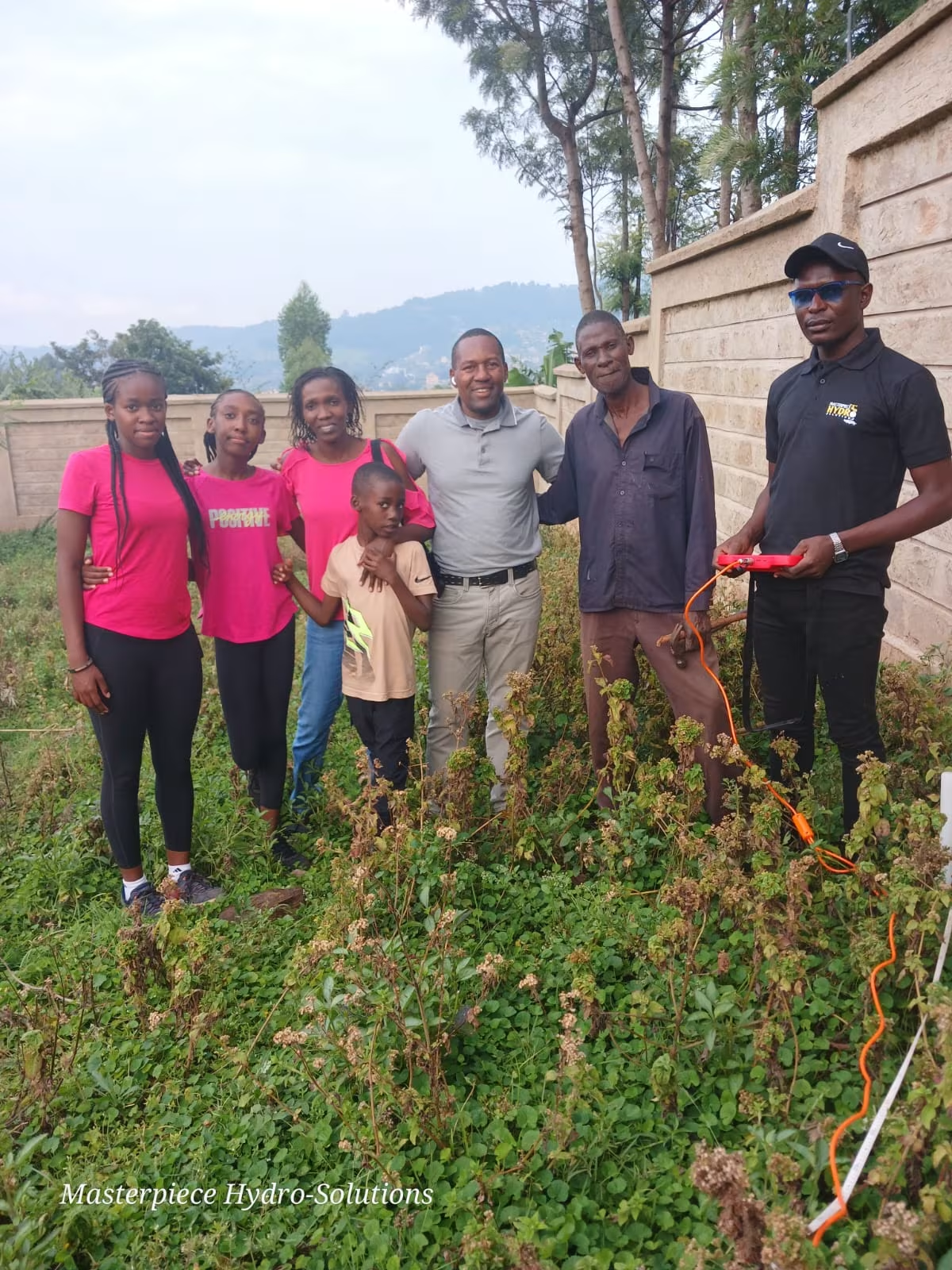
Checking groundwater survey recommendations means tracing the proposed action back to evidence and the project brief. A confident conclusion alone cannot explain whether the next step suits your decision. Therefore, read the recommendation with its assumptions, location and limitations. Ask for clarification before turning it into a drilling instruction.
Masterpiece Hydro-Solutions offers hydrogeological surveys. You can request an assessment or discuss the report information you need. Explain your intended use and available records. Also, identify which recommendation you need to understand before committing to further work.
Start checking groundwater survey recommendations with the brief
First, compare the report’s stated purpose with the enquiry you actually made. A domestic supply assessment may not address a later irrigation plan. Likewise, a report for one parcel may not cover an adjoining purchase. Confirm the location and intended use before assessing the conclusion.
Next, check the information the assessor received. Missing demand details or an outdated layout may affect the questions it could answer. Do not blame the report for omitting a requirement that the brief never stated. Instead, ask how the new information changes the assessment.
Also, distinguish a recommendation to investigate from a promise of a working supply. The words can sound similar to a non-specialist reader, but their consequences differ. Request a plain-language explanation of the proposed action. Keep its uncertainty attached when discussing it with family or project supporters.
Identify observations, interpretation and assumptions
A useful report lets the reader distinguish recorded information from professional interpretation. Ask which evidence supports the recommendation and which details remain assumptions. You do not need to reinterpret specialist measurements yourself. Instead, request an accessible explanation of how the evidence informs the conclusion.
Next, identify information the report could not verify. Missing nearby records or an uncertain site feature may limit the conclusion. Ask whether the limitation affects the next decision or simply deserves a note. This keeps the discussion proportionate rather than treating every gap as equally serious.
Also, look for conclusions that seem more definite than the stated evidence. Ask the author to explain the wording without assuming misconduct or error. A clarification may resolve the issue, while a material gap may need further assessment. The next step should follow the actual concern.
Use a table when checking groundwater survey recommendations
| Recommendation element | Question to ask | Acceptance record |
|---|---|---|
| Proposed point | Can everyone identify the same location? | Clear location reference and map |
| Supporting evidence | What findings inform this recommendation? | Relevant report sections and explanation |
| Planning assumptions | Which details need later confirmation? | Assumption list with consequences |
| Uncertainty | What outcome remains unproven? | Limits carried into the next instruction |
| Further work | What question will the next stage answer? | Defined purpose and proposed scope |
| Change trigger | What new information requires review? | Named trigger and responsible contact |
Acceptance here means understanding the report for a buyer’s decision. It does not certify its technical correctness or remove uncertainty. If a material technical concern remains, ask for appropriate qualified review. Also, seek suitable advice where a contractual obligation depends on the wording.
Confirm the proposed location precisely
Read the map, point reference and written description together. If they appear inconsistent, ask the author to clarify before anyone marks a construction location. A contractor should not have to guess which document controls. Keep the response with the report version it explains.
Also, compare the point with the current property layout. Buildings, services or access constraints may require further discussion. Do not move the point casually to create working room. Ask the relevant professionals and authority what assessment or confirmation a change needs.
Checking groundwater survey recommendations should therefore include a practical location handover. Identify who will communicate the accepted reference to the drilling team. However, a clear location reference does not guarantee suitability by itself. It makes the assessed proposal traceable rather than silently changing it.
Read depth references in context
A report may discuss depth as part of its planning recommendation. Ask what the figure represents and which decisions depend on it. Do not treat every depth reference as a fixed completion instruction or guaranteed water strike. The wording and technical explanation matter.
Next, compare the report with any drilling quotation using that information. If the supplier introduces another quantity, ask for the reason. The difference may reflect a pricing assumption or an unexplained change. Resolve it before accepting a measured-work commitment based on uncertain scope.
Also, keep later equipment selection separate. Drilled depth, pumping water level and pump setting are different quantities. A preliminary survey figure cannot establish the final pump duty. Qualified personnel need the relevant source evidence and delivery requirements for that later assessment.
A scenario involving an unrecorded location change
Imagine an owner receives a report recommending one point near the rear boundary. Later, building materials occupy that area. The owner tells the drilling supplier to use a clearer space nearby. Nobody records whether the change needs further assessment. The project now risks proceeding on a different assumption.
First, the owner pauses the location instruction and informs the assessor. Next, the team explains what review the changed point requires. Any relevant authority question also needs confirmation. The resulting written update identifies the location and the limits that still apply.
This example shows why checking groundwater survey recommendations continues beyond reading the final paragraph. Site changes can break the connection between evidence and action. A traceable update helps the buyer understand the new decision. It cannot guarantee that either location will produce the desired water result.
Turn limitations into practical questions
A limitation becomes useful when you understand its effect on the next decision. Ask whether it calls for more information, a conditional instruction or a later review. Avoid assuming that every caveat makes a report unusable. Equally, do not dismiss uncertainty simply because the conclusion sounds favourable.
For example, an unresolved demand assumption may need a better project brief. Missing location evidence may need clarification before construction. Those questions call for different responses. Ask the author to explain what can proceed and what needs further attention within its professional scope.
Also, identify who owns each follow-up action. A report can list a requirement without arranging it. The buyer should know whether the assessor, another professional or the project team must act. Keep the resulting plan alongside the recommendation instead of relying on an informal conversation.
Check authority boundaries before instructing work
The WRA permitting guidance explains an application, construction authorisation and a subsequent water permit. Ask WRA about the current requirements for your project. A survey recommendation does not replace the authority’s decision or automatically authorise abstraction.
Also, ask who handles the required supporting information and any changes. If the survey suggests further investigation, clarify how that stage fits the relevant sequence. Do not assume that a supplier’s availability establishes readiness to drill. The project needs the appropriate documents and site arrangements.
Checking groundwater survey recommendations should keep these dependencies visible. Record which matters the report addresses and which require separate confirmation. This helps the next team avoid treating a technical recommendation as approval for every proposed activity.
Create a recommendation acceptance note
- Identify the report title, date and current version.
- State the project purpose and location it addresses.
- Summarise the proposed action without removing its conditions.
- List the assumptions and evidence still needing confirmation.
- Record written clarifications and any controlled update.
- Name the people responsible for follow-up actions.
- Identify the next decision and the information it requires.
- Retain unresolved questions rather than marking them complete prematurely.
Before the next construction enquiry, use that note to brief the supplier. See Masterpiece Hydro-Solutions borehole drilling for the later stage. Share the actual report as well; a buyer’s summary should not replace its full evidence and limitations.
Questions about checking groundwater survey recommendations
Do I need to understand every technical measurement?
You should understand the recommendation, its basis and its limits well enough to make your decision. Ask the assessor to explain specialist material clearly. Do not attempt to replace professional interpretation with a checklist. Material technical concerns may require a suitably scoped independent review.
Does a recommended point guarantee water?
No survey recommendation guarantees a particular groundwater result. Ask what the findings support and what drilling or testing still needs to establish. Keep that uncertainty in later instructions. A precise location reference makes the proposal traceable; it does not turn the outcome into a certainty.
Can I change the point for easier access?
Ask the relevant professionals to assess the proposed change before instructing it. Also, confirm any authority implications. A nearby point does not automatically represent the same assessed proposal. Record the resulting instruction and retain the explanation alongside the report.
What if the report and quote use different depths?
Ask the supplier and assessor to explain what each figure represents. Then request a clear pricing and instruction basis. Do not choose a figure simply because it appears cheaper. The decision needs the technical context, scope and remaining uncertainty.
How do I record that I understand the report?
Use a short acceptance note with the current version, next action and unresolved items. However, clarify what any requested signature means before signing. Buyer acknowledgement, technical certification and acceptance of commercial obligations can mean different things. Seek appropriate advice where the consequences remain unclear.
Keep evidence connected to the next instruction
The process of checking groundwater survey recommendations keeps the brief, location and proposed action traceable. It also prevents limitations from disappearing between the report and drilling enquiry. Read the complete document, request clear explanations and record the next decision. Treat understanding as a practical process rather than a simple approval stamp.
Send Masterpiece Hydro-Solutions your survey enquiry with the intended use and available site records. Identify the recommendation questions you need answered. Request a scope that explains deliverables, assumptions and the information required before further work.