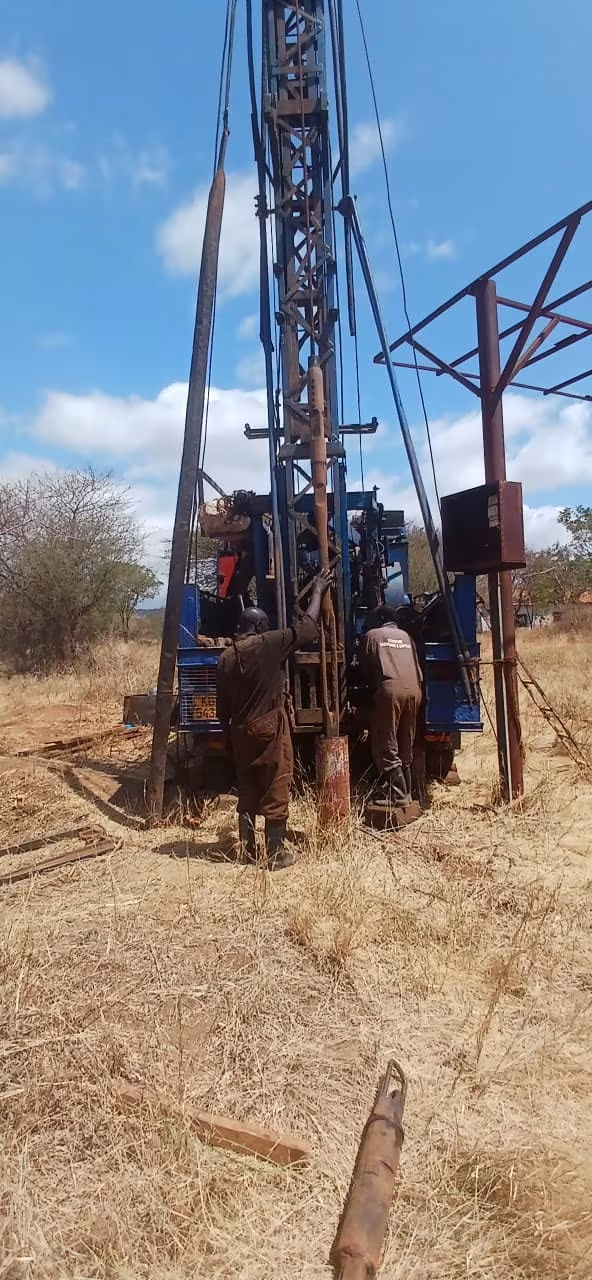
Drilling testing scope overlap needs clarification when development or testing appears in more than one quotation line. Similar wording can describe duplicated commitments, separate activities or a bundled item repeated for information. Establish what each line supplies before adding or subtracting amounts. Terminology alone does not prove a double charge.
Explore Masterpiece Hydro-Solutions borehole drilling services and request a quotation enquiry with clearly separated outputs. Confirm the available scope. Send the complete proposal pages and identify the lines that appear to overlap so the provider can explain their relationship rather than respond to an isolated phrase.
Identify whether the lines belong to one offer
A schedule may show a bundled total and then repeat its components as an explanatory breakdown. Another document may list genuine additional options. Ask the issuer which lines contribute to the total and which provide information. Do not assume every visible amount is additive.
Check the offer version and attachments. A revised page may replace an earlier allowance rather than add another one. Ask which schedule governs the current proposal and retain the revision history. Comparing unrelated versions can create an apparent duplication that the supplier did not intend.
Also identify whether separate businesses have quoted connected tasks. A drilling contractor and an independent testing provider may both include an activity because each assumed it was responsible. That interface requires clarification before appointment, not an automatic accusation that either business has billed twice.
Define drilling testing scope overlap by purpose
Ask each provider to explain what its named activity is intended to achieve within the actual proposal. Request the output in buyer-level language. A general label can conceal different purposes, while different labels can sometimes refer to the same promised outcome.
Keep the technical method with qualified practitioners. The owner does not need to choose pumping settings, compressed-air arrangements, chemical treatments or other hazardous methods to compare the offers. It needs to understand the purpose, boundaries and evidence of completion for each commitment.
Ask how the activities relate in the proposed sequence. One output may inform a later assessment rather than replace it. The qualified provider should explain that dependency without suggesting that every project needs the same method or a universal duration.
Compare outputs before comparing prices
| Quotation feature | Clarification to request | Why the answer matters |
|---|---|---|
| Activity description | What task does this particular line cover? | Similar labels may hide different boundaries |
| Purpose | Which project question or stage does it address? | One task may not replace another’s evidence |
| Quantity basis | What unit or defined scope supports the price? | Headline amounts may not be comparable |
| Report or record | What owner output is included? | Attendance alone may not supply the promised evidence |
| Relationship to bundle | Is it included, additional or explanatory? | The same amount should not be added twice in the owner’s summary |
Use the provider’s actual answer beside each line. If the response remains only included in package, ask which package commitment it fulfils and whether the total already contains it. A clear mapping is more useful than a discount offered without resolving the scope description.
Check what the agreed evidence must support
The Water Resources Authority permitting guidance distinguishes construction from subsequent permitting and associated project evidence. Ask the relevant authority or qualified adviser what current outputs apply to your project. Do not remove a report commitment merely because another line contains the word testing.
The WRA groundwater assessment and monitoring information provides official context for professional source assessment. It does not establish that every similarly named service produces equivalent evidence. Ask the qualified parties what their actual findings and limitations would address.
If another installer will use the resulting report, identify its information need before deleting an apparently overlapping service. It may need a particular evidence basis that a different activity does not supply. Conversely, it may confirm that an existing agreed output is sufficient, avoiding unnecessary duplication.
Use drilling testing scope overlap to clarify report ownership
Ask who records the observations, authors the report and supplies the owner copy. Two prices may include different reporting roles, or both may assume the other party provides interpretation. Neither a duplicate field task nor a missing report should be hidden behind similar package wording.
Where a subcontractor performs the work, ask the main provider how its output reaches the owner. Identify the agreed author and clarification route. A summary message from the main contractor is not necessarily the full promised report, while forwarding a report does not automatically establish independent technical review.
Keep source performance and water quality separate. A service relating to one may not answer the other. Ask for the relevant sampling, analysis or other assessment scope where required for the intended use rather than treating a general test line as proof of every water-supply property.
Reconcile the arithmetic after aligning the scope
Once the provider explains the relationship, ask for a corrected or clarified schedule if needed. A duplicated commitment may be removed by agreement. An explanatory breakdown may simply need clearer labelling. Distinct activities should remain described distinctly so the owner understands the complete proposal.
Use actual quoted amounts, approved credits and stated tax treatment. Do not deduct an invented market value or apply a standard discount because two labels look alike. If the supplier revises its total, ask which scope and price changes account for the difference.
Check whether the revision removes only a repeated price or also deletes an output. A lower total can conceal a reduced service if the change is not explicit. The owner should approve the resulting scope deliberately rather than assume every earlier report and attendance remains included.
A bundled line and a separate allowance appear together
Consider a hypothetical proposal whose main package mentions testing, while an attached schedule lists a separate testing allowance. The owner adds both to its budget, then asks for one to be removed. The supplier says the attachment explains the package, but the document never made that relationship clear.
The first useful question is whether the allowance was included in the stated total or genuinely additional. Ask for an issuer-confirmed schedule linking the lines. If the allowance is explanatory, correct the owner’s summary without inventing a supplier credit that the offer never required.
If the lines instead represent separate tasks, ask for their purposes and outputs. The owner can then decide whether both are needed with qualified advice. Where another provider offers one task, coordinate the responsibility before deleting it from the first proposal so no gap remains.
Keep different evidence questions visible
A construction-related activity, a source-performance assessment and a quality investigation should not become one vague test result. Each has its own purpose and limits. Ask the qualified provider to explain which questions its proposed scope addresses and which remain outside it.
Do not turn a satisfactory observation into a guarantee of sustainable supply under every future condition. Likewise, a recorded depth does not define the final pump duty. The equipment provider still needs the appropriate source evidence and current operating brief for its own qualified selection task.
These distinctions help compare complete offers without prescribing technical procedures. The buyer can ask for clear outputs while allowing competent practitioners to determine suitable methods under the relevant project requirements.
Close drilling testing scope overlap before appointment
Retain the clarified scope, current total and provider explanation together. Identify which earlier page is superseded. The next project contact should be able to see whether a line was removed, relabelled or retained as a distinct commitment.
At completion, compare the supplied outputs with that revised agreement. An earlier pricing clarification should not cause a retained report to disappear from the handover list. Keep any unfinished deliverable assigned to its agreed owner and route.
Questions about apparently repeated testing prices
Do matching words prove the supplier charged twice?
No. Ask whether the lines are additive, explanatory or refer to different tasks. Review the complete current offer before drawing a conclusion. A clear issuer explanation can resolve a document ambiguity, while an actual overlap should be addressed through an agreed scope and price revision.
Should we remove the more expensive line?
Price alone cannot show which output the project needs. Compare purpose, scope and evidence with qualified advice. Removing a line without understanding it may leave a missing assessment or report, even if another part of the package uses similar terminology.
Can one contractor rely on another’s test report?
Ask the receiving qualified provider what evidence it can accept for its scope and what clarification it needs. Do not assume automatic acceptance or mandatory repetition. Preserve the full relevant report and its limitations so the provider can explain its decision.
What if the proposal never specifies a report?
Ask what output the service includes and whether a written report is needed for the intended decision or current project process. Agree that before appointment where possible. Do not assume an attendance price includes unlimited interpretation and every later recipient’s requested format.
Does a reduced total mean the scope is unchanged?
Only the revised offer can confirm that. Ask whether the provider removed duplicate pricing, deleted work or changed another assumption. Keep the accepted outputs visible so a commercial correction does not silently become a reduction in evidence or service.
What if clarification arrives after work starts?
Preserve the original proposal and obtain a dated explanation or agreed revision. Identify completed tasks and pending outputs separately. Avoid editing old records to imply the scope was always clear, particularly where authority, price or delivery remains disputed.
For drilling testing scope overlap, compare the purpose and output of each line before changing the total. Request a clearly defined drilling quotation enquiry and confirm which activities and reports the accepted package actually includes.