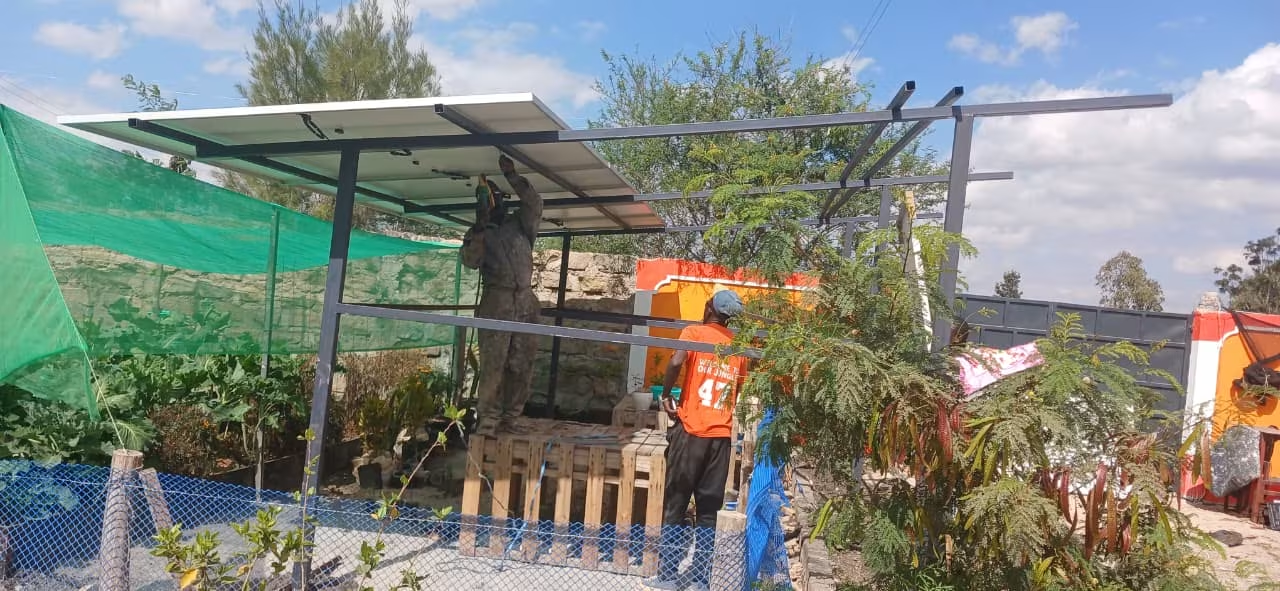
Early solar equipment delivery needs a clear record of what arrived and who accepts custody before installation begins. Receipt is different from suitability assessment and commissioning. First, identify the actual items against the order. Then record discrepancies, outstanding deliveries and the next professional responsibility without treating a site signature as proof that the water system works.
Explore Masterpiece Hydro-Solutions borehole solarisation services and enquire about the later installation and assessment scope. Confirm the proposed service. Explain that equipment may reach the site first so the provider can state its actual boundary before the owner assumes the installer has accepted delivered items.
Define why the equipment is arriving now
Ask the supplier which order and project stage the delivery serves. Also, identify whether the installation date is confirmed or conditional. A shipment can be commercially planned while the site still has unfinished professional work or unresolved interfaces.
Next, identify the party receiving the items and its actual authority. The owner, caretaker and contractor may have different roles. The project should state who can record receipt, who controls custody and who later reviews technical acceptance.
Also, keep the delivery arrangement separate from an operating promise. No water-production result follows simply because panels or controls have arrived. The later installation still needs an accepted scope, appropriate assessment and relevant commissioning evidence.
Record early solar equipment delivery against a named schedule
Use the current approved equipment list and supplier documents. Ask the responsible parties to identify exact models and quantities where the scope requires them. A total number of boxes does not automatically describe every item inside or establish a complete package.
Trinasolar’s Vertex Series user manual refers to product type, serial-number and package identity information for its listed modules. Ask for the relevant identity information and documentation for the actual delivered equipment. Do not apply another product’s manual as though it certifies the received items.
Early solar equipment delivery should leave a traceable link between the order and the received record. If an item cannot be identified safely at that stage, mark the question for the responsible qualified provider rather than guess or attempt technical access.
Distinguish several meanings of accepted
A receiving record may describe identity, quantity or the visible condition safely observed. A later assessment may concern suitability. Commissioning then addresses an agreed installed service. The project needs to identify which meaning each record actually uses.
Next, read the relevant terms before relying on a signature or document label. This guide does not determine its legal effect. Ask for clarification and appropriate advice if a specific contractual interpretation matters.
Also, preserve limitations. An owner should not record that hidden contents were checked if no appropriate assessment occurred. A clear pending-review status can provide more useful information than an unexplained statement that everything was accepted.
Use a delivery-status table
The following table helps the parties describe what they know. It does not provide handling, unpacking or storage procedures. The relevant product requirements and qualified arrangements should guide those technical activities.
| Status | Record question | Next responsibility |
|---|---|---|
| Named item received | Which order reference and identity support the entry? | Confirm the agreed receipt record |
| Quantity unresolved | What could and could not be checked appropriately? | Ask the responsible supplier to clarify |
| Different model appears | Was a substitution proposed and approved? | Obtain suitability and commercial explanation |
| Item remains outstanding | What part of the package has not arrived? | Confirm current supplier information and programme effect |
| Technical acceptance pending | Which qualified assessment remains? | Keep the installation decision separate |
| Custody transferred | Who has accepted the actual interim role? | Retain the agreed scope and terms |
Next, use specific descriptions rather than a single complete-delivery label. The owner should be able to tell which decisions remain open after the vehicle leaves.
Clarify custody during the gap
Ask the actual supplier and relevant contractor what requirements apply before installation. The owner needs a defined arrangement rather than instructions copied from another product or project. Qualified personnel should advise on product-specific technical needs.
Next, identify access and reporting contacts. If the installer has not accepted custody, the record should not imply that it has. The parties should clarify their own commitments instead of assuming equipment on site automatically belongs within another contractor’s scope.
Early solar equipment delivery should also identify the route for a later concern about the received items. Record safely accessible observations and contact the responsible provider. Owners should not move, connect or test equipment independently to settle a condition question.
Consider an incomplete package scenario
Consider an educational scenario where panels arrive before the named controller and the installation team has not yet attended. No actual supplier, delay or product condition is implied. The owner receives a document describing equipment for the project.
First, the receiving record identifies the arrived items and outstanding part. Next, the supplier confirms current information about the remaining commitment. The installer explains which assessment and site conditions it needs before work can proceed. The owner does not treat partial delivery as a commissioned package.
This scenario shows why early solar equipment delivery needs an item-level status. A broad reference to the whole project can hide an unresolved dependency. Clear records help the owner coordinate the next step without inventing a guaranteed arrival or installation date.
Connect delivery information with invoices carefully
Ask which milestone or supplied items a progress invoice represents. Then compare it with the current order and delivery record. The owner should understand whether the invoice concerns equipment received, an agreed advance or another actual contractual category.
Next, separate that explanation from technical acceptance. This guide does not decide payment entitlement. The relevant terms and appropriate advice should address a specific dispute, using clear evidence of the actual scope and event.
Also, identify tax treatment and any revised quantity or model. A delivery discrepancy should not silently change the commercial schedule. Request the supplier’s written explanation and retain the current issued proposal.
Preserve the route for product concerns
Keep supplier documents and the relevant product terms with the received record. Grundfos’s warranty policy illustrates why actual agreements and exclusions matter. It does not establish the terms of another supplier or product.
Next, ask what evidence the relevant seller requires if a concern is reported. Product identity, transaction records and safely observed condition can serve different purposes. Do not assume the installer must diagnose every delivery issue before it has accepted a scope.
Early solar equipment delivery should not become an unsupported warranty-start or ownership conclusion. Record the dates and actual commitments, then seek clarification where their contractual significance matters. The owner needs a usable evidence trail rather than an assumed universal rule.
Transfer the record to the installation team
Before installation, provide the approved schedule, received-item record and outstanding questions. Also, identify any supplier-proposed substitution. The qualified provider should know what actually reached the site rather than rely only on an earlier quotation.
Next, ask who confirms suitability for the complete pumping arrangement. Source yield, equipment capacity and user demand remain different. Physical possession of panels cannot establish groundwater production or that every retained component suits the proposed duty.
Also, agree how any additional finding changes scope. The provider should explain the evidence and commercial effect through the authorised route. A receiving record should not become an instruction to install every item regardless of the assessment.
Close early solar equipment delivery in the final asset file
The final record should identify which delivered items were installed, remained unused or required another decision. Link approved changes and relevant supplier communication. A future practitioner needs the actual arrangement rather than an assumption that every purchased item became part of the system.
Next, connect the equipment schedule to commissioning evidence and normal-use information. Qualified personnel must choose and perform technical checks. The owner should receive clear outcomes without conducting electrical or pressure tests itself.
Early solar equipment delivery becomes useful history when the file preserves receipt, custody and installation as distinct events. That clarity supports service and cost review without pretending that one early signature established every later project result.
Questions about equipment arriving before installation
Does receipt prove the package is technically suitable?
No. It records an event within its actual scope. The pumping arrangement still needs appropriate qualified assessment. Ask which identities and quantities were checked and which suitability decisions remain. A complete-looking delivery note does not replace that evidence.
Should the owner open or test every item?
Ask the responsible provider what safe and appropriate arrangements apply. This guide gives no unpacking, electrical testing or handling instructions. The owner can preserve documents and safely accessible observations without undertaking specialist work.
Who holds responsibility during a delayed start?
Clarify the actual custody and contract terms with the parties. Do not assume that the later installer accepts every interim duty. Record what each party agreed and seek appropriate advice if a specific legal interpretation is required.
What if a different model arrives?
Identify the discrepancy and request a written explanation. A proposed substitute needs the appropriate suitability and commercial review. The owner should not silently amend the approved equipment schedule or ask the installer to accept an unassessed change.
What belongs in the final handover?
Retain actual installed identities, relevant supplier terms and approved changes. Also, keep commissioning records and the status of unused items. The file should explain the journey from purchase to operating arrangement without equating delivery with successful water service.
Enquire with the delivery and order records
Gather the equipment schedule, received-item information and current installation brief. Then enquire about an installation assessment with Masterpiece Hydro-Solutions. Confirm the proposed scope. Ask for clear equipment status, qualified acceptance responsibilities and a final record that preserves what actually happened.