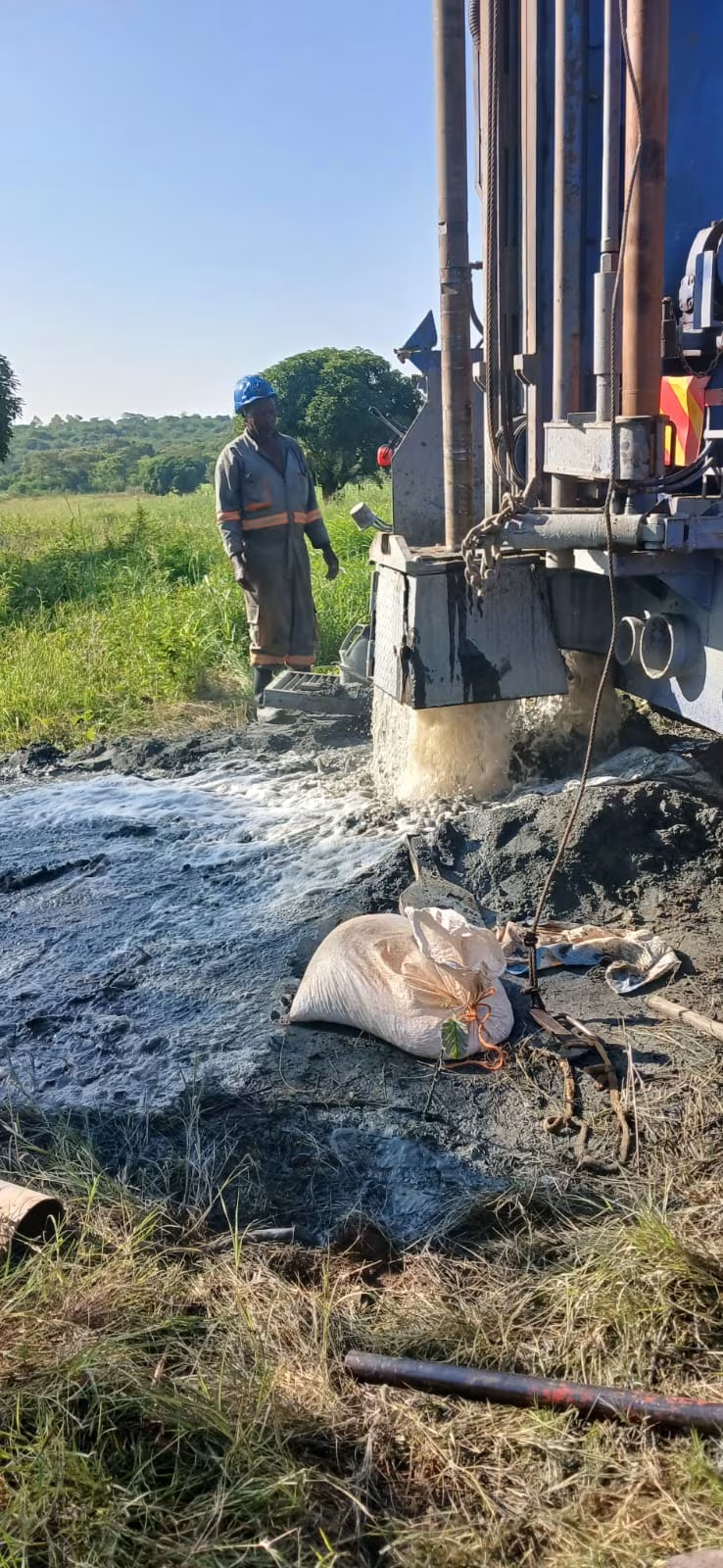
Estate borehole maintenance budgeting should connect the assets, operating evidence and decisions behind proposed expenditure. An annual allowance alone cannot explain whether the estate has planned for the right work. Therefore, separate routine observations, professional assessment and possible replacements. Keep uncertain items visible rather than presenting one unsupported figure as a complete maintenance plan.
Masterpiece Hydro-Solutions offers groundwater project services, including borehole drilling. For an existing estate system, enquire about an appropriate assessment and its available scope. Include the asset records and current concern. Do not assume a fixed maintenance contract or response arrangement is available without confirmation.
Start estate borehole maintenance budgeting with the assets
First, identify the system the estate actually operates. The borehole, pump, power arrangement, storage and distribution may have different histories. List them separately using reliable records. A general line called water-system maintenance can hide which asset needs assessment and which contractor’s scope applies.
Next, identify equipment details and available commissioning information. Also, record significant changes since installation. The current asset list should describe the installed arrangement rather than repeat an old quotation. Where information remains missing, label the gap and ask what professional inspection could clarify it.
Finally, name the person responsible for keeping the file current. A caretaker may observe normal operation, while the committee approves expenditure. Those roles need clear communication. A new committee should not have to reconstruct the system from invoices or one former manager’s memory.
Separate planned work from conditional expenditure
Ask qualified personnel what current assessment the assets require and what evidence supports it. Do not invent universal maintenance intervals from another estate’s experience. Product information, condition and operating history may inform the proposed plan. The budget should identify its actual basis.
Also, distinguish work already recommended from work that depends on future findings. A condition assessment may reveal the need for another proposal without completing the remedy. Keep that stage separate. The committee can then approve investigation without unknowingly committing to an undefined replacement.
Next, identify emergency expenditure as an uncertainty rather than a promised repair price. The estate may reserve funds through its own planning process. However, the reserve does not establish what a future fault will cost. Actual scope and quotations still need assessment when the concern arises.
Structure estate borehole maintenance budgeting by decision
| Budget area | Evidence behind it | Approval question |
|---|---|---|
| Professional assessment | Current concern and asset information | What decision will the assessment support? |
| Recommended maintenance | Relevant findings and product information | Which defined tasks does the proposal cover? |
| Operating expenditure | Actual records and current billing basis | What period and service do the figures represent? |
| Conditional replacement | Evidence still requiring review | What finding triggers a separate proposal? |
| Water-quality assessment | Intended use and relevant analysis requirements | Which professional scope is appropriate? |
| Contingency | Committee planning assumption | Who may release funds and on what evidence? |
Use the table to explain expenditure rather than produce an invented market benchmark. Also, ask whether VAT applies and whether each quotation includes it. Keep funding decisions separate from technical findings. An approved allowance should not become an automatic instruction to spend the full amount.
Use operating records to explain priorities
Existing meter readings, tank observations and interruption records can help describe the service. Identify what each record measures and whether it covers comparable conditions. A fall in daily delivery may reflect a different operating period. The record should describe the change without diagnosing it.
Next, separate source yield, installed pump capacity and resident demand. These quantities answer different questions. More pump capacity cannot create sustainable groundwater that the source lacks. Likewise, a larger reserve fund cannot remove a technical constraint. Qualified personnel should explain which evidence the proposed expenditure addresses.
For equipment assessment, see Masterpiece Hydro-Solutions borehole equipping. Ask whether the available records support the current decision. The enquiry should identify the concern rather than assume a new pump is the next necessary purchase.
Keep electricity and water records distinct
An estate’s electricity bill may include loads beyond the borehole system. Therefore, ask what portion the budget can reliably attribute to water operations. Do not treat the whole property bill as pump expenditure. A suitably qualified assessment may help where separate information remains unavailable.
Also, distinguish energy use from the price applied to it. A bill can change when consumption, billing components or the period changes. Keep those details visible. The committee needs an understandable basis for its forecast rather than a percentage increase copied from an unrelated account.
Next, explain whether figures represent actual expenditure, a current quotation or a planning assumption. Label each category clearly. Estate borehole maintenance budgeting becomes more credible when members can trace the numbers. A neat total cannot compensate for mixed evidence or missing scope.
A scenario involving a reserve and an uncertain fault
Imagine an estate committee holds a maintenance reserve and notices slower tank filling. Some members want to spend the reserve on a replacement pump immediately. Others assume the borehole needs rehabilitation. Neither proposal yet has a current condition assessment or a clear comparison record.
First, the committee gathers the asset file and recent operating observations. Next, it requests a defined professional assessment. The accepted scope states its deliverables and any excluded work. Findings can then inform a separate remedy proposal, which the committee reviews through its expenditure process.
The reserve has supported an orderly decision without proving the original assumptions. Estate borehole maintenance budgeting should make that distinction clear. Money available for work does not identify the cause or guarantee a particular result. Evidence still needs to justify the next commitment.
Define the contractor’s scope and reporting
Ask each proposal to name the assets and tasks it addresses. Also, identify movement, access, equipment handling and exclusions. A broad service label may not explain those boundaries. If the proposal remains conditional on inspection, request the next approval point before accepting further work.
Next, agree the records the estate receives after the stage. Assessment findings, equipment information and relevant commissioning evidence should remain understandable. Ask who interprets the result and who receives questions. Do not invent response times or assume a support contract exists without written confirmation.
Also, keep owner observations distinct from hazardous work. Staff should not open electrical equipment, attempt retrieval or apply chemicals to investigate a concern. Qualified personnel must assess and perform the relevant tasks. The committee’s role is to organise evidence and approve an understood scope.
Plan replacement decisions around the required duty
The Grundfos pump selection learning resource explains required flow, head and the duty point. A replacement budget should preserve that assessment requirement. An old motor rating or catalogue price cannot establish suitability for the estate’s current service.
Also, record whether occupancy or the delivery arrangement has changed. A future extension may require a different brief without proving the existing pump has failed. Separate expansion from maintenance in the budget discussion. The assessor should know which question the estate needs answered.
Estate borehole maintenance budgeting should therefore avoid treating every equipment replacement as a like-for-like purchase. Ask which current evidence supports the selection and what the quotation excludes. A clear proposal helps members understand why the expenditure addresses the actual service requirement.
Keep quality and authority matters visible
Water appearance does not establish drinking suitability. Therefore, ask which laboratory analysis fits the intended use and what professional interpretation follows. Keep that scope separate from general mechanical maintenance. A working pump or fuller tank cannot replace the relevant quality evidence.
The WRA permitting guidance distinguishes construction authorisation from the subsequent water permit. Ask WRA about current requirements relevant to the estate and any proposed changes. A budget line or contractor visit does not replace authority confirmation.
Finally, retain accepted quotations, approvals and completed-stage records together. This supports future budgeting and factual questions about expenditure. Do not mark an item complete merely because an invoice arrived. Compare the documented work with the accepted scope and any outstanding deliverables.
Questions about estate borehole maintenance budgeting
Is there one annual maintenance amount per estate?
No figure in this guide establishes a standard allowance. Asset condition, scope and operating arrangements differ. Request current proposals for defined work and label planning assumptions. The committee should explain the evidence behind its budget rather than present an unsupported amount as a market rule.
Should a reserve cover every possible failure?
A reserve reflects the estate’s funding decision, not a guarantee of complete cover. Clarify release authority and the evidence needed for expenditure. Actual repair scope still needs assessment. Seek appropriate financial or contractual advice where the estate’s obligations require it.
Can caretaker observations guide the budget?
Normal safe observations can help describe a concern and its timing. They do not replace professional diagnosis or technical testing. Keep the records clear and state their limits. Qualified personnel should decide which further evidence supports the maintenance or replacement decision.
Should expansion and maintenance share one line?
Separate them where their purposes differ. Expansion responds to a changed service brief, while maintenance addresses the existing arrangement. Ask the assessor to distinguish those questions. This helps members understand whether the proposal concerns current condition, additional demand or both.
What should the next committee inherit?
Provide the asset list, operating records, accepted scopes and completed-work reports. Also, retain unresolved findings and relevant contacts. The file should explain past decisions without relying on individual memory. A current record supports the next assessment rather than guaranteeing future performance.
Request a budget-supporting assessment
Useful estate borehole maintenance budgeting connects assets, evidence and approval decisions. It distinguishes defined work from conditional expenditure and expansion. Gather the current file before accepting proposals. Then ask what assessment can support the next specific commitment.
Send Masterpiece Hydro-Solutions your estate assessment enquiry. Include the asset information, operating concern and available records. Ask whether an appropriate scope is available and request its deliverables, exclusions and approval boundaries.