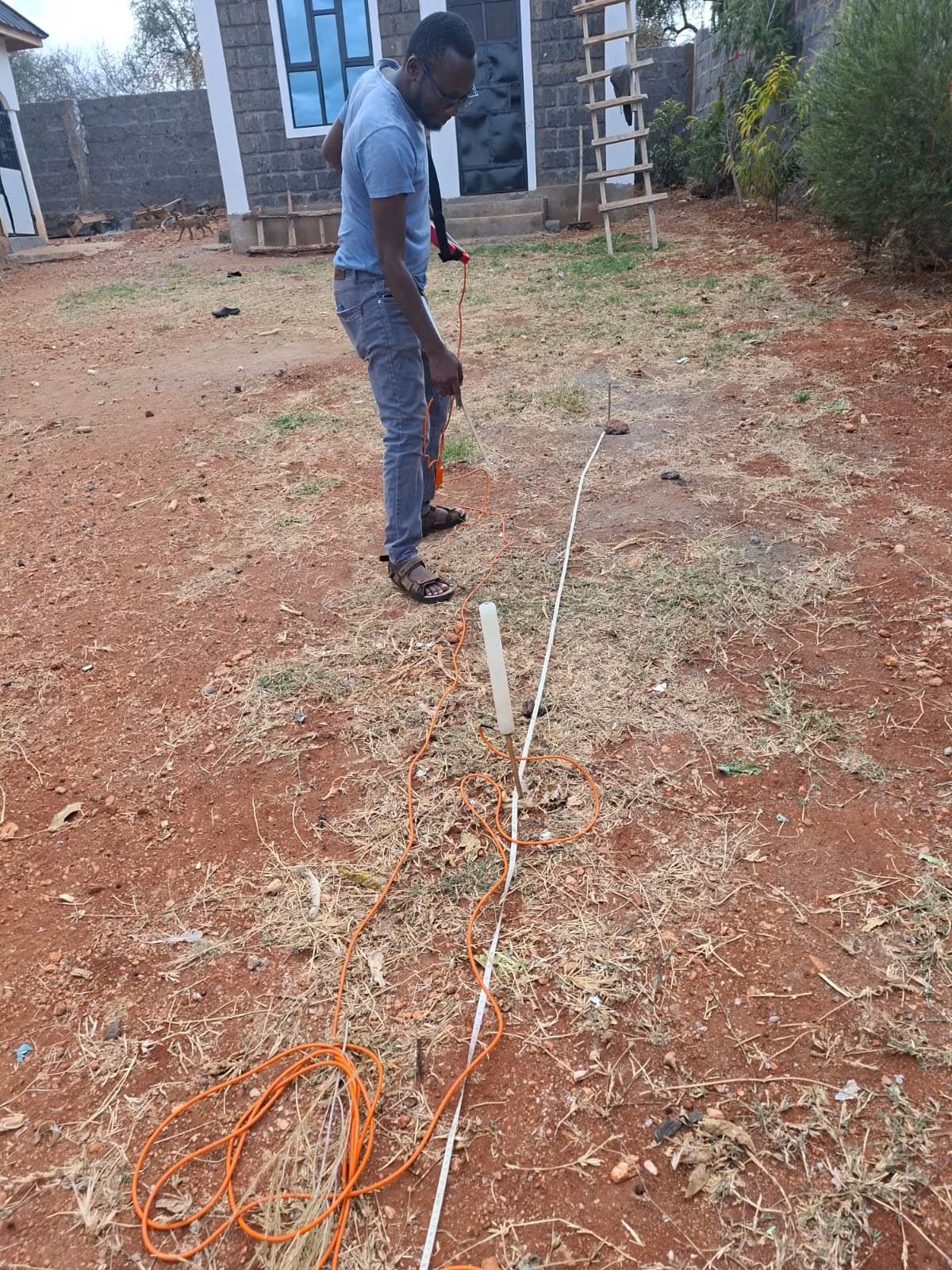
A farm groundwater survey should begin with the seasonal water problem the owner wants to solve. Livestock, irrigation and domestic use may place different demands on the same proposed source. First, describe those uses separately. Then ask how a hydrogeological assessment can inform the next investment decision without promising a particular yield.
Explore Masterpiece Hydro-Solutions hydrogeological survey services and request a farm-specific groundwater assessment. Share the location, existing supplies and planned expansion. Explain when shortages occur, rather than describing the project only as a need for more water.
Describe the seasonal supply gap
Start with the periods when the present arrangement fails to meet your needs. For example, an existing supply may serve ordinary livestock demand but leave irrigation expansion unresolved. Another farm may struggle with essential use during certain periods. These are different project briefs and require different planning decisions.
Next, separate observed shortages from future expectations. A record of empty storage describes an event, while an anticipated planting expansion describes a plan. Label both clearly. The assessor needs to understand what happened and what the owner hopes to change.
Also, identify whether the problem concerns source availability, delivery or storage. A survey investigates groundwater potential; it does not automatically diagnose every operational issue on the farm. If the existing borehole has changed performance, explain that separately so the provider can suggest the appropriate assessment.
Build a farm groundwater survey demand brief
List the main water uses and their timing. Include essential livestock needs, staff or household use, cleaning and proposed irrigation where relevant. Also, distinguish the area currently in production from planned additions. Do not let an ambitious future layout appear as existing measured demand.
Next, gather records that describe actual use. These may include consumption logs or delivery information that you already hold. State the period and basis of each record. If figures remain estimates, say so. A rough estimate can inform discussion when its limits remain visible.
A farm groundwater survey needs context rather than a guessed pump size. Tell the assessor which uses matter most during a shortage. This helps the wider project distinguish essential supply from expansion that may depend on later evidence and separate investment decisions.
Map existing sources and their roles
Describe the supplies already serving the farm and how you use them. A proposed borehole may supplement another source, provide resilience or support a new activity. Explain that intended role. The assessor should not assume the proposed groundwater source must replace every existing arrangement.
Also, share the evidence behind your view of each source’s reliability. A remembered wet-season performance and a recorded dry-period shortage offer different information. Avoid converting either into an unsupported year-round production figure. The project needs a transparent account of what the owner knows.
Next, identify storage and delivery destinations on a current farm plan. Existing capacity may affect the later operating concept, but it does not prove sustainable groundwater availability. The survey and the eventual pumping arrangement answer related but separate questions.
Use a farm groundwater survey seasonal matrix
A seasonal matrix helps the provider understand how the water brief changes. Use your actual operating calendar rather than a universal Kenyan crop schedule. The following structure organises questions without inventing demand figures or predicting local weather.
| Planning period or activity | Information to provide | Decision to clarify |
|---|---|---|
| Routine livestock operation | Current use records and essential activities | Which needs must retain priority? |
| Existing irrigation period | Crop plan, current area and observed shortages | What problem does the proposed source address? |
| Planned expansion | Additional area and timing assumptions | Which commitments depend on later source evidence? |
| Reduced existing supply | Recorded interruptions and alternative arrangements | What continuity role should groundwater play? |
| Future operating changes | New livestock, processing or production plans | When should the water brief be reviewed? |
Next, identify which entries rest on evidence and which remain plans. That distinction helps the assessor explain what the proposed investigation can reasonably support.
Share the land layout and constraints
Provide a current plan showing the areas relevant to the proposed assessment. Also, identify known services, buildings, access routes and planned works. A farm may offer substantial land while still having practical constraints around the areas where water would be useful.
Ask the provider which parts it proposes to investigate and why. Do not assume a visit covers the entire holding. The proposal should define its extent and explain any access dependencies. Qualified personnel should select suitable methods and manage fieldwork.
Also, tell the assessor about information from neighbouring boreholes that you may properly share. Include the source and uncertainty. Nearby results can provide context, but they cannot guarantee the same depth, yield or water quality on the farm.
Keep crop plans separate from groundwater promises
A planting plan describes desired production, not proof that a proposed borehole can support it. Therefore, ask which later evidence would justify expanding water-dependent activity. A pre-drilling assessment can inform the next step, while drilling and source testing establish different information.
Also, explain any commitments already made around the expansion. If the owner has ordered equipment or agreed a production schedule, the assessor should understand that context. However, urgency cannot turn uncertain groundwater potential into confirmed supply. The project still needs evidence-based decisions.
A farm groundwater survey should help define those decision gates. Ask what finding would support further investment and what uncertainty would prompt a pause or revised plan. This makes the assessment useful even when it cannot offer the certainty the owner initially hoped for.
Work through an irrigation-expansion scenario
Consider an educational example where an owner wants to add an irrigated block while preserving essential livestock supply. No actual farm or water result is implied. The existing source serves present operations, but the owner has no measured evidence for the proposed additional demand.
First, the owner shares current-use records and labels the expansion assumptions. Next, the assessor defines a groundwater investigation linked to that brief. If later drilling proceeds, source testing informs whether the expansion plan needs revision. The owner does not order a complete pumping package from the survey recommendation alone.
This scenario gives a farm groundwater survey a specific planning purpose. The assessment helps sequence investment while protecting clarity about essential use. It does not promise that the desired additional production will fit the future borehole’s sustainable capability.
Check farm groundwater survey recommendations
Request a report that connects the investigation to its conclusions. Ask which records and observations support the recommendation and which limitations matter. Also, identify the surveyed area and any proposed next location clearly. The owner should not need to guess how the map relates to the farm.
Next, ask whether the recommendation depends on the current demand brief. If the owner later adds another use, the professional may need to review applicability. A survey report should remain a record of its actual brief, rather than silently expand to cover every future activity.
Finally, distinguish potential from measured production. A recommended drilling option does not establish daily output or irrigation capacity. The provider should explain what later work would answer those questions and which decisions remain premature at the survey stage.
Confirm the permission and allocation position
Use the Water Resources Authority’s water-use allocation guidance and confirm current requirements directly for the proposed activity. Ask which information the authority needs about the intended use. Do not assume an existing source or a farm’s ownership settles every permission question.
Also, identify who coordinates relevant submissions and completion records. The survey provider may offer report preparation without managing every later stage. A clear responsibility list helps the owner understand what remains to arrange. Assistance does not guarantee the authority’s decision.
Keep the proposed operating brief consistent with the project you discuss. If the intended use changes materially, ask the relevant professional and authority what needs review. Avoid relying on a report or correspondence describing a different activity.
Plan equipment and quality decisions later
If the evidence supports progressing, explore borehole drilling services through a defined next scope. Later source information and the required duty inform equipment selection. A survey recommendation alone does not identify a universally suitable pump, panel count or operating schedule.
Also, distinguish water quantity from suitability for each use. Appropriate laboratory analysis and the intended application guide quality-related decisions. Do not assume that clear water suits livestock, crops, food-related activity or drinking. Ask qualified specialists which evidence the project needs.
Finally, keep delivery and storage questions visible. Water at the source still needs an assessed route to its destination. A farm groundwater survey can inform the project sequence, but it does not replace the later hydraulic design or guarantee service at every field and building.
Questions about farm survey planning
Should I survey before deciding which crop to grow?
Explain the production options you are considering and the decisions they depend on. The assessor can then define how groundwater evidence may inform that planning. However, a survey cannot guarantee irrigation supply. Later source testing and appropriate agricultural advice may still affect the final production decision.
Can a nearby successful borehole prove my farm has water?
It can provide context, but it does not prove the same result on your land. Share relevant records with their source and limits. The qualified assessor should explain their role in the investigation. Do not copy a neighbour’s depth or daily output into your own project as a guarantee.
What if my greatest demand occurs during a dry period?
Make that timing central to the brief and share the evidence behind it. Ask how the assessment addresses uncertainty and what later testing would establish. Also, separate essential use from flexible expansion. Do not assume a survey visit alone proves reliable production throughout the period you need most.
Does the survey select the irrigation pump?
Not by itself. Pump selection needs suitable source evidence and a defined flow and head requirement. Delivery routes and intended use also matter. Ask which later assessment will address that duty. Choosing equipment too early can detach the purchase from the actual borehole and farm operating plan.
What should I send with the first enquiry?
Provide the location, current farm layout and available reports. Also, describe existing supplies, seasonal shortages and planned water-dependent changes. Label estimates and identify essential activities. This gives the provider a practical basis for a survey proposal without inventing precise demand or groundwater results.
Request an assessment matched to the farming calendar
Gather your use records, seasonal observations and expansion assumptions. Then request a farm groundwater assessment from Masterpiece Hydro-Solutions. Ask for a defined investigation, clear uncertainty and a staged next decision. Those details help connect the survey to farming priorities while keeping future water commitments dependent on evidence.