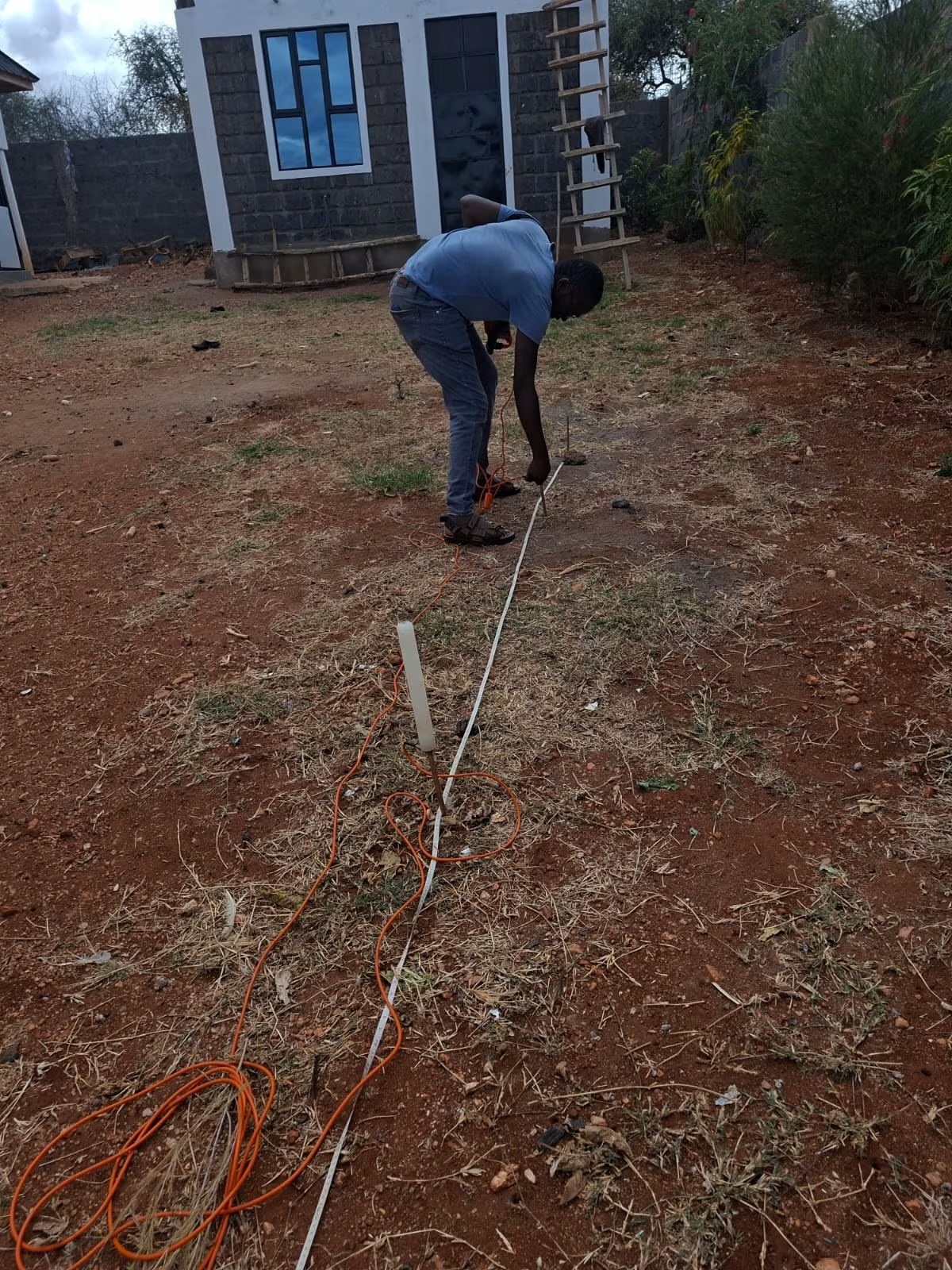
Groundwater survey seasonal timing should reflect the evidence needed for the actual assessment and the conditions affecting safe access. There is no useful universal answer based only on a month name. Owners should ask how the surveyor considers water-level history, field conditions and the limitations of observations collected at one time.
Explore Masterpiece Hydro-Solutions hydrogeological surveys and request a survey quotation with timing assumptions explained. Provide existing records and known access constraints. Confirm which assessment may be available and what information the professional needs before recommending a field programme.
Ask what the visit is intended to establish
Begin with the survey’s decision purpose. Reviewing a location, collecting a particular dataset and interpreting existing water-level evidence may involve different timing questions. The professional should explain why the proposed visit suits the actual scope rather than offer a blanket claim about the best season everywhere.
Identify which conclusions will remain provisional after the visit. A field assessment records conditions and observations relevant to its methods. It cannot demonstrate every future groundwater condition simply because it takes place in a period the owner considers dry or wet.
Tell the surveyor about the commitments depending on the result. A supply-dependent development needs a clear distinction between a siting recommendation and later source-performance evidence. The schedule should support the next informed decision without turning urgency into an unsupported guarantee.
Connect groundwater survey seasonal timing with level history
The USGS explanation of changing well levels identifies pumping, recharge and seasonal effects as relevant influences. This general resource does not predict the pattern at a Kenyan site. Ask the qualified assessor which local records and conditions support the interpretation.
Where historical measurements exist, ask whether their dates, references and operating conditions are clear. A pumping measurement and a non-pumping observation describe different circumstances. Comparing them without context can create an apparent seasonal change that the available evidence does not actually establish.
Also ask whether nearby records reasonably inform your property. An identified borehole with an appropriate history may contribute useful context, but a neighbour’s undated recollection cannot establish a precise seasonal range. The report should explain the weight and limitations of each source.
Keep the calendar separate from the evidence
A month label does not describe the actual groundwater or field conditions by itself. Ask the professional to explain the basis for the proposed timing. The answer should relate to the site and method, with uncertainty preserved where relevant information is missing.
Do not copy a foreign seasonal pattern into a local decision. Published examples can explain concepts while describing a very different setting. The responsible professional should identify the evidence relevant to your project rather than transfer another region’s highest or lowest water-level period as a universal rule.
Likewise, recent rain does not provide a complete source-performance forecast. Ask what the available observations support and which later test evidence remains necessary. The owner should avoid assuming that either a wet-looking surface or a dry compound determines the groundwater outcome.
Use a timing-evidence comparison
| Planning input | Question for the surveyor | Assumption to avoid |
|---|---|---|
| Historical levels | Are dates, references and pumping conditions comparable? | Any two measurements establish a seasonal trend |
| Recent conditions | What do current observations mean for this method? | Today’s surface appearance predicts groundwater output |
| Field access | Which routes or areas need assessment? | A visit date guarantees safe access |
| Project programme | Which later decisions depend on the assessment? | Urgency makes unresolved evidence less important |
| Further monitoring | What decision could additional history change? | Waiting automatically removes uncertainty |
Use the table when discussing the proposed programme. It keeps logistical preference separate from evidence quality. A convenient appointment may be workable, but the report still needs to explain its observation limits and the information required at subsequent stages.
Review access before confirming the field date
Tell the provider about known seasonal access issues, shared entrances and areas that become difficult to reach. Supply dated observations where useful and label their circumstances. The competent team should assess suitability for its actual work rather than rely on the owner’s general statement that vehicles usually get through.
Ask which preparations belong to the owner and which require the provider’s assessment. Do not improvise ground works, move electrical equipment or enter restricted areas to make an appointment happen. Relevant preparation needs a defined scope and appropriate professional responsibility.
Agree how changing conditions will be communicated before the visit. Identify the contact route and who can review the programme. A useful update states the observed change without diagnosing technical implications the owner cannot establish. The provider can then explain the appropriate next decision.
Consider two differently timed water-level records
Imagine a hypothetical owner holding two level figures from different months. One comes from a drilling account, while the other was observed during operation. The owner attributes the difference entirely to season. The documents, however, do not show comparable conditions or a clear common reference.
The surveyor should examine the original context and explain whether the figures can support that interpretation. They may identify useful information, an unresolved gap or a need for appropriate further evidence. The owner should not create a precise seasonal range simply by subtracting unlike observations.
This example does not prescribe a monitoring schedule or measurement method. Qualified parties should determine the actual scope and safe arrangements. It shows why dates are necessary but insufficient: the conditions, identity and references behind the observations matter too.
Ask when groundwater survey seasonal timing needs more evidence
If the professional recommends additional history or a later assessment, ask which uncertainty it addresses. The proposal should explain what a possible result could change. A clear purpose helps the owner distinguish useful information from waiting without a defined decision benefit.
Ask what can reasonably be concluded now and what must remain conditional. Some projects may make a next-stage decision while retaining uncertainty; others may depend on a gap that requires more work. The qualified adviser should explain that judgement in relation to the actual project need.
Do not demand a universal monitoring period or guaranteed future minimum from limited observations. The appropriate scope depends on the question and available evidence. Any stated expectation should retain its assumptions rather than appear as a promise that future groundwater conditions cannot differ.
Keep later test and equipment decisions separate
A survey recommendation does not establish sustainable abstraction by itself. Ask the responsible professionals about appropriate source testing and interpretation at the relevant stage. An assessed pumping arrangement also needs the actual delivery duty, not merely a predicted depth from a report.
Drilled depth, static level, pumping water level and pump setting describe different things. Preserve those distinctions when discussing seasonal information. An owner should not recommend lowering equipment or increasing pump capacity on the basis of an informal level comparison.
Water quality remains separate again. A survey date or apparent seasonal abundance cannot establish drinking-water suitability. Ask about appropriate analysis and intended-use advice. Neither a promising geophysical result nor clear-looking discharge answers every quality question.
Document timing assumptions in the final report
Ask the report to identify visit dates, relevant conditions and the records used to assess seasonal context. The author should explain what those dates support and what remains unknown. Keep limitations visible in any summary sent to managers or other decision-makers.
If the planned visit changes, record the reason and relevant professional review. A scheduling change may be logistical, technical or both. The final record should not imply that the original timing rationale still applies automatically when the actual assessment took place under different circumstances.
The WRA permitting information distinguishes construction authorisation from later water permitting. Ask qualified advisers about applicable project conditions and stage dependencies. Choosing a survey date does not establish that every later activity is authorised or ready to proceed.
Questions about choosing a date
Is there one best month for every groundwater survey?
No universal month follows from the topic alone. Ask the provider to explain timing against the actual method, site information and decision purpose. A useful recommendation states its basis and limitations rather than relying on a broad seasonal slogan.
Does a dry-season visit guarantee the lowest groundwater level?
Do not assume that conclusion. Ask which local evidence supports the assessment and what the observations actually represent. A visit at one time cannot prove every future minimum or eliminate the effects of different pumping and recharge conditions.
Should I postpone until every uncertainty disappears?
Ask which gaps materially affect the next decision and what additional work could address them. Some uncertainty may remain even after more evidence. The professional should explain the decision basis instead of promising that waiting will provide complete knowledge.
What should I send before the visit?
Provide available historical records, known access issues, site identity and the decision you need to make. Label estimates and recollections. Ask what further information the assessor requires and how changing conditions should be reported through the agreed project contact.
Request an evidence-based field programme
Useful groundwater survey seasonal timing connects observation context, access and the next project decision. Ask for the proposed date’s reasoning and the evidence still required afterwards. A clear programme preserves uncertainty without turning a calendar choice into a guarantee about groundwater.
Request a hydrogeological survey quotation with timing reviewed. Share the available history and known site constraints. Confirm the professional scope, update route and report limitations before relying on the proposed visit as the answer to every seasonal supply question.