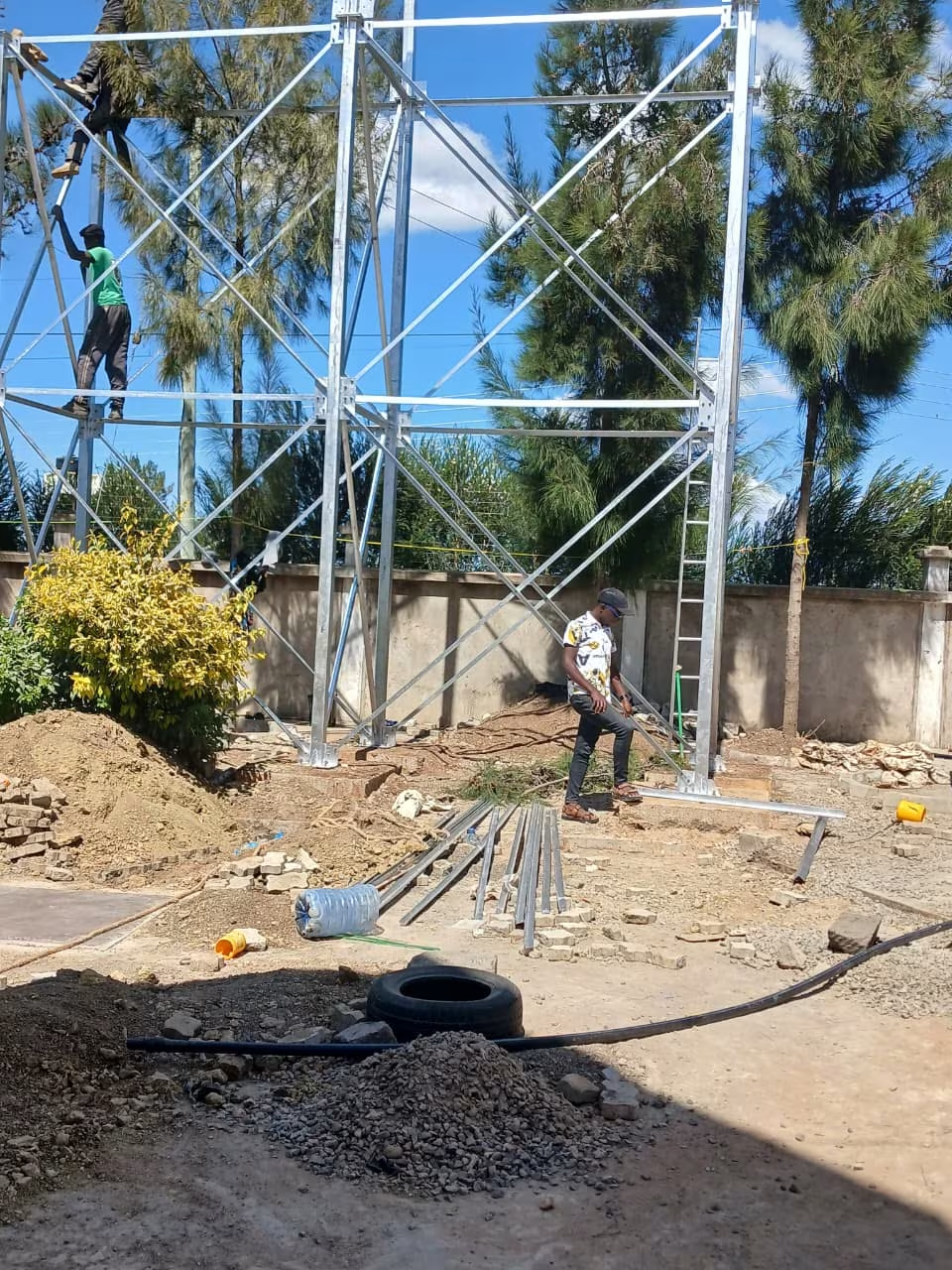
Food processing borehole supply needs a process-specific brief and a clear place within the facility’s food-safety responsibilities. A running pump does not establish that water suits every production use. First, identify intended applications with the responsible team. Then assess source evidence, delivery duty and the quality decisions required before equipment becomes a supply commitment.
Explore Masterpiece Hydro-Solutions borehole equipping services and enquire about an assessed food-facility supply scope. Confirm the proposed service for your site. Share the approved process brief and source records without assuming that a general pumping package provides complete food-use approval.
Map the actual intended uses
Ask the responsible facility team to identify where water enters the operation. Ingredient use, product contact, cleaning and utilities may create different questions. The project should not collapse them into one undefined process-water label. Relevant specialists must establish the appropriate requirements.
Next, distinguish existing processes from planned additions. A new line may change both the volume and service pattern. Label future assumptions separately from measured current consumption. The pumping provider needs a defined requirement rather than responsibility for inventing production standards.
Also, identify who can confirm the brief and approve changes. Production, engineering and food-safety teams may hold different information. The supplier should receive a coordinated scope so that an equipment recommendation does not rely on conflicting informal instructions.
Base food processing borehole supply on source evidence
Provide relevant test-pumping results and water-level information. Ask the qualified practitioner which abstraction basis those records support and what uncertainty remains. Source yield, installed pump capacity and process demand are different. A larger motor cannot establish sustainable groundwater available for more production.
Next, identify known changes since testing or earlier equipment selection. The existing records may remain useful while requiring review for the current facility. If information is incomplete, ask which further assessment would improve the decision before committing to a new water-dependent process.
Food processing borehole supply should retain that evidence boundary. A desired daily volume is a requirement to assess, not proof of production. The project should make the next commitment only after the responsible professionals explain what the available information supports.
Define process duty separately from daily totals
Obtain the relevant service requirements from the process and equipment specialists. Also, identify which uses may occur together. A daily volume and a short-period delivery duty answer different questions. The pumping proposal needs both where they affect the intended operating arrangement.
Next, show source, storage and process interfaces on a current layout. The Grundfos pump-selection resource explains why required flow and head inform selection together. Ask the practitioner to assess the actual route and destination rather than select equipment from production capacity alone.
Also, distinguish borehole-to-storage filling from delivery into a process. A supplier can accept one scope without accepting the other. Identify who assesses the downstream duty and confirms the interface before treating an outlet demonstration as proof of complete process service.
Keep suitability with the responsible food-safety team
Codex’s explanation of its water-use guidance describes a risk-based framework for assessing water against its intended purpose in food production. Use that principle to involve the appropriate facility specialists. This article does not determine whether your source meets a particular process requirement.
Also, clear groundwater and successful pumping do not establish suitability. The responsible team should define appropriate laboratory evidence, interpretation and any further assessment. The equipment provider should state which quality-related work, if any, it includes.
Next, identify how the source enters the facility’s existing approval and management process. Do not select treatment, chemical additions or monitoring limits from a general procurement article. Qualified professionals must assess the actual water, intended application and required decisions.
Coordinate food processing borehole supply interfaces
The following table helps the owner assign decisions without asking a pumping contractor to define the whole production system. It does not prescribe food-safety limits or technical methods. Actual requirements need the relevant qualified assessment.
| Interface | Question to resolve | Responsible evidence |
|---|---|---|
| Production plan to demand | Who confirms process volumes and timing? | Facility-led service brief |
| Source to pumping arrangement | What yield and duty basis supports selection? | Relevant tests and manufacturer-based explanation |
| Water to intended application | Who determines suitability and further assessment? | Appropriate analysis and food-safety interpretation |
| Storage to process equipment | Who confirms downstream delivery? | Defined service interface and qualified design |
| Changed operation to revised supply | Who initiates review before the change? | Updated brief and documented decision |
Next, resolve any unowned task before the equipment order. Separate suppliers completing their individual packages does not automatically establish a suitable, coordinated facility supply.
Plan storage around the production pattern
Explain when the process needs water compared with available source operation. Storage may help bridge those timings, but it needs an assessed replenishment basis. A tank cannot indefinitely cover repeated demand above sustainable production.
Next, distinguish nominal capacity from useful operating volume and any protected reserve. The practitioner should explain the assumptions it uses. Facility management should confirm the purpose of the reserve and how it fits the operating plan.
Food processing borehole supply also needs a clear boundary around retained tanks and other components. Ask who assesses their suitability for the proposed arrangement. A new source or pump does not automatically establish that all existing storage and distribution remain appropriate.
Define continuity without promising every process can continue
Identify the interruption the facility needs to manage. Power loss, equipment failure and reduced source production are different. A compatible backup power arrangement may address one event while leaving the others unresolved. The proposal should state its actual role.
Next, ask the responsible facility team to define operational priorities and response decisions. The borehole provider should assess its supplied scope rather than invent process-continuity rules. Management needs to understand what reserve and alternatives support the brief.
Also, name the person who monitors relevant indications and contacts qualified service. Staff should not bypass protection, alter electrical settings or undertake unassessed treatment to keep a production line running. The project needs a clear professional escalation route.
Use a new-processing-line scenario
Consider an educational example where a facility adds a line after its earlier borehole installation. No actual processor or source result is implied. The new activity introduces a different duty and possibly a different intended water use.
First, the facility team defines the revised process requirements and suitability decisions. Next, the pumping practitioner compares the new duty with source evidence, storage and retained equipment. The responsible specialists identify any additional quality assessment before the owner treats the earlier installation as suitable for the new line.
This example shows why food processing borehole supply needs a formal review point for change. A working pump can remain useful without proving every new application. The next commitment should follow the revised facility brief and appropriate evidence.
Review food processing borehole supply quotations
Ask the proposal to separate assessment, equipment, installation and commissioning. Also, identify quality-related exclusions and the process interface. The supplier should state what it can demonstrate and which decisions require another professional scope.
Next, clarify tax treatment, offered warranty terms and variation arrangements. Ask how additional findings or changed requirements reach the authorised decision-maker. An initial package estimate should not pre-authorise undefined modifications to the facility’s wider water system.
Food processing borehole supply should retain the agreed service brief with the commercial documents. Current layouts, relevant process requirements and approved changes help future staff understand the installation. A technical decision should not depend on reconstructing old conversations from memory.
Accept equipment within its actual boundary
Agree commissioning evidence at the supplied interface. The record should identify equipment, observed delivery and relevant conditions. Qualified personnel must choose and perform technical checks. The owner should receive an understandable explanation without conducting electrical or pressure procedures itself.
Next, distinguish observed operation from a future production forecast or food-use suitability decision. One demonstration cannot establish every later source condition or process approval. Ask for clear limitations, outstanding items and the person responsible for each next action.
For authority matters, consult the Water Resources Authority’s permitting guidance and confirm current project-specific requirements directly. The equipment quotation does not itself settle permission for the proposed abstraction or establish compliance with every facility requirement.
Questions about groundwater for food facilities
Can a pump installer approve every food use?
The facility’s responsible food-safety and process specialists must determine relevant requirements. The provider should explain the scope it accepts and any information it needs. A general pumping package does not automatically establish suitability for ingredient use, product contact or another specific application.
Does clear water establish process suitability?
No. Appropriate laboratory evidence and qualified interpretation for intended use guide that decision. Water appearance and equipment operation answer different questions. Ask the facility team how the proposed source enters its existing assessment and management process before relying on a general cleanliness description.
Will extra storage solve an insufficient source?
Storage can help with timing, but sustainable production must replenish use. A persistent deficit remains unresolved even when a larger reserve delays the shortage. Ask for a clear production-and-demand basis and a defined continuity decision rather than treat tank size as proof of available groundwater.
What should accompany the initial enquiry?
Provide source records, the current layout and the facility-approved process water brief. Also, identify planned changes and the responsible quality and engineering contacts. Label assumptions honestly. The provider can then explain whether it can assess the proposed scope and what additional information it needs.
Enquire with the facility-approved water brief
Gather source evidence and the responsible team’s requirements. Then enquire about a food-facility supply assessment with Masterpiece Hydro-Solutions. Confirm the proposed service boundary. Ask for clear interfaces and evidence-based equipment decisions while keeping process suitability with the appropriate qualified team.