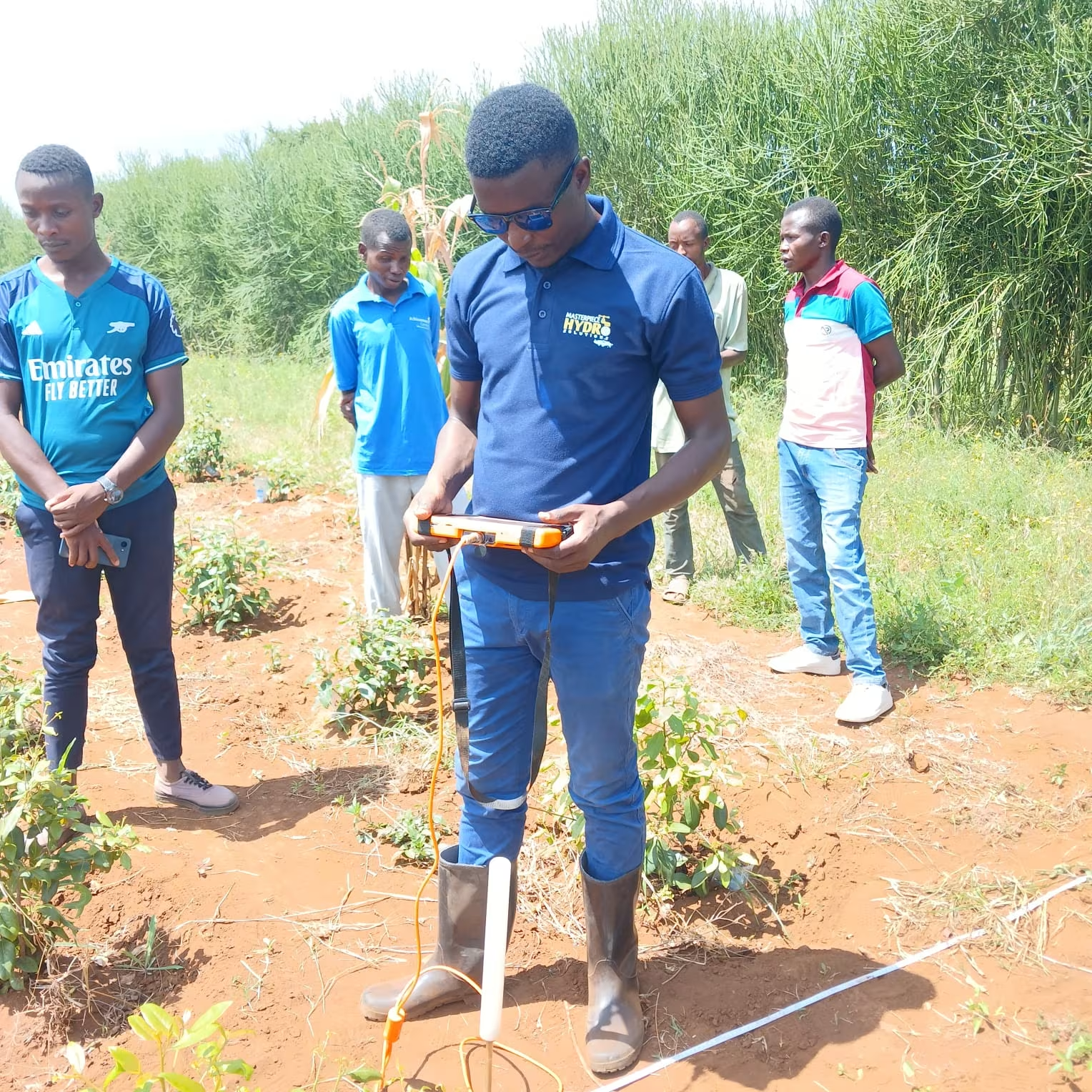
A groundwater survey before purchase can inform a land decision, but it cannot guarantee future water supply. Buyers should understand what the assessment establishes and what remains uncertain. Therefore, define the intended use before commissioning work. Keep the water question alongside the wider property checks and appropriate professional advice.
Masterpiece Hydro-Solutions offers hydrogeological surveys. To discuss a potential purchase, request an assessment enquiry with the property details. Explain that ownership has not yet changed. Also, identify who can authorise access and share relevant records.
Define the groundwater survey before purchase decision
First, state why water matters to the purchase. A home, irrigated farm and institution may need very different services. A general question about whether the land has water is too broad. Ask what evidence could support your intended use and what later work would remain necessary.
Next, decide how the result will inform your decision without asking the assessor to make the purchase choice. You may need to understand whether further investigation appears justified. Alternatively, you may need to identify uncertainty that affects the proposed development. Those are technical inputs to a wider decision.
Also, distinguish a preferred water option from an essential condition of your project. If the development cannot function without a particular supply, say so. The assessor should understand the importance of the question. However, importance cannot turn a survey into a guarantee of yield, quality or approval.
Confirm the correct land and access permission
Provide an accurate property reference and available layout. Ask the appropriate adviser to resolve uncertainty about parcel identity or boundaries. A survey team should not have to guess which land the buyer intends to purchase. Keep the location information consistent across the enquiry and property documents.
Next, obtain the appropriate permission for the proposed assessment activity. A seller’s willingness to discuss water does not necessarily define the permitted site work. Ask what the assessment involves and who must authorise it. This guide does not determine legal access rights or contractual obligations.
Also, explain any restrictions on site visits or sharing records. The assessor can then state how those limits affect the proposed scope. Do not treat a restricted assessment as equivalent to unrestricted investigation. Its limitations should remain visible in the resulting report.
Scope a groundwater survey before purchase carefully
| Purchase question | Information to provide | Limit to understand |
|---|---|---|
| Intended development | Uses, priorities and preliminary demand | Future demand may remain uncertain |
| Property identity | Reliable location and relevant documents | Technical assessment does not verify title |
| Existing water claim | Reports, testing and construction records | Reported success is not guaranteed future performance |
| Potential groundwater project | Site evidence and available context | Survey findings do not establish final yield |
| Authority pathway | Current project information | Advice does not promise approval |
| Purchase decision | Technical uncertainty and wider due diligence | The buyer needs separate legal and commercial advice |
Use the table to prevent the survey from carrying responsibilities outside its scope. A useful report informs a defined technical question. It does not certify ownership, settle contract wording or promise a profitable development. Ask the relevant professionals to address those separate matters.
Test seller statements against available evidence
A seller may describe nearby boreholes, historic water observations or an existing source. Ask which documents support the statement. Also, distinguish information about the property from information about a neighbour. A nearby successful borehole does not guarantee the same result on the land you may buy.
If the property already has a borehole, request the available construction, testing and water-quality records. Identify the dates and intended use. An installed pump or a short demonstration does not establish every aspect of sustainable production. Qualified personnel should explain what further assessment may be necessary.
A groundwater survey before purchase should therefore distinguish documentary facts from reported expectations. Keep the seller’s statements in their original form rather than converting them into technical conclusions. If a statement matters to the purchase agreement, ask your adviser how to address it appropriately.
Keep the assessment independent of the desired answer
Buyers can become attached to a property before resolving the water question. Therefore, explain your intended use without asking the assessor to confirm that the purchase should proceed. The technical work should identify evidence and uncertainty. A favourable tone cannot replace an informed risk decision.
Also, ask who commissioned any existing report and what brief it addressed. A seller’s historic assessment may still provide useful information. However, it may answer a different question from your proposed development. Request clarification before treating it as a complete assessment of your plan.
If a new assessment is appropriate, agree the scope, deliverables and limitations before instruction. Ask which questions it can answer and which require later work. This helps avoid paying for a general report when your main uncertainty concerns an existing source or a changed demand brief.
A scenario involving a proposed irrigated property
Imagine a buyer considers land for a home and a future irrigated enterprise. The seller points to a neighbour’s borehole and says water should be available. The buyer initially requests a simple survey confirmation. However, the future enterprise’s demand and development layout remain undefined.
First, the buyer separates domestic needs from the unconfirmed enterprise demand. Next, the survey enquiry identifies available records and the property location. The assessor explains what the proposed investigation could establish and what later drilling, testing and design would still need to address.
The buyer then considers those limits alongside financial, property and contractual advice. The groundwater survey before purchase has informed the decision without guaranteeing a complete supply. The example does not recommend buying or rejecting the land. That wider decision remains with the buyer and appropriate advisers.
Ask about approvals without assuming ownership is enough
The Water Resources Authority permitting guidance describes an application, construction authorisation and a subsequent water permit. Ask WRA about the current requirements affecting the proposed project. Do not assume that buying land by itself answers the water-use approval question.
Also, ask the appropriate authority or adviser about the relevance of any existing project documents. A buyer should not assume that a seller’s paperwork covers a changed use or future works. The exact position needs current, case-specific confirmation. This article does not determine transfer rights or legal obligations.
Groundwater survey before purchase planning should keep this uncertainty visible. Identify which authority questions remain unresolved and who will ask them. Avoid promising investors or family members that a favourable survey automatically establishes permission to drill or abstract.
Distinguish survey findings from a complete project budget
A survey can inform the proposed investigation, but it cannot fix every later cost. Drilling quantities, testing, construction requirements and equipping may need further evidence. Therefore, ask which stages remain provisional. Avoid using a survey recommendation as an all-inclusive water-supply quotation.
Also, consider the proposed storage and delivery arrangement at a briefing level. A distant tank or elevated development area can affect later equipment assessment. However, do not select a pump before the necessary source information exists. The buyer needs a staged plan rather than a premature equipment package.
For a later construction enquiry, see Masterpiece Hydro-Solutions borehole drilling. Carry forward the report and intended use. Keep the purchase assessment separate from any decision to accept a drilling contract.
Prepare a water due diligence question list
- What water service does the proposed development actually need?
- Which property and location does the assessment address?
- Who may authorise the proposed site visit and investigation?
- Which seller statements have supporting records?
- What can the survey establish before drilling?
- Which quantity and quality questions remain unproven?
- What current authority matters need confirmation?
- Which purchase obligations need your own professional advice?
Keep the answers and source documents together. Also, record which questions remain open rather than treating silence as confirmation. A clear evidence file helps advisers understand the technical uncertainty. It supports the purchase discussion without substituting for the wider checks the property needs.
Questions about a groundwater survey before purchase
Can the survey guarantee the land has enough water?
No survey can guarantee a specific groundwater yield or quality. Ask how the findings relate to your intended use and what later evidence remains necessary. A recommendation can inform risk without removing it. The purchase decision needs to reflect that uncertainty.
Should I rely on the seller’s survey?
First, obtain the complete report and understand its location, date and original brief. Then ask whether it addresses your proposed use. It may provide useful context without answering every current question. A suitable review can identify gaps before you decide what further assessment to commission.
Does an existing pump prove an adequate supply?
No pump label or brief demonstration establishes every source condition. Request the available testing, construction and quality information. Qualified personnel can explain what it supports and what remains uncertain. Your intended demand may differ from the seller’s actual use.
Can the assessor advise on the purchase contract?
A technical assessor can explain findings within its scope. Purchase obligations, title and contractual protections need appropriate separate advice. Do not ask a groundwater report to determine those matters. Share its uncertainty with your adviser so the broader decision reflects the available evidence.
What if access before purchase is restricted?
Tell the assessor the exact restriction and ask what scope remains possible. It should explain any resulting limitation. Do not enter or investigate without appropriate permission. If the restriction affects the purchase decision, discuss its consequences with the relevant professional adviser.
Use the assessment as one decision input
A useful groundwater survey before purchase defines the technical question and preserves uncertainty. It also keeps access, records and authority matters visible. Gather the property information and explain the intended development. Then consider the findings alongside the wider due diligence and advice the purchase requires.
Send Masterpiece Hydro-Solutions your pre-purchase survey enquiry. Include the location, available seller records and intended water use. Request a clear scope that identifies what the assessment can establish before you commit to further work.