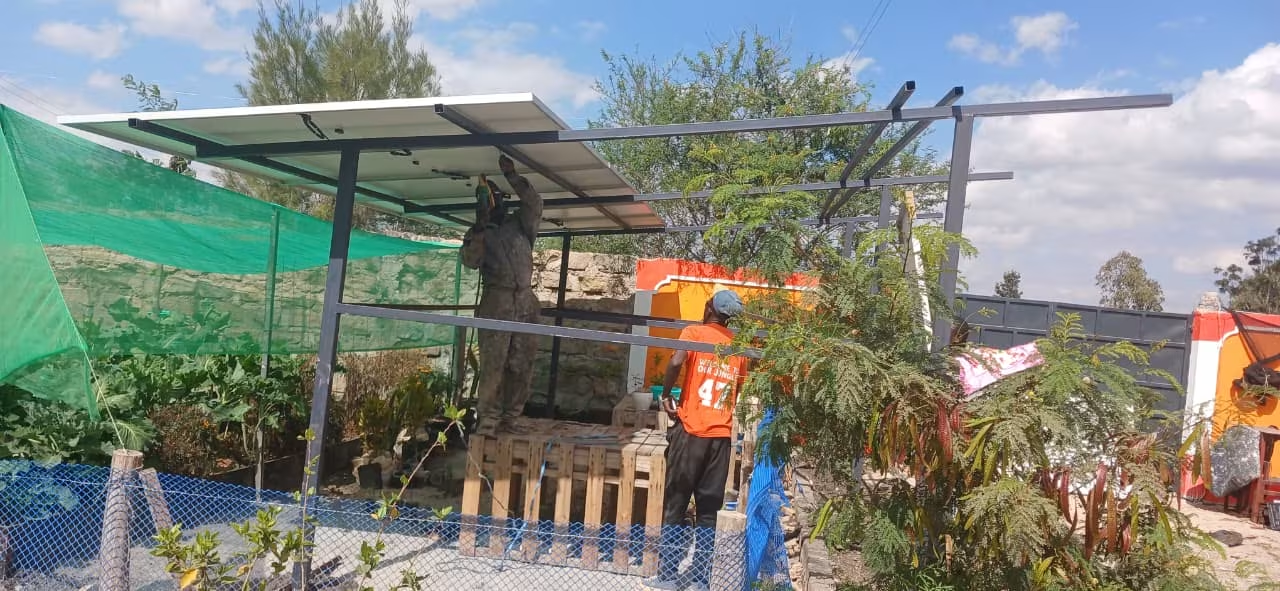
Seasonal solar water demand should be compared with the source-supported operating arrangement and realistic production assumptions. A system that meets an ordinary requirement may face a different balance when use changes. First, define the normal and busier cases. Then examine source evidence, variable solar conditions and usable storage without assuming that one average day describes every period.
Explore Masterpiece Hydro-Solutions borehole solarisation and request a seasonal supply assessment enquiry. Ask which professional scope may be available. This guide makes no county-specific groundwater prediction, universal solar-hour assumption or promise that additional equipment can meet every changed requirement.
Define normal and busier demand cases separately
List the uses drawing from the source and identify when their requirements change. The owner may have a recurring activity, occupancy change or another planned use. Also, obtain suitable adviser input for demand assumptions where necessary. A familiar calendar pattern does not establish an accurate volume without its basis.
Keep measured consumption, estimates and future targets clearly labelled. The technical assessor needs to understand the confidence behind each case. A desired daily amount should not silently become a guaranteed production requirement simply because it appears in an enquiry. The source and proposed arrangement still need appropriate assessment.
Compare seasonal solar water demand with source evidence
Gather relevant test-pumping reports, water-level observations and current operating records. Identify their dates and conditions. Ask qualified professionals how the information supports the proposed abstraction arrangement and what uncertainty remains. A report from one period may be useful without proving the same source behaviour in every later situation.
Source yield, installed pump capacity and demand remain distinct. More panels cannot create groundwater, and a stronger motor cannot establish sustainable abstraction. Seasonal solar water demand should therefore remain visible beside the assessed source limit rather than drive an unsupported package selection.
Ask how production assumptions handle variable conditions
Solar production changes through the day and across periods. Ask the designer which evidence and assumptions support its expected water-delivery estimate. The explanation should identify the relevant equipment and site conditions. This guide gives no fixed number of usable solar hours or universal Kenyan design month.
Also, distinguish a favourable demonstration from the wider production assessment. A tank fill during one visit can provide useful evidence without establishing every later period. The owner should understand the proposed water service and its limitations rather than extrapolate a single observed rate into a permanent daily promise.
Build a scenario table before requesting upgrades
The table supports the brief a qualified provider needs to assess. It is not a source forecast or an instruction to choose equipment. Keep each case’s assumptions and missing information explicit. An owner can then see which further evidence would make the comparison more reliable.
| Scenario input | Normal case | Busier or constrained case | Question to resolve |
|---|---|---|---|
| Daily demand | Present measured or estimated requirement | Separately described changed use | What supports each figure? |
| Timing of use | Ordinary busy periods | Changed or overlapping periods | Which gap needs storage? |
| Source basis | Relevant observed conditions | Identified uncertainty or further assessment | What abstraction arrangement is supported? |
| Production estimate | Stated equipment and operating assumptions | Professionally assessed alternative conditions | What does the estimate actually promise? |
| Usable storage | Working volume and reserve | Expected draw and later recovery | Can the plan replenish what it uses? |
Work through an illustrative changed-use balance
Consider an educational site using eight cubic metres daily under its ordinary brief. A recurring activity increases the assumed requirement to 16 cubic metres, equal to 16,000 litres. Assume the assessed arrangement averages two cubic metres per hour over five actual operating hours. The corresponding production would be ten cubic metres.
The assumed busier case therefore has a six-cubic-metre daily gap. These numbers demonstrate arithmetic, not source findings, solar-hour predictions or a recommended operating schedule. Qualified professionals must establish the actual source-supported arrangement and equipment performance before the owner relies on either demand case.
Seasonal solar water demand planning now has a visible decision. The owner needs a supported change in use, another supply arrangement or another assessed option. Simply purchasing more storage would not establish a continuing answer if daily production remains below the assumed requirement.
Balance seasonal solar water demand with usable storage
Distinguish a timing mismatch from a persistent daily deficit. Storage can help serve use outside the production period, depending on usable capacity and refill. However, repeated deficits eventually use the available volume. A large nominal tank does not create water or establish how much management can actually draw.
In the illustrative six-cubic-metre gap, an assumed reserve of 18 usable cubic metres would cover that difference for three days before replenishment became necessary. That is educational arithmetic, not a tank recommendation. The professional should assess the site’s own reserve, ordinary use and recovery requirement together.
Compare demand changes with supply changes
Ask relevant advisers which uses are essential, flexible or dependent on a particular period. A revised timetable or activity may have consequences the water-project designer cannot decide alone. Record the operational decision and its responsible person. The plan should not assume every user can simply wait for another pumping period.
Where supplementary supply or backup is considered, define the specific gap it addresses. Compatibility, quality, access and continuing commitments may need separate assessment. An enquiry does not confirm a particular service is available or that backup power can overcome inadequate source yield.
Keep equipment changes tied to an assessed duty
Required flow and head belong together in pump selection, as the Grundfos resource explains. Ask the qualified provider to relate any proposal to the actual route and destination. A headline power rating cannot establish increased delivered volume at the required head.
Keep drilled depth, pumping water level and setting depth distinct. Relevant delivery elevation, losses and outlet requirements also affect assessment. The borehole equipping service offers a separate enquiry route where current equipment needs review. Ask what professional scope may be available before assuming an upgrade is confirmed.
Define a review trigger before the busy period
Agree what changed demand or operating observation should prompt another assessment. This might concern a new activity, persistent failure to replenish storage or another recorded concern. Qualified professionals should explain the appropriate evidence. The owner should not alter electrical settings or bypass source protection to chase an assumed volume.
Keep a current demand brief and relevant operating history. Seasonal solar water demand becomes easier to review when records identify the same source, destination and units. A later manager should understand which scenario the existing system was assessed to serve and which future change remains conditional.
Keep quality and continuity decisions explicit
Adequate volume does not establish water suitability. Arrange appropriate analysis and advice for the intended uses, especially where another source joins the arrangement. Clear appearance and successful solar operation cannot establish drinking-water safety. The quality evidence should remain separate from production arithmetic.
Also, identify who communicates restrictions or interruptions and arranges any separate temporary supply. A realistic plan should not rely on an unverified date or weather expectation. The owner needs responsibilities and supported options rather than a general guarantee that water availability will recover when a particular calendar period arrives.
Questions owners ask about changing seasonal use
Does an ordinary-day demonstration prove enough water for the busy period?
No. Compare the observed conditions with the changed requirement and assessed production assumptions. Seasonal solar water demand should appear as a separate scenario. A single favourable visit cannot establish every later operating period or remove source uncertainty.
Can more panels solve every seasonal shortage?
More equipment cannot create groundwater or establish the complete delivery duty. Ask which constraint the assessment identifies and what a proposed change would address. Source availability, equipment compatibility and demand each need evidence. Avoid choosing an upgrade solely from the size of the shortfall.
Should a larger tank be the first purchase?
First, distinguish timing from continuing deficit. Storage may bridge one but cannot replenish itself during the other. Ask qualified professionals to assess usable capacity and recovery alongside demand. A nominal capacity label alone cannot establish a suitable continuity arrangement.
Which month should the owner use for planning?
Ask the qualified designer which site evidence and demand cases support the assessment. This guide gives no universal month or local solar-hour rule. Preserve the assumptions and uncertainty. The actual project may need several scenarios rather than one calendar label.
What helps the initial enquiry?
Send ordinary and busier demand cases, source records, destination information and available operating history. Include storage, critical uses and planned changes. Finally, mark estimates and missing measurements. This helps a provider define an appropriate assessment rather than promise a package from an undefined peak need.
Request a scenario-led water-service assessment
Compare seasonal solar water demand with source-supported operation, variable production and usable storage. Keep continuing deficits and reserve recovery visible. Finally, agree review responsibilities. A useful plan explains which evidence supports the proposed service without inventing local conditions or guaranteeing every later period.
Request a seasonal supply assessment enquiry from Masterpiece Hydro-Solutions. Share the different use cases and source evidence. Ask which professional scope may be available and which equipment, storage or separate-supply questions the proposed assessment would address.