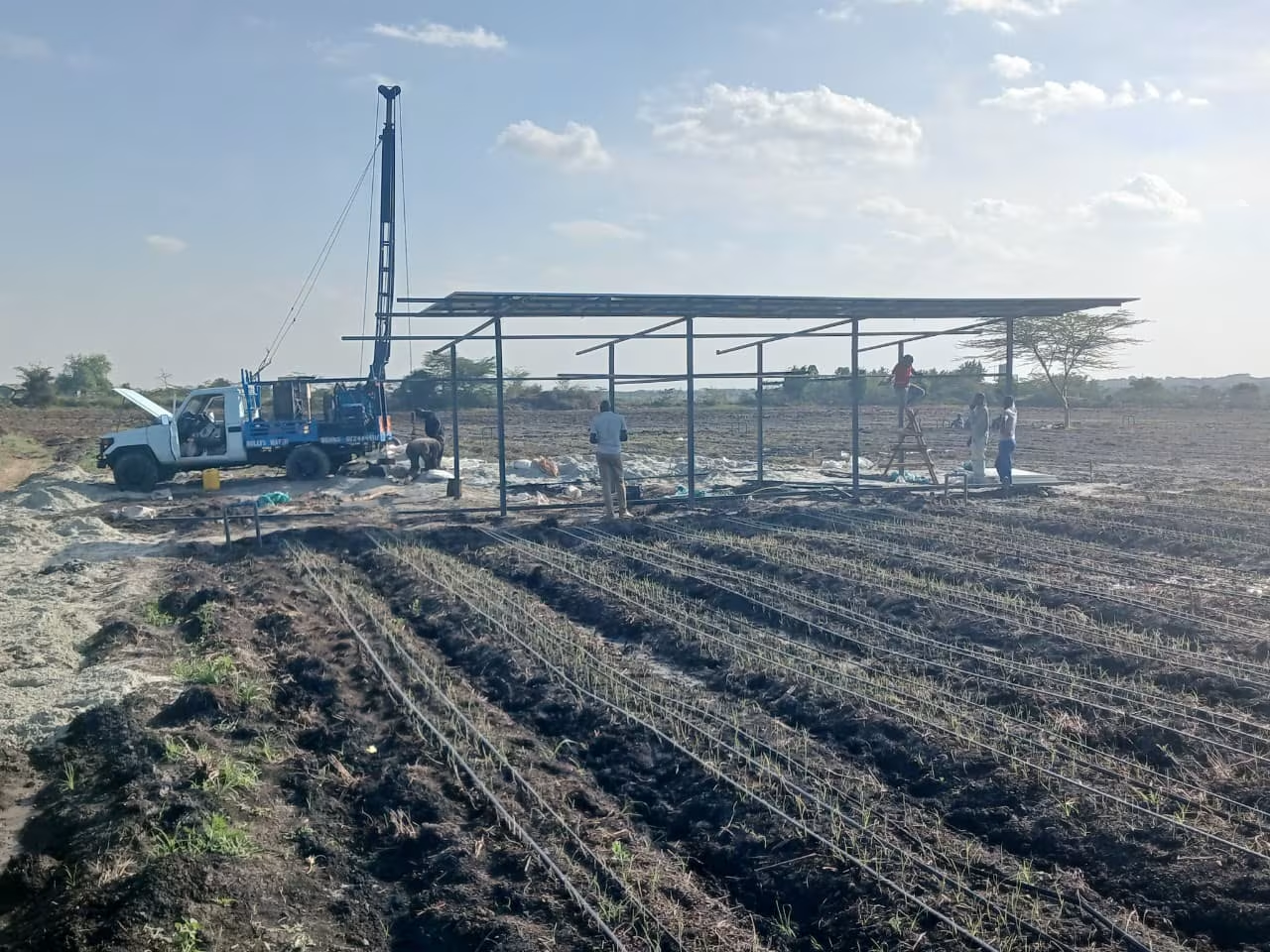
Solar milestone evidence closure helps an owner distinguish a successful operating observation from the records promised at that stage. Water reaching a tank can be useful evidence without completing every deliverable. First, identify the actual milestone. Then list what exists, what remains missing and who can supply a reliable record before the next acceptance decision.
Explore Masterpiece Hydro-Solutions borehole solarisation services and enquire about an assessed records and handover scope. Confirm the available service. Send the agreed milestone description and existing evidence rather than assume a later contractor can certify work or measurements it did not witness.
Identify the milestone the parties actually agreed
Read the accepted scope and relevant schedule together. A milestone may concern supplied equipment, installation or a defined operating demonstration. Those boundaries require different evidence. The owner should not apply a generic full-project checklist to a narrower stage without explaining the difference.
Next, identify the promised documents and responsible authors. A supplier, installer and source assessor may each hold part of the file. The contractor attending the site is not automatically the author or owner of every required record.
Also, preserve actual issued versions. If a clarification changed the milestone, retain that decision with the scope. A final-looking summary should not quietly replace a different commitment that the owner and provider previously agreed.
Start solar milestone evidence closure with the observed event
Record what the owner actually witnessed and which written observations already exist. Identify the destination and relevant context. An observation of water delivery should remain distinct from assumptions about the whole day’s volume or every future operating condition.
Next, ask the responsible provider which checks it completed and recorded. If a statement relies on a field note, identify that note and author. The project needs a traceable account, not a later confident recollection presented as a contemporaneous measurement.
Solar milestone evidence closure should preserve uncertainty honestly. A missing result cannot become a pass merely because other parts of the demonstration looked satisfactory. Mark the item and identify what evidence would address it.
Separate several different evidence gaps
A promised file may exist but have an inaccessible link. Another item may need an author’s explanation. A technical check may not have occurred. These are different gaps and should not automatically trigger the same response.
Next, ask what the original provider can supply reliably from its actual records. A corrected document can clarify an existing event without pretending that a new observation occurred. If no adequate evidence exists, the project should say so and define the next professional step.
Also, distinguish missing identity information from missing performance evidence. A model schedule helps describe the installed asset, while a measured result addresses another question. One complete category cannot silently fill a gap in another.
Use a gap-to-action table
The following table helps the owner request a proportionate close-out response. It does not define a universal acceptance requirement or legal payment obligation. The actual scope and relevant qualified assessment determine what the project needs.
| Missing or unclear item | Question to ask | Possible defined next action |
|---|---|---|
| Promised file cannot be opened | Does the issued record exist in a usable form? | Restore access and confirm identity |
| Installed model is unclear | Which actual equipment record supports the schedule? | Obtain qualified identity confirmation |
| Result lacks operating context | What field information supports the statement? | Request an author clarification with limits |
| Check was not completed | What would appropriate verification now establish? | Agree a separate qualified scope |
| Another provider holds the record | Who commissions and receives the deliverable? | Assign the document handoff |
| Terms do not define acceptance clearly | Which actual agreement applies? | Obtain written clarification and appropriate advice |
Next, identify a named owner and status for each action. The close-out file should make the remaining decision clearer rather than merely become longer.
Ask whether the missing item can be issued honestly
The provider may be able to compile an equipment schedule from reliable existing records. That is different from inventing a flow reading after the visit. Ask the author to distinguish the underlying event date from the date it issued a later document.
Next, keep corrections and qualifications visible. A revised report should explain its status so the owner does not confuse a clarification with another commissioning event. The project should preserve the original record where it remains relevant history.
Solar milestone evidence closure should never require an author to remove a genuine limitation for a cleaner-looking pack. The useful record states what the evidence supports and which question remains open.
Decide whether a further visit adds evidence
Ask what a proposed return attendance would establish that the present file cannot. A new qualified observation may address a genuinely incomplete check. It may add little if the only problem is access to a report already issued.
Next, identify the configuration a new visit would examine. If equipment or the destination changed after the milestone, the result may describe current operation rather than prove the earlier condition. The provider should explain that boundary.
Also, agree the actual scope and commercial terms before booking. This guide does not invent a free revisit or a standard charge. The owner needs a clear deliverable and reason, not repeat attendance without an evidence question.
Consider a working system with no equipment schedule
Consider an educational scenario where water delivery was observed at the agreed tank, but the installed model list remains outstanding. No actual site, performance result or contractual status is implied.
First, the owner identifies the promised equipment record and responsible supplier. Next, the provider confirms what its records establish and whether qualified verification is needed. The issued schedule then links actual items to the installation, while the original water observation retains its own scope and limits.
This scenario shows why solar milestone evidence closure should address the specific gap. The owner does not need to pretend the demonstration failed, nor assume it proves every missing fact. Each evidence category needs an appropriate record.
Clarify authorship and professional responsibility
Ask who is responsible for each technical statement and what evidence it relies on. A compilation by project administration should not appear to be a new specialist assessment. The file needs clear attribution so future readers understand the source and limit of a conclusion.
For relevant practitioner questions, use EPRA’s renewable-energy registers and verify appropriate current credentials directly. Do not infer a particular status from a signature image or a general service description.
Solar milestone evidence closure should keep owner coordination separate from professional judgement. The owner can gather files, ask questions and approve a defined scope. Qualified personnel must determine and perform electrical, mechanical and other technical verification.
Connect the evidence gap to the commercial conversation
Identify the actual milestone and payment terms before discussing an invoice. Document receipt, technical review and commercial acceptance are related but different decisions. This guide does not determine a payment entitlement from a missing file or successful demonstration.
Next, ask the provider for a clear outstanding-item schedule and proposed response. If the parties disagree about the effect of the gap, appropriate advice should use the actual documents and event record. Do not substitute a generic checklist for that assessment.
Also, keep price and scope questions explicit if further work is proposed. The owner should understand whether a task completes an existing deliverable, clarifies existing evidence or creates a new assessment commitment.
Review solar milestone evidence closure before handover
Check that completed actions have usable files, identifiable authors and clear status. Then identify any remaining limitation or further task. A tidy folder does not remove a genuine unresolved question.
Next, connect the evidence to the current operating arrangement. Source yield, pump capacity and demand remain distinct, while water quality needs appropriate separate evidence. A successful pumping observation cannot certify every future volume or intended use.
Solar milestone evidence closure is complete as a records task when the agreed outputs and remaining decisions are understandable. Retain the relevant scope, observations, revisions and contacts together so another manager can follow the project without reconstructing conversations.
Questions about missing milestone records
Does successful operation make every document unnecessary?
No. The actual scope may promise records needed for ownership, service or later assessment. Identify what is missing and why it matters. A demonstration can remain useful without answering equipment identity, report provenance or another separate question.
Should every missing item trigger another site visit?
Ask what new evidence the visit would add. Restoring access to an existing file is different from performing an incomplete check. The provider should explain the specific gap and deliverable before the owner authorises another attendance.
Can a later report describe an earlier event?
It can use reliable existing evidence when the author makes the basis and dates clear. It should not invent an unrecorded measurement or imply a new event occurred. Ask the responsible professional to explain what the underlying records support.
Who should supply a report held by another provider?
Use the actual agreements to identify the commissioning and delivery route. The project should name a responsible contact and define the handoff. Do not assume the installer can certify information another professional must author.
Does a missing file decide whether an invoice is payable?
This guide does not decide that. Review the actual terms and evidence, and obtain appropriate advice where needed. Keep the technical gap and commercial conversation clear so neither a generic checklist nor an operating observation substitutes for the relevant assessment.
Enquire with the milestone and gap schedule
Gather the agreed deliverables and current evidence. Then enquire about a handover-evidence assessment with Masterpiece Hydro-Solutions. Confirm the proposed scope. Ask for a proportionate action, clear authorship and an understandable close-out record rather than an unsupported certificate for every project outcome.