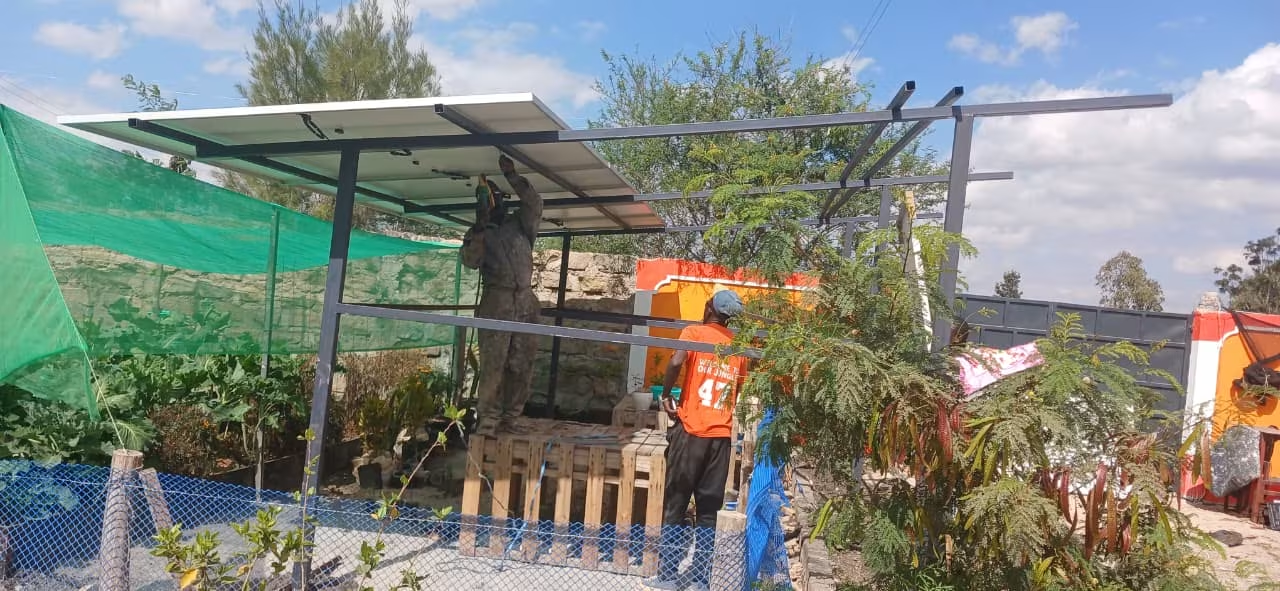
Solar service provider transition becomes harder when the installation file is incomplete. The incoming contractor needs enough reliable information to define its work, while the owner needs continuity without paying for an unnecessary redesign. Begin by separating missing records, unresolved operating concerns and genuinely changed requirements. Each may require a different response.
Discuss your needs through Masterpiece Hydro-Solutions borehole solarisation services and request a defined takeover assessment. Confirm the available service scope for the equipment involved. Send what you already hold, including incomplete records, rather than delaying the enquiry until you can assemble a perfect file.
State the decision the new provider must make
A contractor asked to perform routine maintenance needs a different starting brief from one asked to investigate a recurring interruption. Tell the incoming provider why the owner is changing arrangements and what work is currently needed. Avoid turning dissatisfaction with the previous service into an unsupported technical conclusion.
Identify any immediate supply concern through the authorised site contact. Record what users observed, when it happened and which destination was affected. Let qualified practitioners determine the appropriate technical response. Owners should not retrieve a pump, open electrical equipment or change protective settings to prepare for the new contractor.
Also state what continues during the transfer. The old support arrangement may still cover certain obligations, or its scope may already have ended. Ask the relevant parties to confirm their actual commitments. Do not assume that appointing a new provider cancels every earlier responsibility or automatically transfers it.
Build solar service provider transition around identified assets
Gather the existing equipment schedule, invoices, delivery records and handover documents. Look for model and serial references already recorded by providers. Ask a qualified practitioner to resolve material identification gaps through an appropriate assessment. A purchase invoice describes what was billed, which may need reconciliation with what was actually installed.
Include retained equipment as well as newly supplied items. A solar conversion can involve an existing pump, tank interface or backup arrangement. The incoming contractor needs to know which parts were assessed, retained or excluded from the earlier work. Do not describe the entire installation as newly supplied merely because the panels were new.
Keep document confidence visible. Label an unconfirmed model as unconfirmed and a historical drawing as historical. A neat asset register with guessed entries can mislead the next provider more than an honest gap. Ask what identification work is necessary for the particular maintenance or fault-assessment task.
Recover decisions as well as documents
The final equipment list may not explain why a component differs from the first proposal. Look for approved substitutions, revised duty assumptions and scope deletions. Those records help an incoming provider understand the basis of the installed arrangement. They do not prove that every past choice remains suitable for a changed water requirement.
Request missing records through the existing authorised contacts. Describe each item precisely, such as the final controller schedule or the dated commissioning report. Asking for everything can generate a large folder without resolving the important gap. Keep the request proportionate to the new provider’s stated information needs.
Where recovery fails, record what was requested and what remains unavailable. Do not recreate a missing test result from someone’s recollection and label it as an original measurement. A later qualified assessment can create new evidence, but it should carry its own date, scope and limitations.
Separate recovery from reassessment
| Situation | Useful next task | What the task should not imply |
|---|---|---|
| A final model schedule exists but was not supplied | Obtain and reconcile the existing record | Automatic need for new equipment |
| Equipment identity remains uncertain | Qualified identification within a defined visit | Permission for owner-led electrical access |
| An old fault remains unresolved | Review the chronology and propose targeted assessment | Proof that the previous contractor caused it |
| Water demand has increased | Review the changed operating brief and source evidence | Assurance that the existing source can meet it |
| Historical measurements are missing | Disclose the gap and consider useful new evidence | Reconstruction of a result that was never recorded |
Ask the provider to price these tasks clearly where they involve additional work. An administrative records request, an identification visit and a fresh design review are different outputs. The owner can then authorise what the present decision requires rather than accept a broad investigation with no defined endpoint.
Bring unresolved symptoms into solar service provider transition
Prepare a short chronology of outstanding concerns. Include the owner’s observation, previous attendance, recorded finding and subsequent recurrence. Distinguish no fault reproduced from a confirmed repair. An incoming contractor should not have to infer that a concern disappeared merely because the previous visit record contains no further action.
Preserve disagreement neutrally. If two parties proposed different causes, record the source of each explanation and the evidence supplied. Ask the incoming provider what it needs to assess the issue independently. Avoid instructing it to prove a preferred explanation before it has reviewed the installation.
Also identify changes since the original problem. Altered tank use, new demand or a later component replacement can affect the relevance of an old observation. Those changes are context rather than automatic causes. Keeping them dated helps the qualified assessor decide which comparisons remain meaningful.
Review product support without inventing warranty cover
The Grundfos global warranty information shows why the applicable agreement and claim route matter. It does not establish cover for every product, installer or local transaction. Ask the actual seller and relevant manufacturer contact what documentation and authorised process apply to your item.
Keep warranty enquiries separate from the incoming maintenance appointment. A new contractor may offer an assessment without being authorised to determine a manufacturer’s claim. Confirm its proposed role and charge basis. Do not describe a paid investigation as guaranteed warranty work unless the responsible party has expressly accepted it.
Where credentials matter to the proposed work, verify the current requirements and provider details through appropriate official sources. The EPRA renewable energy registers provide an official starting point for relevant credential checks. This link does not claim that any particular business holds a specified credential.
A missing controller history changes the takeover scope
Consider a hypothetical owner who wants a new contractor to service an installation that sometimes stops delivering to storage. The folder contains the original quotation and panel invoice, but the controller was later substituted. No final schedule or explanation accompanies that change. The new provider cannot responsibly treat the first quotation as the complete installed specification.
The owner first asks the previous provider for the approved substitution record and final model details. If those remain unavailable, the incoming provider can propose a defined identification and assessment task. That task should state its output and limits rather than promise to certify the whole installation from incomplete paperwork.
Next, the parties agree whether routine service can proceed alongside the unresolved symptom or whether another assessment is needed first. The decision rests on qualified advice and the actual scope. It does not require the owner to assume that a missing document proves defective equipment or that a new controller is automatically necessary.
Close solar service provider transition with an honest baseline
Ask the incoming provider to identify what it has accepted for its service scope and what remains outside it. The baseline may include confirmed equipment, reviewed records and open questions. It should distinguish an initial takeover observation from original commissioning evidence or a guarantee about future performance.
Retain one indexed owner copy of the resulting file. Include current contacts and who authorises further work. Make later updates traceable by date and author. This gives the next maintenance decision a reliable starting point instead of allowing the same identification and history gaps to return whenever personnel change.
Questions about appointing a replacement provider
Must every missing record be recreated?
No. Ask which gaps affect the proposed task and which can remain disclosed. Some records may be recoverable from existing providers, while others cannot be reconstructed honestly. A qualified practitioner can explain whether new evidence would support the current decision and how that differs from the missing historical record.
Does accepting maintenance certify the whole installation?
Only the actual agreed scope explains what the provider has assessed or accepted. Request clear wording. Routine maintenance, a limited fault investigation and a comprehensive installation review are different services. Do not treat a visit invoice or a working pump as a complete certificate of every component and interface.
Should the owner replace equipment to simplify the handover?
Equipment replacement should follow a justified assessment of suitability, condition and requirements. Missing paperwork alone does not prove that every item needs replacement. Ask the provider to separate identification costs, repair options and any proposed redesign, with reasons relevant to the actual installation.
What if the former contractor disputes the new findings?
Preserve the dated evidence and each provider’s stated scope. Ask for clarification of the specific disagreement rather than combining competing conclusions into one unsupported verdict. If an independent review is useful, define the question and available evidence. Technical assessment should remain separate from unverified legal conclusions about responsibility.
Can a changed demand brief wait until after takeover?
Tell the incoming provider about it at the start. Increased demand can change the question from maintaining the existing arrangement to assessing a new duty. Keep demand, source yield, pump capacity and water quality separate. None can be assumed merely because the previous installation supplied a smaller requirement.
For solar service provider transition, submit the records you hold and label the gaps honestly. Request a scoped takeover enquiry that separates records recovery, current-condition assessment and any changed operating requirement before authorising additional work.