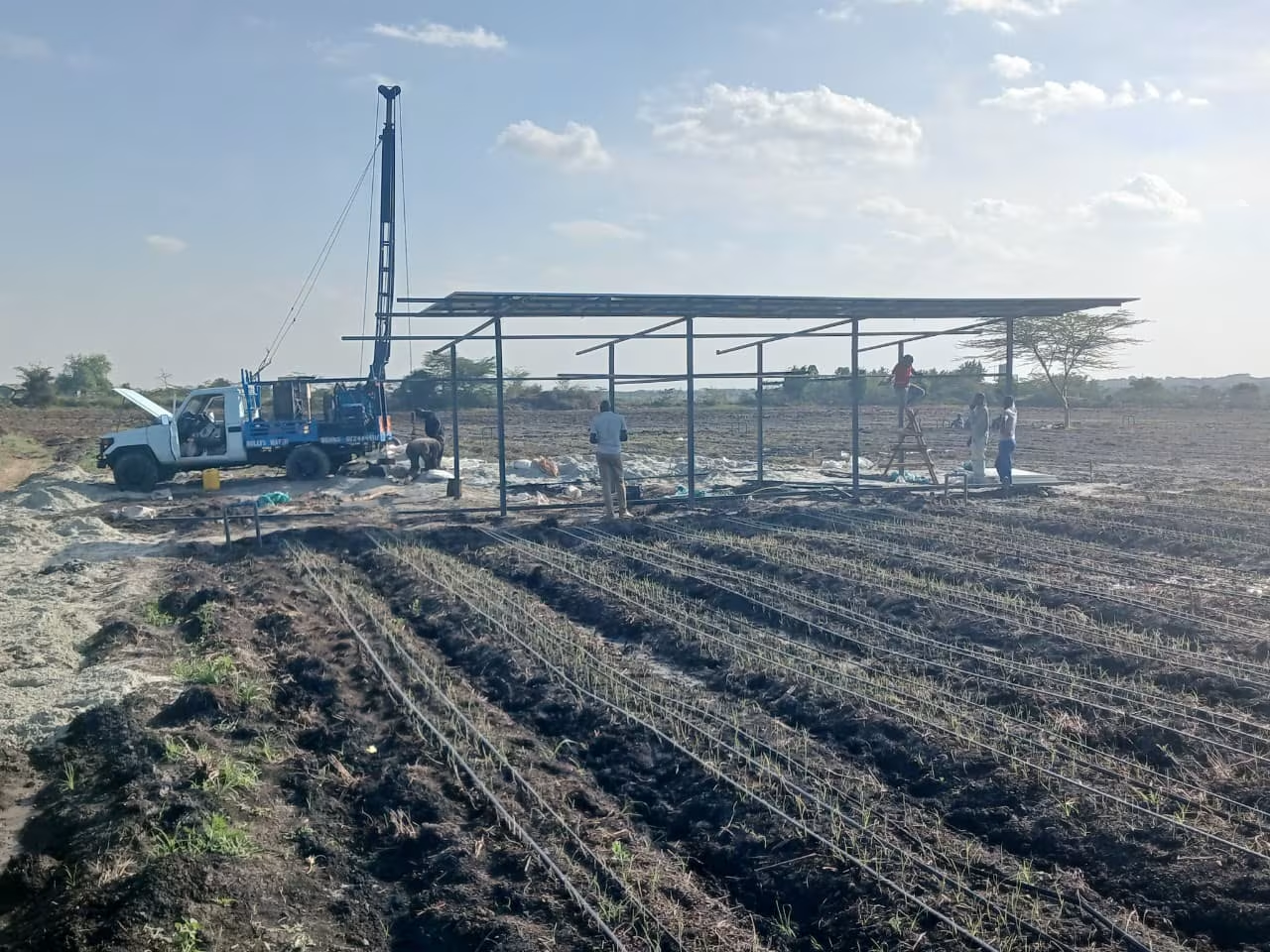
Split supplier solar installation needs one clear link between the equipment purchase and the water-service commitment. A seller may price a bundle while another firm prices installation. First, establish who confirms that the proposed items work together for the actual borehole. Then record the interfaces before either offer becomes an equipment order.
Review Masterpiece Hydro-Solutions borehole solarisation services and enquire about an assessment of separately supplied equipment. Confirm the available scope for your project. Share both offers and the source records so the practitioner can explain what it can assess rather than inherit an undefined responsibility between suppliers.
Identify what each supplier actually offers
Read the equipment seller’s description alongside the installer’s proposed work. Also, identify any assessment, design or commissioning activity that neither offer expressly includes. Two apparently complete quotations can still leave the decision about suitability unowned.
Next, ask each party to describe its boundary in ordinary language. Does the seller only supply named products? Does the installer assess retained equipment or only fit an approved package? The owner needs those answers before assuming that a purchase automatically includes a complete operating arrangement.
Also, preserve the exact equipment references. A photograph or broad motor description may omit information the installer needs. If a model remains provisional, state what confirms it and who may approve an alternative.
Base split supplier solar installation on one duty brief
Give both parties the same required water service and available source evidence. The destination, required flow and head should not change between their offers without explanation. Grundfos’s pump-selection guidance links selection to the required flow and head.
Next, distinguish source capability from the equipment’s potential output. A larger motor or array cannot establish sustainable groundwater production. The relevant test records and qualified assessment should support the proposed abstraction rather than the seller’s package name.
Split supplier solar installation should therefore identify who owns the selection explanation. The owner can request a clear basis without choosing technical specifications. Ask the responsible practitioner to show how the assessed arrangement serves the current destination and operating brief.
Request a documented equipment match
List the proposed pump, motor, controller and array using available model information. Also, identify relevant controls and any backup interface. The practitioner must determine what compatibility information matters for that actual arrangement.
Next, ask the installer to distinguish confirmed matches from assumptions requiring verification. A general statement that an item suits solar pumping may not answer the project’s particular question. The proposal should explain what information remains missing before installation can be accepted.
Also, identify how the seller will respond if the assessment finds the offered equipment unsuitable. Request the actual commercial terms and available options. Do not assume the owner has a universal right to return equipment or that the installer must make every purchased item work.
Map split supplier solar installation interfaces
The following table helps identify a responsible party for the specific decisions. It does not prescribe an electrical design or transfer legal responsibility. The actual agreements and qualified professional scopes need to establish the commitments.
| Decision | Question for the seller | Question for the installer |
|---|---|---|
| Equipment identity | Which exact items does the order supply? | Which records are needed before assessment? |
| Suitability basis | What application evidence supports the offer? | Who assesses the complete match for this source? |
| Retained components | What does the offer assume already exists? | Who verifies their condition and compatibility? |
| Missing interface | Which related items are excluded? | What additional scope would complete the arrangement? |
| Commissioning | What product information will support the checks? | What service will the contractor demonstrate? |
Next, turn an unanswered question into a defined assessment task. The owner should not fill the gap by issuing an unqualified technical instruction.
Separate the price components carefully
A supply-only total and an installation total need scope reconciliation before addition. Ask about delivery, mounting interfaces, controls and commissioning where relevant. A shared item can appear twice, while a necessary activity can remain outside both offers.
Next, identify tax treatment and price validity in each document. The owner needs a consistent basis for the actual commitments. Do not compare inclusive and exclusive figures as though they mean the same thing, or invent an allowance to hide an unpriced interface.
Split supplier solar installation also needs an approval route for findings. If the assessment identifies another component or activity, ask for the reason and revised commercial scope. An initial installation quote should not become an undefined instruction to resolve every purchasing mistake.
Consider a bundle with an unidentified retained pump
Consider an educational scenario in which a seller offers solar equipment for an existing borehole, but the owner’s pump reference is missing. A separate installer receives the bundle description. No actual project or suitability finding is implied.
First, the installer asks for the information needed to assess the retained equipment. Next, qualified personnel confirm the relevant installation details. The parties then identify which parts of the proposed package suit the assessed requirement and which need a revised offer.
This scenario shows why split supplier solar installation needs a decision before purchase. The missing step concerns the complete match, not merely the physical act of fitting equipment. A named responsible practitioner and a clear finding make the next commercial choice reviewable.
Keep delivery, custody and acceptance distinct
When equipment reaches the site, record the agreed identity and quantity information through appropriate safe arrangements. Receipt does not itself establish technical suitability or successful installation. Ask who accepts custody and who later evaluates the completed service.
Next, identify the responsible contact if an item differs from the order. Preserve the delivery record and supplier response. The owner should not substitute another item informally or ask an installer to proceed without the appropriate review.
Also, agree how the parties handle a delay between delivery and work. Relevant manufacturer and supplier requirements should guide qualified planning. This guide does not provide storage, lifting or electrical preparation instructions.
Define the response when the first demonstration disappoints
Ask who receives a system-level concern after installation. A low delivery observation may involve the source, equipment, route or operating conditions. The parties should agree an assessment route rather than assume the other supplier automatically owns the cause.
Next, request a record separating observations from diagnosis. The owner can provide safely accessible indications and timing information. Qualified personnel must choose and perform technical investigation; owners should not open enclosures or bypass protection to prove a complaint.
Split supplier solar installation should leave an evidence trail that both parties can understand. Keep the approved package, installation changes and commissioning conditions together. That record helps a later assessor identify the real question without relying on competing recollections.
Review split supplier solar installation before commitment
Check that the seller’s final schedule and the installer’s final scope describe the same arrangement. Then identify all unresolved questions and the person responsible for each answer. A complete-looking equipment list should not conceal a missing interface.
Next, agree what the installer will demonstrate at the intended destination. The record should state relevant conditions and limitations. A brief peak observation does not establish every future daily volume, while successful pumping does not establish water quality.
Finally, obtain offered warranty and support terms from the actual responsible parties. Ask how product and workmanship concerns enter the service route. Do not assume either offer guarantees uninterrupted water or every later change to the operating brief.
Questions about buying from separate suppliers
Does the installer have to accept equipment I already bought?
Ask the installer to assess suitability and state the scope it can accept. Product ownership and technical compatibility are different questions. The actual commercial terms need clarification. Do not assume that an equipment purchase creates an installation obligation or proves the bundle suits the borehole.
Can the seller’s motor rating settle compatibility?
That is only part of the information. The qualified practitioner needs the actual equipment, source and operating brief. Ask for a documented match and the relevant supporting information. A similar power label alone cannot explain every interface or required function.
Who should handle a fault crossing both scopes?
Agree the reporting and assessment route before work. The owner should retain the relevant documents and observations. Qualified findings can then inform the next action without deciding responsibility from a single indication or an informal statement that another supplier caused the problem.
Is one combined offer always better?
Not automatically. Compare actual commitments and evidence. Separate suppliers can have clear interfaces, while one broad package can still leave important assumptions unresolved. The useful decision depends on accountable scope and a suitable arrangement for the required water service.
How should the parties record a changed model?
Ask the seller to identify the revised item and the installer to explain its assessed effect. Keep the reason, suitability evidence and commercial adjustment with the original schedule. The owner should know whether any related component or function also changes. A delivery-note correction alone should not silently replace the approved technical arrangement or the installation commitment. Obtain the relevant written clarification before relying on the substituted item.
Enquire with both offers and one service brief
Gather the equipment schedule, installation proposal and available source records. Then enquire about a split-scope assessment with Masterpiece Hydro-Solutions. Confirm the proposed service. Ask for a clear suitability decision, complete interfaces and an understandable handover before committing to the purchase and installation.