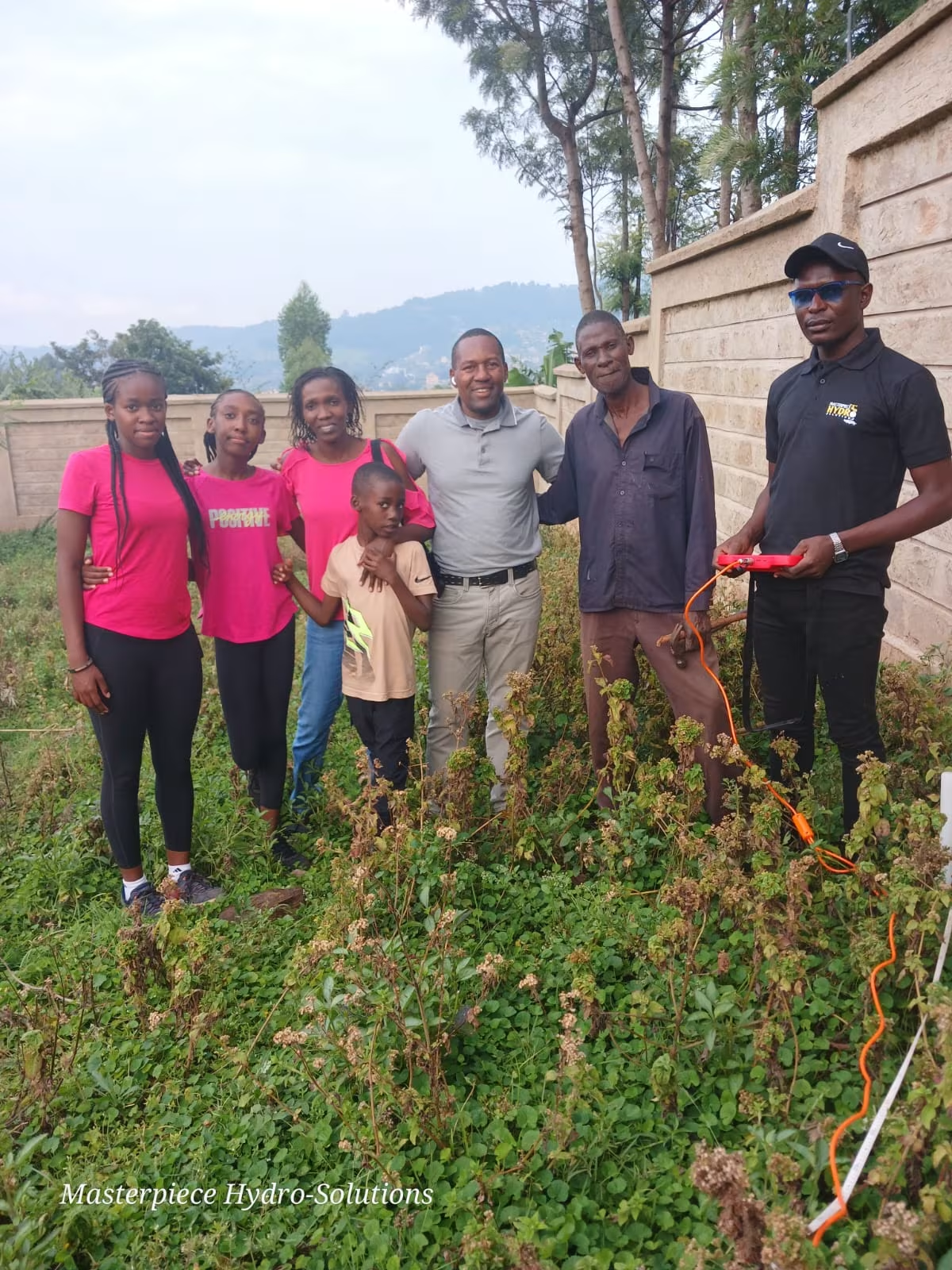
WRA borehole application planning starts by identifying the project stage and the water use being proposed. A survey report, construction decision and permission to use water are different matters. First, describe the source and intended activity accurately. Then confirm the current requirements with the authority and relevant qualified advisers before relying on a general checklist.
Explore Masterpiece Hydro-Solutions hydrogeological surveys and request an assessment enquiry for the proposed project. Ask what professional assessment scope may be available. Do not assume that a survey enquiry includes application management, every supporting task or a promise of approval.
Begin WRA borehole application planning with the actual stage
State whether the project concerns a proposed source, an existing borehole or a change to an established arrangement. Also, identify work already completed and the records available. These facts help frame questions for the authority. A request simply asking for a borehole permit may conceal several different project situations.
WRA’s permitting guidance distinguishes application, construction authorisation and a subsequent water permit. Ask WRA how the current process applies to the particular source and proposed use. Keep the answer with the project record rather than infer the applicable stage from a contractor’s informal description.
Prepare one consistent site and use description
Identify the property, source location and intended users clearly. Distinguish current activity from planned expansion. Also, explain whether the proposed water service concerns a home, farm, institution or shared development. The authority and professional assessors need a consistent account rather than several versions that describe different demand or use assumptions.
Where daily demand remains uncertain, label the estimate and its basis. A desired volume is not proof that groundwater can support it. WRA borehole application planning should keep demand, source evidence and equipment capacity distinct. Technical assessment and authority confirmation address different parts of the project decision.
Ask which assessment evidence the project needs
Provide available hydrogeological and other relevant source reports. Ask the authority and qualified adviser which current evidence and format the project requires. Also, identify the responsible professional for any new assessment. A report title alone does not confirm that its scope, site identity and contents fit the present purpose.
If the project changes location or intended use, tell the assessor before reusing an earlier report. The provider should explain what remains relevant and what requires clarification. A nearby source or a historical recommendation cannot guarantee the outcome of a proposed borehole. Keep the report’s limits visible in the application file.
Use a WRA borehole application planning responsibility table
The table helps organise an enquiry rather than claim an official document list. Confirm applicable requirements directly. Assign a person to each action so questions do not circulate without resolution. The owner should understand who supplies technical information, who communicates with the authority and who keeps the resulting records.
| Planning area | Question to confirm | Evidence-management task |
|---|---|---|
| Project stage | Which current process applies to this situation? | Record the source description and authority response |
| Intended use | How should the actual activity be described? | Keep demand and use assumptions consistent |
| Technical support | Which assessments and current formats are needed? | Identify preparers, versions and outstanding gaps |
| Other authority questions | Which separate applicability enquiries remain? | Track each responsible authority and adviser |
| Submission route | Which official channel should the applicant use now? | Retain the issued reference and correspondence |
| Later project actions | What remains after the present stage? | Preserve a stage-specific action register |
Keep environmental applicability as a separate enquiry
Consult NEMA’s official environmental assessment information and ask qualified advisers which environmental requirements apply to the actual project. Do not assume that one water-resource document answers every environmental question. Equally, avoid assigning a universal assessment route from another owner’s experience or a generic online list.
Describe the same site and intended activity consistently across enquiries. If an adviser requests clarification, retain the response and updated project description. WRA borehole application planning becomes easier to review when separate authority questions remain visible rather than disappear inside a broad promise to handle all approvals.
Work through a fictional changed-use enquiry
Consider an educational owner with a report for one proposed use who later plans a different shared supply arrangement. The owner also holds an old document but is unsure which activity it concerns. These assumptions illustrate enquiry preparation; they do not establish the permissions or requirements of a real source.
First, the owner prepares a clear account of the current proposal and records already held. Next, the relevant advisers identify report and authority questions requiring confirmation. The owner asks WRA about the actual stage rather than treat the old document’s familiar title as sufficient evidence for the new arrangement.
The resulting file can track confirmed answers and outstanding actions. WRA borehole application planning has not promised approval; it has improved the quality of the enquiry. A contractor can then assess its own work boundary using a more reliable project description and the authority’s current response.
Follow official channels and preserve references
Use current routes linked from the authority’s own website or confirmed directly with it. Avoid treating an old screenshot as proof that the present channel or requirements remain unchanged. Also, retain the application reference and dated correspondence. These records help the applicant ask clear status questions without guessing progress.
Do not equate an acknowledgement, receipt or payment record with a decision authorising a particular activity. Ask what each document represents and what action remains. The owner should receive an explanation tied to the actual file, rather than infer permission from the fact that someone accepted information or issued a reference.
Agree the professional scope without assuming approval services
Ask the provider which assessment, report explanation or related task it actually proposes. The quotation should identify deliverables, exclusions and the responsible contact. Also, clarify who communicates with the authority. An enquiry about hydrogeological assessment does not establish that all application or administrative support is included or available.
Request taxes, payment stages and change approval in writing. Authority charges and professional fees should have understandable recipients and purposes where relevant. This guide gives no fee figure or processing promise. Confirm current amounts and applicable requirements through the relevant official and professional channels.
Carry the confirmed stage into construction planning
When the project considers field work, retain the current authority documents and relevant conditions with the technical brief. Ask the qualified adviser to explain their significance. The borehole drilling service provides a separate enquiry route for an assessed construction scope, rather than evidence that the authority has approved the project.
WRA borehole application planning should identify later records and actions without pretending the present stage completes them. The owner needs to know which tasks remain before relying on the intended water service. Keep technical completion, equipment commissioning, quality evidence and authority questions separately traceable.
Maintain a current action register
For every outstanding item, record the question, responsible person and next response needed. Also, identify the latest report version and project description. A concise register can prevent different advisers from working against inconsistent assumptions. It should describe the actual position rather than an optimistic completion percentage.
If the project changes, update the register and ask which earlier answers remain applicable. Do not overwrite the history as though the new proposal had always applied. A traceable sequence helps the owner and authority understand why another clarification or assessment may be necessary.
Questions owners ask about applications
Does a hydrogeological report give permission to drill?
A technical report and an authority decision are different records. Ask WRA and the relevant advisers what the actual project stage permits and requires. WRA borehole application planning should keep these distinctions visible rather than treat receipt of a report as a completed approval process.
Can a contractor promise that the application will succeed?
The relevant authority makes its decision. A provider should explain its actual professional scope and limitations. Ask what evidence it will prepare, what support is available and which questions remain outside its role. Do not substitute a sales assurance for current authority confirmation.
What if the source already exists?
Describe the source, available records and intended activity accurately. Ask which current requirements apply to that situation. An existing borehole can still leave project-specific questions. Do not assume that a document from another source or an earlier use answers the present enquiry.
Where should current fees and timing be checked?
Use the relevant authority’s current official information and confirm applicability directly. Ask the provider to separate its own programme from external decisions. A general article cannot promise a site-specific fee or processing period. Retain the dated answer with the project file.
What should accompany the first professional enquiry?
Send the location, intended use, current stage and available reports or authority records. Identify missing information and planned changes. Finally, name the applicant contact. This helps the provider define a suitable assessment enquiry without assuming every support task forms part of its service.
Request a stage-specific project discussion
Use WRA borehole application planning to organise a consistent site description, technical evidence and authority questions. Ask what remains outstanding before the next activity. Finally, preserve references and responses. A useful plan helps the owner seek clear confirmation without inventing procedures or promising approval.
Request a hydrogeological assessment enquiry from Masterpiece Hydro-Solutions. Explain the current proposal and records available. Ask which professional assessment scope may be available and how its deliverables would support the next confirmed project stage.