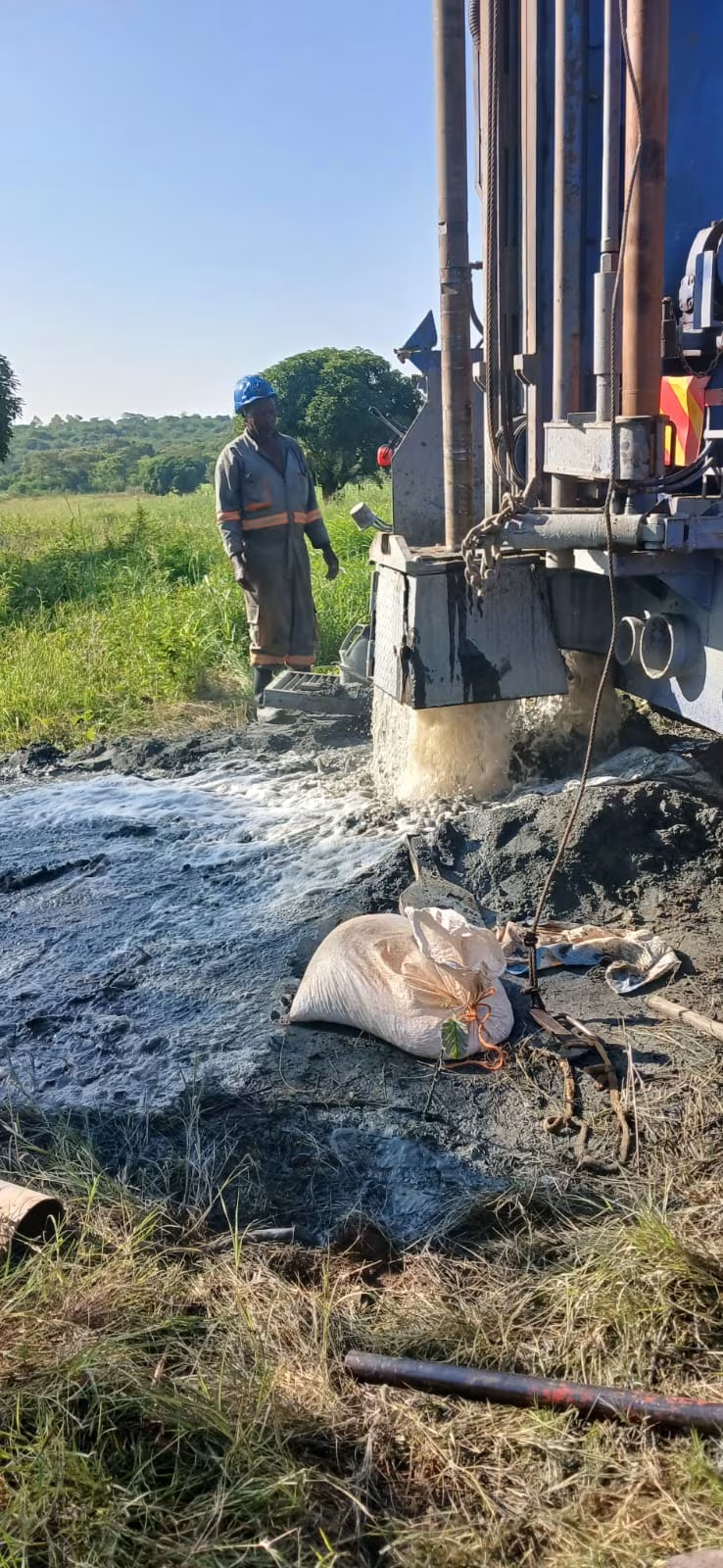
A borehole demobilisation handover checklist should identify what the drilling team leaves behind, which responsibilities transfer and which decisions remain open. The rig’s departure is a logistical milestone, not proof that every project stage is complete. Review accessible condition, records, materials and outstanding tasks through the agreed professional and contractual scope.
Explore Masterpiece Hydro-Solutions borehole drilling and request a drilling quotation with demobilisation responsibilities. Explain whether later testing or equipping will involve separate parties. Ask which completion and review tasks may be available before agreeing the departure and handover process.
Define which stage is ending
Ask the contractor to identify the activities completed under its actual scope. Separate drilling completion, testing, protective works and later equipment installation where relevant. A project can reach one milestone while another remains outstanding. The handover record should name the stage instead of simply declaring the borehole finished.
Also identify the person authorised to accept the relevant work and the professional inputs supporting that decision. The owner may need to acknowledge receipt of records without certifying technical adequacy. Keep those roles clear so a signature does not imply a review the signer did not undertake.
Agree the demobilisation discussion before the final departure day. Waiting until machinery is ready to leave can create unnecessary pressure around missing information. Ask which records and decisions should be available earlier, and which legitimately follow under a separately defined timetable or stage.
Use the borehole demobilisation handover checklist for condition
Review accessible areas with the appropriate responsible parties and within safe site arrangements. Compare their condition with the pre-start record and accepted restoration scope. Owners should not approach lifting operations or moving machinery to obtain a final photograph or settle an outstanding question.
Identify visible snags individually, with attributable photographs where useful. Describe the observation without assuming its cause. A damaged surface, an unidentified material pile and a missing document require different actions. A single general note saying site incomplete leaves those distinctions unresolved.
Keep existing defects outside the agreed work separate from newly identified questions. The written scope should guide the commercial boundary. Where responsibility remains disputed, record the issue and appropriate review route rather than making an unsupported conclusion during a rushed walk-through.
Confirm protection between project stages
Ask the responsible professionals to explain the arrangement left at the borehole and its status. Is it the accepted final configuration or a temporary stage before later work? The owner needs clear instructions about authorised access and the contact route for concerns, without attempting to alter components personally.
Identify who takes responsibility when another contractor returns for equipping or assessment. The final interface may differ from the condition photographed before demobilisation. Ask who reviews that later arrangement and updates the records. A stage handoff should not leave every party assuming another owns protection.
Do not infer hidden construction quality or water safety from an attractive surface finish. Relevant construction evidence and appropriate water analysis answer separate questions. Ask the qualified reviewers to explain what the accessible condition check establishes and which matters remain outside its scope.
Check the transfer with a responsibility table
| Handover item | Question before departure | Evidence or next action |
|---|---|---|
| Completed stage | Which accepted scope has ended? | Milestone statement with exclusions |
| Protection | What arrangement remains and who controls access? | Current condition and responsibility record |
| Materials | What remains, belongs to whom and needs removal? | Reconciled material schedule |
| Waste and restoration | Which agreed tasks are complete? | Relevant records and specific snag list |
| Documents | What is delivered and what remains outstanding? | Indexed pack and assigned follow-up |
Use the table to organise the meeting rather than certify the construction. Qualified reviewers should supply the technical basis relevant to their scope. A clear handover makes outstanding evidence visible instead of asking the owner to accept a broad assurance that everything will follow.
Reconcile materials before ownership becomes unclear
Ask the contractor to distinguish installed, unused, returned and waste materials where applicable. Confirm which remaining items belong to the owner and how any agreed storage or removal works. A stack left in a corner should not become an undocumented assumption about ownership or future suitability.
Keep product identification linked to the relevant records. Unused material should not automatically be described as a suitable spare for later work. Ask qualified parties about any proposed future use and appropriate storage requirements. The owner should not improvise installation or lifting arrangements merely because material remains available.
Where quantities affect a final account or variation, request the agreed measurement basis and supporting evidence. Commercial reconciliation differs from proving installed condition. A balanced invoice does not verify every hidden component, just as an installation record does not settle every price question.
Review waste and restoration against the agreed scope
Ask which material destinations and movement records form part of the agreed waste responsibilities. A tidy surface alone cannot show where removed material went. The NEMA environmental regulations summary identifies waste management and water quality frameworks. Ask qualified advisers about the actual requirements applicable to the project.
Check restoration within the defined work boundary. The quotation may distinguish drilling-related reinstatement from wider landscaping or existing defects. Record any remaining tasks with their responsible parties. An exclusion can define scope, but it should not disappear from the owner’s list of unresolved property decisions.
Also identify temporary arrangements requiring later removal or review. A temporary occupied area or altered route may need a specific follow-up action. Owners should not personally redirect uncertain liquids, move unidentified materials or enter controlled areas to accelerate closure.
Consider a rig-departure example
Imagine a hypothetical owner told that the rig will leave that afternoon. The surface looks orderly, but unused materials remain and the final construction schedule has not arrived. Later equipping belongs to another contractor. A general signature saying all work complete would leave several distinct responsibilities unclear.
A better record identifies the stage reached, the protection left in place and the material reconciliation. It lists the missing schedule with an assigned provider and agreed review point. It also identifies who takes the next-stage interface. The owner can acknowledge that specific position without inventing evidence that does not exist.
This example does not determine whether machinery must remain on a particular project or resolve contractual rights. Appropriate project and legal advice may be needed. It illustrates why a stage-specific handover is more informative than treating physical departure as universal technical and commercial acceptance.
Reconcile the document pack
Ask for an index distinguishing received, provisional and outstanding records. Relevant documents may include the accepted scope, construction information, material identity, approved changes and appropriate test evidence within the actual contract. Confirm their authors and site references rather than accepting an unexplained folder of files.
Keep missing original evidence separate from a later reconstructed account. If the contractor cannot recover a record, state that limitation honestly and obtain advice about its implications. A polished drawing should not imply contemporaneous verification where its basis is incomplete recollection.
Ask how final corrections will reach the owner and supersede earlier versions. A handover pack can otherwise contain conflicting values with no clear accepted record. Preserve a revision note so a future manager understands why information changed and which evidence supports the final position.
Keep the borehole demobilisation handover checklist stage-specific
The WRA permitting information describes construction authorisation as distinct from later water permitting. Ask responsible advisers which applicable conditions and submissions remain relevant. A rig leaving the property does not establish that every authority requirement or later project stage is complete.
Likewise, drilling completion does not automatically show that the source meets demand. Appropriate source testing and professional interpretation address performance. Equipment capacity and actual delivery duty require their own assessment. The owner should retain these distinctions in the handover rather than accept an undefined statement that water is available.
Water quality remains another question. Clear appearance or a construction photograph cannot determine suitability for drinking or another intended use. Ask which appropriate analysis and competent advice are included, outstanding or separately required. Record the answer within the relevant evidence schedule.
Set follow-up ownership before closing the meeting
Give each snag or missing record a named responsible party and a clear closure requirement. A review date can support coordination, but should reflect the actual agreement rather than a promise invented by the owner. Keep the current contact and escalation route accessible to authorised representatives.
Distinguish an accepted limitation from an unresolved task. The parties may agree that a particular method cannot establish some hidden detail. That differs from a promised document that has not been delivered. Clear status avoids repeatedly chasing an impossible deliverable or quietly abandoning a genuine commitment.
Retain the final meeting record with relevant attachments and corrections. Future owners or specialists should be able to identify the state of the project at transfer. That record is useful precisely because it preserves outstanding questions instead of presenting the departure as a guaranteed successful outcome.
Frequently asked departure questions
Should everything be signed off when the rig leaves?
Ask the actual contract and responsible advisers what acceptance is appropriate at that stage. Identify completed work and outstanding matters specifically. Do not sign a broad technical conclusion merely because a logistical departure is taking place.
Can temporary protection remain until equipping?
Ask qualified parties to assess the actual arrangement and define responsibilities. Record its status and the next-stage review. Do not assume a temporary measure is appropriate indefinitely or modify it yourself to accommodate later work.
What if records arrive after departure?
List the outstanding deliverables, responsible provider and agreed review route. Acknowledge what is actually available and preserve the limitation. The owner should know which later decision depends on the missing information rather than treating the pack as already complete.
Does demobilisation prove the borehole is ready for use?
No automatic conclusion follows. Project conditions, appropriate testing, equipment and water suitability may involve separate stages. Ask responsible professionals to identify the actual readiness evidence and unresolved requirements for the intended use.
Define departure evidence in the enquiry
A useful borehole demobilisation handover checklist transfers clear responsibilities and attributable records. Ask for it within the quotation, alongside scope, restoration and next-stage interfaces. This helps the owner review what remains without inventing technical conclusions from the rig’s departure.
Request a drilling quotation with demobilisation handover defined. Confirm the available professional scope and document requirements. Agree how condition, materials, records and unresolved tasks will be reviewed before closing the relevant project stage.