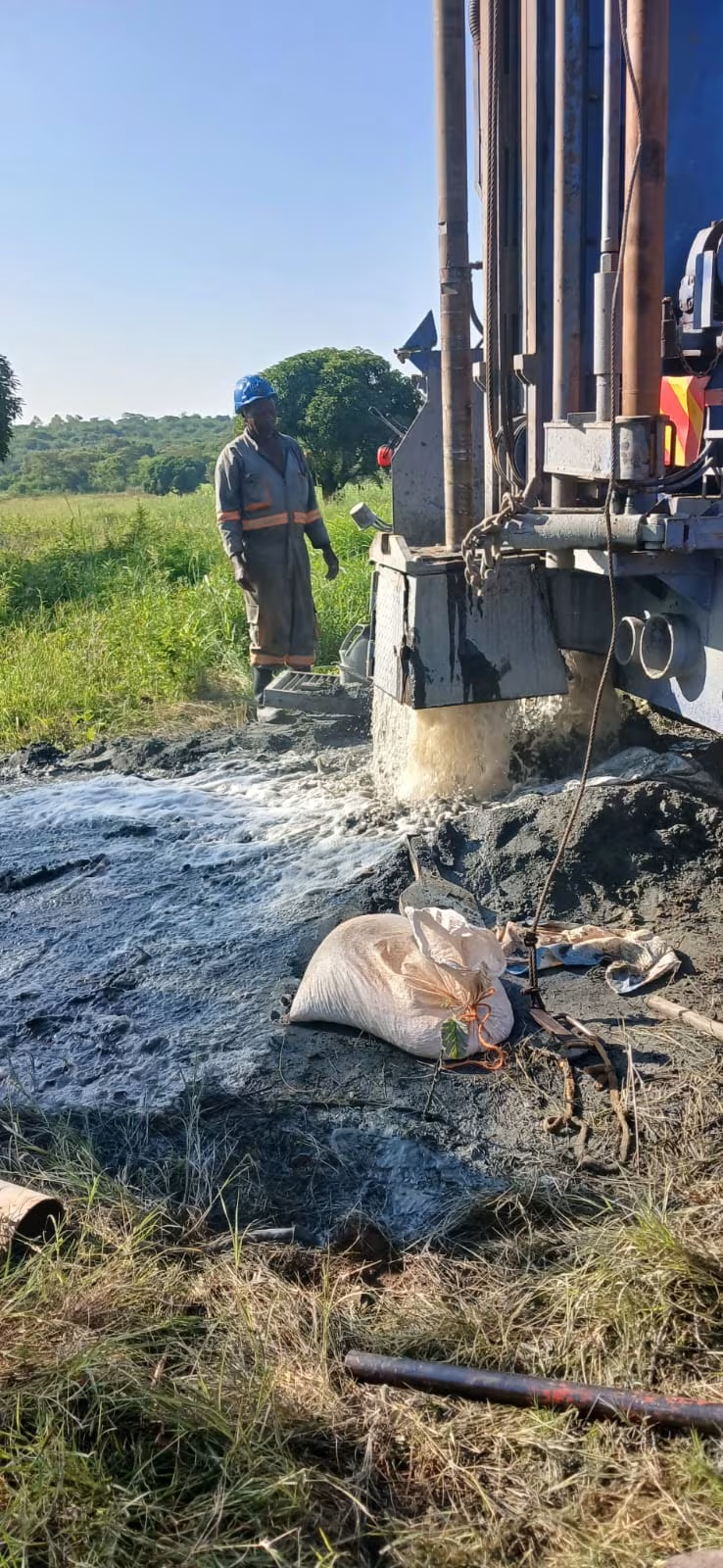
Borehole casing specification evidence should identify the actual product and explain how qualified parties assessed it for the proposed construction. A material name or nominal diameter leaves important questions unanswered. Before comparing prices, request a documented specification covering product identity, dimensions, joints and relevant supporting information.
Explore Masterpiece Hydro-Solutions borehole drilling and request a quotation with casing specifications identified. Supply existing survey and design records where available. Ask which professional review the proposed scope includes and which decisions remain subject to site findings.
Distinguish casing from the other pipework
Ask each proposal to identify the component it describes. Borehole casing, screened sections and the rising main perform different roles within the project. A general reference to pipe can conceal these distinctions. The specification and price schedule should use terms that correspond to the intended construction records.
Also distinguish drilled hole dimensions from the casing’s internal and external dimensions. They are not interchangeable numbers. The qualified designer should explain which dimensions matter for the proposed arrangement, equipment clearance and future servicing. Owners should not choose a universal size from a neighbouring borehole.
Do not infer source performance from casing dimensions. Water demand, tested source behaviour and installed pump capacity need separate assessment. A larger product description does not promise a larger sustainable supply. Keep those performance questions outside a material comparison unless the responsible professional provides the necessary evidence.
Request complete borehole casing specification evidence
Ask for the manufacturer, product designation, material and stated dimensions. Where a specification references a standard, request its exact identification and the documentation supporting that claim. A broad statement such as standard quality does not tell the owner which requirement the supplier means.
Wall thickness, joint system and product configuration should be clear enough for a qualified reviewer to assess. The owner need not perform the design calculations. Instead, ask who confirms suitability for the actual conditions and which assumptions remain provisional before drilling reveals additional information.
Manufacturer literature illustrates why product identity matters. The Johnson Screens casing and screen range includes different materials and connection arrangements. This is an example of manufacturer-specific documentation, not a recommendation, local supply confirmation or statement that Masterpiece has a relationship with that manufacturer.
Ask for a reasoned material comparison
A useful comparison explains the assessed application rather than declaring one material best everywhere. Ask the designer which site conditions, construction loads and compatibility questions informed the proposal. Relevant water or ground information may still be incomplete. The record should identify how that uncertainty affects the decision.
Separate technical suitability from commercial preference. A familiar product may be easier for a particular supplier to obtain, but availability alone does not establish fitness. Conversely, an unfamiliar brand is not automatically unsuitable. The appropriate comparison uses verified product information and professional assessment rather than reputation by assumption.
Ask how the proposal addresses the complete connection system. A casing body and its joints belong within one assessed arrangement. Describing the body material without identifying the connection leaves a gap. Owners should request compatibility evidence rather than suggesting joint alterations or construction methods themselves.
Compare documents using consistent questions
| Specification item | Question for the bidder | Evidence to retain |
|---|---|---|
| Product identity | Which exact product does the price include? | Manufacturer and designation linked to quotation |
| Dimensions | Which internal, external and wall dimensions apply? | Product data and qualified design reference |
| Connections | Which joint system forms the proposed assembly? | Compatible component documentation |
| Supporting claims | What confirms each stated standard or certification? | Relevant identifiable documents |
| Installed record | How will supplied and installed products be reconciled? | Delivery, installation and change records |
Request clarification where two bidders use different terminology. A price comparison becomes meaningful only after the owner understands whether the products and professional responsibilities align. Do not average unlike dimensions or assume that a similar label represents the same specification.
Review certificates for their actual scope
A certificate needs a clear connection to the supplied product and the claim being made. Ask who issued it, what it covers and which identifiers link it to the relevant material. A general company document may answer a different question from product conformity or batch traceability.
Keep the distinction between documentary evidence and independent review. The presence of a certificate does not mean someone has assessed every design condition. Ask the responsible professional to explain whether the submitted documents satisfy the project’s actual requirements and which checks remain outstanding.
Do not describe a product as approved by an authority unless relevant evidence supports that exact statement. The WRA permitting guidance describes project stages involving construction authorisation and later permitting. Ask the project’s advisers about applicable conditions; a supplier document is not interchangeable with those decisions.
Consider a quotation comparison example
Imagine two hypothetical drilling quotations mentioning the same nominal casing diameter. One identifies the manufacturer, wall specification and connection system. The other gives only a material label. The owner cannot conclude that the second offers equivalent construction simply because the nominal diameter matches.
The next step is a clarification request, not an assumption about quality. Ask the second bidder to identify the product and supporting data. Then ask the qualified reviewer to explain whether the two proposed arrangements serve the same assessed requirements. Commercial comparison can follow that technical clarification.
If the reviewer identifies a difference, record what it changes. It might affect the scope, documentation or compatibility review rather than justify a simple ranking. This example provides a procurement method only. It does not prescribe a casing material or dimension for any actual borehole.
Preserve borehole casing specification evidence during changes
The contract should explain how proposed substitutions are reviewed before the affected installation. Ask for the new product identity, reason for the change and relevant assessment. An informal statement that the replacement is stronger or equivalent is not a complete specification or authorised variation.
Distinguish an owner’s approval of expenditure from a professional confirmation of suitability. The owner may authorise a cost while relying on the responsible professional’s assessment. Record both roles clearly. A commercial signature should not quietly transfer technical design responsibility to someone without the appropriate competence.
Retain superseded documents with a clear status and keep the accepted specification easy to identify. Otherwise, a later maintenance provider may read an early quotation as the installed record. The final pack should explain changes and identify the evidence supporting the accepted configuration.
Connect delivery evidence with installed information
Agree how discrepancies will be recorded before installation obscures the product markings. For example, a delivery document may use a supplier’s stock code while the design uses a manufacturer designation. Ask for an explicit cross-reference. The responsible reviewer should confirm that the identifiers describe the assessed item rather than leaving future readers to guess.
Also request a record of unused material ownership and storage responsibility. This commercial point differs from product suitability, but it prevents later confusion about whether remaining lengths form part of the owner’s accepted supply or belong to the contractor.
Ask how the contractor records material delivery and its condition before use. Where practical, attributable photographs of markings can support identification. Keep those images linked to delivery records. A distant picture of stacked material may not show the information needed for a later traceability question.
Delivery does not establish installation. Request a final construction record that identifies the accepted casing arrangement and relevant intervals. Qualified parties should explain its references and any limits. Owners should not attempt to verify hidden construction by entering controlled work areas or handling lifting operations.
At handover, reconcile the specification, approved changes and final record. Identify missing documents rather than filling gaps from memory. If a supplier changes a product designation later, the retained original literature can help a future reviewer understand what the project actually purchased.
Questions before choosing a proposal
Is one casing material always better?
No universal choice follows from the material name alone. Ask qualified parties to assess the specific product, construction conditions and intended arrangement. A useful proposal explains that basis and identifies unresolved information rather than claiming that one category suits every site.
Does nominal diameter tell me which pump will fit?
It does not resolve the complete compatibility question. Ask the designer to verify actual internal dimensions, equipment requirements and servicing constraints. Pump selection also needs source evidence and the assessed delivery duty, rather than casing size alone.
Can I accept a substitute with the same label?
Request the exact product documentation and qualified compatibility review before an authorised change. Similar descriptions may omit important differences. The written decision should identify what changes, why it is acceptable for the assessed scope and how the final records will reflect it.
Does a casing certificate prove water quality?
No. Product documentation and water analysis answer different questions. Ask about appropriate laboratory evidence and intended-use advice. Neither a material certificate nor clear-looking water establishes that the completed source is suitable for drinking.
Prepare a specification-led enquiry
Send available site and design records, identify the proposed project stage and ask bidders to state unresolved assumptions. Good borehole casing specification evidence allows professional review and fair comparison. It also gives future owners a more reliable record than a material name copied from an early estimate.
Request a borehole drilling quotation with casing documentation. Confirm product identification, review responsibilities, substitution approval and final deliverables within the available scope. Agree those boundaries before treating the supplied material and installed construction as the same verified arrangement.