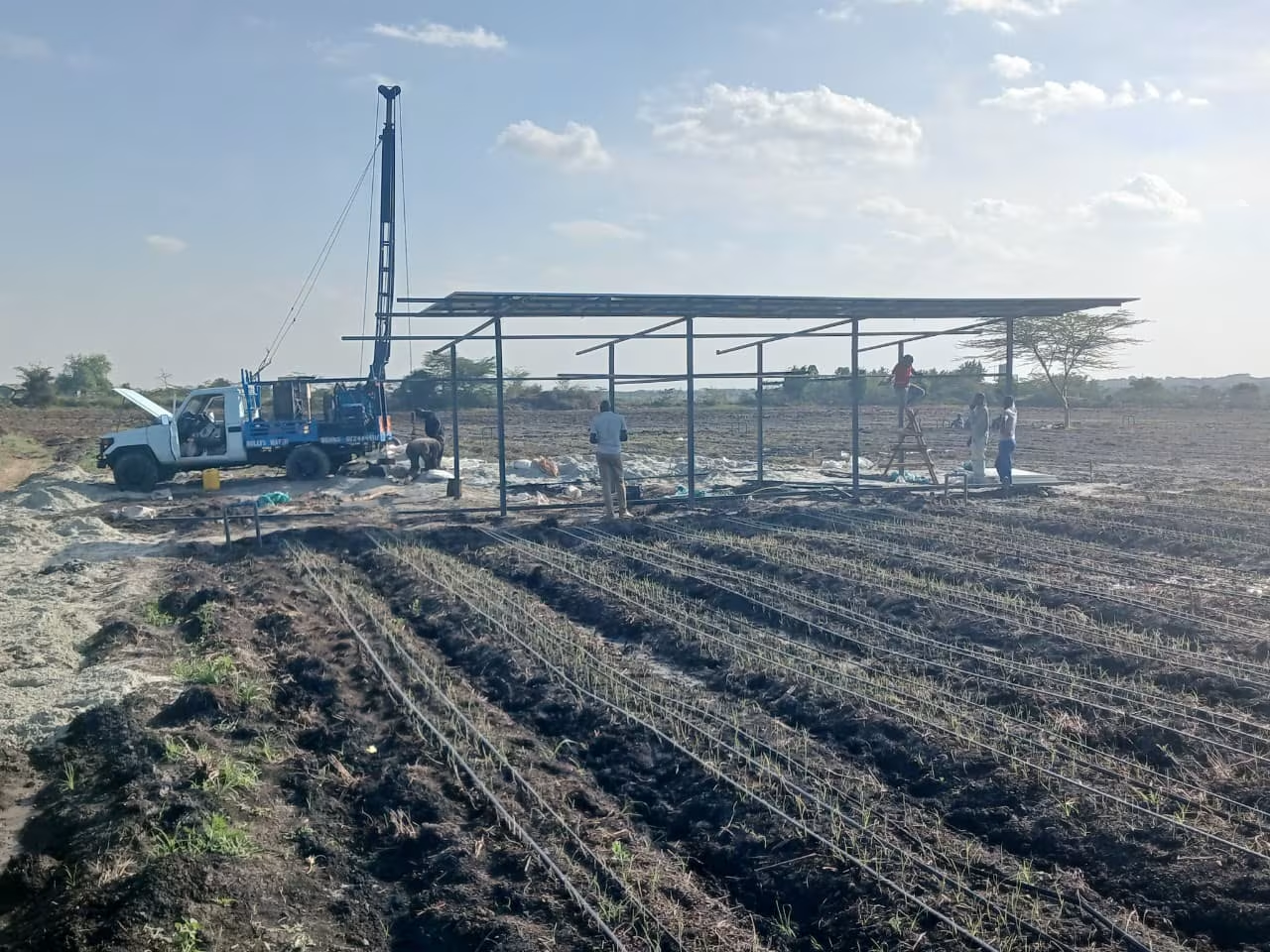
School solar borehole pumping should follow the term-time timetable and the school’s essential water needs. Class breaks, kitchen work and boarding routines can create busy periods that daily totals hide. First, map those uses against source production and storage. This gives the school a practical brief before trustees compare equipment proposals.
Explore Masterpiece Hydro-Solutions borehole solarisation and request a school-specific assessment. Send available borehole records, enrolment information and tank details. This guide helps school managers plan supply, responsibilities and handover without prescribing universal water allowances or promising uninterrupted service.
Define school solar borehole pumping for the occupied term
Separate day learners, boarders, staff and other users in the demand brief. Also, identify kitchen, sanitation, cleaning and any accommodation uses sharing the source. Seek suitable advice on the school’s demand assumptions. Enrolment alone cannot describe all consumption, particularly where boarding and meal preparation continue beyond ordinary classroom hours.
Next, distinguish current enrolment from planned expansion. A proposed dormitory or kitchen extension needs a separate scenario with a likely start date. However, do not treat an uncertain expansion figure as measured present demand. Clear stages help trustees see whether extra spending addresses a defined need or a speculative future allowance.
Put the daily timetable beside storage records
Record the times when the school uses water most heavily. Breaks may concentrate sanitation demand, while kitchen and boarding needs may follow other schedules. Also, note when tanks refill. Comparing those patterns can reveal a timing mismatch even when the assumed daily production appears adequate.
Where records exist, compare ordinary term days with exceptional events. A sports day or visiting group may need a separate water plan. Holidays can provide maintenance access, but they do not represent occupied demand. Therefore, avoid accepting an empty-school demonstration as proof that storage will recover during normal term-time operation.
Check the source before promising campus-wide supply
Gather the drilling completion record, test-pumping report and existing equipment details. Ask the assessor how the available source evidence supports the proposed abstraction rate and timetable. Source yield, installed pump capacity and school demand remain distinct. A larger array cannot establish more groundwater, and a pump’s rating cannot prove daily source availability.
For school solar borehole pumping, identify any source-supported shortfall before procurement. The school may need demand changes, supplementary supply or another assessed arrangement. Keep that decision visible to trustees. A proposal that ignores the gap may leave the institution with new equipment and the same unresolved daily deficit.
Compare school solar borehole pumping priorities
School projects need a shared understanding of essential uses and management responsibilities. Use the table to connect water-supply questions with the people who can provide information. Also, nominate one project contact who gathers the answers. This prevents separate departments from giving contractors conflicting demand or storage assumptions.
| Planning area | Information to gather | Decision for the school |
|---|---|---|
| Term-time use | Occupancy and daily activity timetable | Which case forms the ordinary demand brief? |
| Essential reserve | Critical uses and usable stored volume | Who authorises restrictions and reserve use? |
| Kitchen and boarding | Early, late and overnight requirements | How does storage bridge production timing? |
| Installation access | School calendar and controlled work areas | When can qualified teams work safely? |
| Ongoing operation | Named responsible staff and support contacts | Who retains records when staff change? |
Work through a hypothetical school-day balance
Consider an educational example where an assessed school brief requires 15 cubic metres daily. That equals 15,000 litres. Assume five cubic metres serve demand before or outside daytime production. Storage must bridge that timing gap. These figures are arbitrary assumptions, not recommended allowances per learner or a prediction for a particular school.
Assume average measured pumping delivers three cubic metres per hour. Producing the ordinary requirement would take five operating hours at that average. However, the calculation establishes neither solar availability nor sustainable yield. Those parts need supporting assessment. Ask which actual operating conditions justify the proposed daily production estimate.
Now suppose a special event adds six cubic metres of demand. The total becomes 21 cubic metres, or seven operating hours at the same assumed flow. Therefore, the event needs a separate supply check. School solar borehole pumping should distinguish normal operation, exceptional demand and reserve recovery rather than claim one average covers everything.
Define delivery to tanks and beyond
Identify each storage destination and which campus areas it serves. An elevated tank or distant dormitory may change the required delivery duty. Ask the designer to state flow and total dynamic head together. The Grundfos learning resource on pump selection explains the importance of that duty point.
Total dynamic head includes pumping lift, delivery elevation, pipe losses and required outlet pressure. It differs from drilled depth. Also, separate borehole-to-tank work from distribution to kitchens or sanitation areas. If internal distribution needs assessment, assign that work explicitly instead of assuming a solarisation quote covers every campus outlet.
Plan access around safeguarding and school operations
Ask the contractor to identify the working area and required access before arrival. The school should coordinate controlled access and keep learners away from the work. Also, discuss vehicle routes, deliveries and the proposed programme. These are practical management decisions; qualified personnel remain responsible for installation methods and technical safety controls.
Consider holidays or quieter periods where appropriate, but keep commissioning tied to the occupied demand brief. If work happens during term, prepare clear service notices for staff. School solar borehole pumping projects benefit from one contact who coordinates access, water interruptions and communication across teaching, kitchen and boarding teams.
Keep water quality decisions in the project plan
A new pumping system does not establish drinking-water suitability. Arrange appropriate laboratory analysis and seek advice for the intended uses. Clear appearance is insufficient evidence. Also, identify responsibility for communicating any use restrictions and coordinating further assessment. These tasks need an owner even when they sit outside the installation quote.
Consult WRA’s water use allocation guidance and ask about current site-specific requirements. Do not assume a construction authorisation automatically settles abstraction permission. Keep relevant source, completion and quality records with the school’s project file so later management teams can understand the basis of the arrangement.
Make handover survive staff changes
Nominate a primary operator and a second responsible staff member. Both should understand normal indicators, tank controls and fault reporting. Ask the installer to explain the response to repeated protection stops. Qualified personnel should handle electrical testing; school staff should not bypass controls because a kitchen or dormitory needs water urgently.
Retain equipment identities, support contacts, commissioning records and the agreed demand brief. Also, record later modifications to tanks, pipe routes or occupancy. A simple operating log can show delivered water and storage recovery. This makes school solar borehole pumping easier to manage when a bursar, caretaker or head teacher changes.
Agree acceptance before approving the final stage
The written acceptance plan should identify the delivery destination and measured operating evidence. Ask for recorded flow, relevant water levels and conditions during commissioning. Next, compare those findings with the design assumptions. Any difference needs explanation and, where necessary, a clear action before the school treats the work as complete.
Also, clarify warranties, exclusions, VAT treatment and responsibility for aftercare. If the existing installation needs investigation, ask about borehole equipping assessment. Retaining equipment can be sensible, but condition, duty and compatibility must support that choice. A low initial quote should not hide essential assessment outside the scope.
Questions from school project committees
Can the contractor size the system from learner numbers?
Learner numbers help, but they do not describe boarding, staff accommodation or kitchen activity. Include the daily timetable and measured use where available. Also, separate normal term days from events. School solar borehole pumping needs a whole-campus water brief and source evidence.
Can we test the installation during holidays?
Commissioning may occur during holidays if the agreed evidence remains meaningful. However, low holiday consumption cannot prove normal term-time recovery. Ask the installer to explain what the observations demonstrate and which operational records the school should collect once the campus returns to ordinary use.
Will storage cover early morning boarding needs?
Suitable usable storage may bridge that timing difference. Assess the volume remaining after overnight and early demand, then check daytime recovery. Also, protect any essential reserve in the management plan. A large nominal tank does not automatically establish adequate usable water for every busy period.
What if a new dormitory opens later?
Update demand, timing and storage assumptions before expanding supply expectations. The source and duty may need reassessment. School solar borehole pumping should follow the revised campus brief. Spare equipment capacity alone does not demonstrate enough sustainable water for additional boarders.
What should we submit with the first enquiry?
Send the school location, borehole reports, equipment details and tank information. Add enrolment categories, staff uses, boarding needs and available consumption records. Finally, identify planned expansion and access constraints. Mark estimates clearly so the assessor can identify the remaining information needs.
Give trustees a clear supply brief
Prepare an ordinary term-day case, a busy-period case and an interruption scenario. Name the staff responsible for reserve decisions and operating records. Also, separate source-to-tank work from campus distribution. These steps give school solar borehole pumping proposals a useful basis for review.
Request a school-specific assessment from Masterpiece Hydro-Solutions with your available records. Ask for the source basis, duty point, storage assumptions and acceptance plan. Keep that information together so trustees and future staff can understand both the arrangement and its limits.