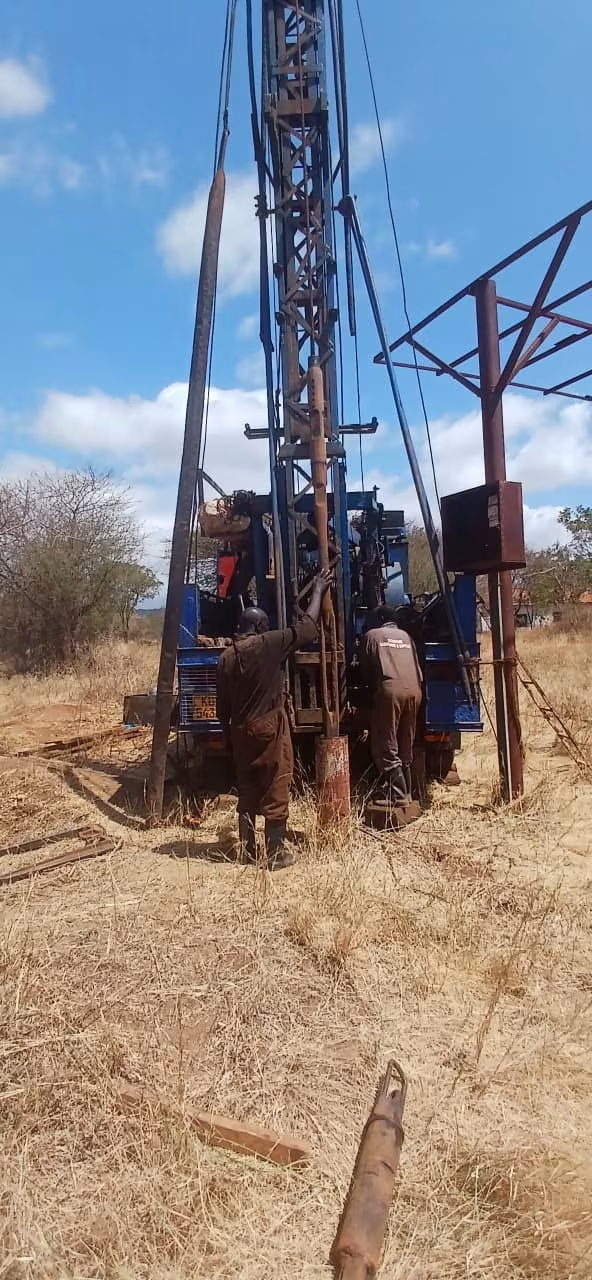
Steep site borehole planning needs a careful assessment of access, ground conditions and water delivery. A hillside location can create several separate questions before drilling begins. Therefore, avoid choosing a position solely because it appears level. The proposed equipment, work area and future system all need appropriate professional assessment.
Masterpiece Hydro-Solutions offers borehole drilling. To discuss sloping land, request a site assessment with route photographs. Include the proposed point, visible drainage and any existing retaining structures. Also, identify uncertainty instead of assuming the ground can support the work.
Begin steep site borehole planning with separate questions
First, distinguish reaching the property from operating at the proposed location. A vehicle may reach the entrance while the final approach remains unsuitable. Likewise, a usable approach does not establish a suitable work area. Ask the contractor to assess both parts explicitly.
Next, separate groundwater location from construction convenience. The easiest-looking position may not match the hydrogeological assessment or relevant requirements. Therefore, coordinate those discussions before treating a platform or terrace as the final choice. A construction change cannot guarantee a useful water source.
Finally, consider the later route from the borehole to storage and users. Elevation affects pumping assessment, while access affects maintenance. Sharing these intentions early helps the team identify missing information. However, the first enquiry remains a brief rather than a finished hillside design.
Describe the approach accurately
Send a location pin with a simple description of the approach road. Also, photograph visible turns, narrow sections and the final route from safe positions. Mention recent changes such as erosion or damaged surfaces. The contractor should decide whether further inspection or specialist assessment is necessary.
Do not assume that a road suits drilling equipment because another heavy vehicle once used it. Equipment arrangements and conditions differ. Ask the contractor to explain the proposed movement plan and unresolved constraints. Avoid requesting a driver to test an uncertain route as a substitute for assessment.
Also, identify ownership or control of each route section. A private track, estate entrance or shared crossing may require practical permission. Confirm who will discuss those arrangements. Formal requirements depend on the site, so consult the relevant authority or adviser where necessary.
Compare steep site borehole planning decisions
| Decision area | Information to provide | Professional question |
|---|---|---|
| Approach route | Safe photographs and known restrictions | Can the proposed equipment reach the location? |
| Operating area | Existing layout and visible ground conditions | What assessment or preparation is necessary? |
| Retaining structures | Available drawings and condition information | Does a suitable specialist need to review them? |
| Surface drainage | Observed runoff and erosion history | How should the work plan address these conditions? |
| Delivery elevation | Tank and user locations | What survey information supports pump sizing? |
| Long-term access | Future development and route plans | How will inspection and maintenance remain practical? |
The table separates questions that owners sometimes combine into one request for hillside drilling. Each needs evidence relevant to the decision. Therefore, ask who assesses each issue and where that work appears in the quotation. An unpriced uncertainty should remain visible until resolved.
Let qualified personnel assess the ground
Sloping ground can involve conditions that photographs cannot establish. Ask the contractor what it needs to know about support, existing terraces and nearby structures. Where specialist input is necessary, request a clear referral or assessment requirement. Do not infer suitability from a surface that looks firm.
Also, disclose known filling, previous earthworks or visible movement. Provide available drawings and reports without presenting them as current certification. The appropriate professional can decide whether they remain useful. An older document may describe a condition that later work has changed.
Do not create a platform, alter a retaining structure or excavate a slope from general article advice. These actions need site-specific professional planning. The buyer’s role is to arrange assessment and understand the scope. Qualified teams must determine the appropriate construction method and safeguards.
Include weather and drainage in readiness discussions
Ask how current ground and route conditions affect the planned arrival. Rainfall, runoff or erosion can change an earlier access assessment. Therefore, agree who reports visible changes before mobilisation. The contractor can then decide whether another inspection or revised work plan is necessary.
Also, describe where water normally flows across the property. Photographs from safe locations and your observations may help identify questions. However, do not divert runoff or alter drainage yourself to prepare for drilling. Ask the relevant professionals to assess any proposed changes.
Steep site borehole planning should include a clear postponement process. Ask how the terms treat a changed site condition, waiting or an aborted journey. Actual charges depend on the agreement and circumstances. Request the stated triggers instead of assuming every weather delay follows one rule.
A scenario with a tank above the proposed point
Imagine an owner proposes drilling near the lower part of a sloping property. The intended tank sits higher beside a house. The owner focuses on the convenient drilling approach and assumes the existing small pump will later lift the water. That assumption leaves the delivery duty unresolved.
First, the drilling team assesses the route and proposed work area. Next, the project obtains the relevant groundwater and construction information. After drilling and testing, the equipping assessment uses the actual pumping conditions and the tank location. It does not substitute drilled depth for every lift calculation.
The example shows two related decisions rather than one hillside package. Safe construction access does not prove pump suitability. Likewise, a technically possible delivery arrangement does not prove that the proposed drilling area is suitable. Each stage needs its own evidence and clear scope.
Understand elevation without choosing equipment yourself
Total dynamic head considers pumping lift, delivery elevation, friction and required outlet pressure. Therefore, a tank above the borehole can affect the equipment assessment. Ask which reference levels and source information the designer uses. Consistent reference points matter more than a rough statement that the land is steep.
Also, distinguish the drilled depth from the pumping water level and pump setting. These figures describe different aspects of the borehole. Do not select equipment using drilled depth alone. Ask the designer to explain how the measured source and required delivery relate.
For later equipment assessment, see Masterpiece Hydro-Solutions borehole equipping. Provide the tank location, intended volume and available records. Steep site borehole planning becomes clearer when the construction and delivery assumptions remain traceable across both stages.
Keep authorisation and location decisions connected
The Water Resources Authority permitting guidance describes an application, construction authorisation and a later water permit. Ask WRA which current site-specific requirements apply. Also, clarify what happens if access findings suggest moving the proposed drilling location.
Do not treat a nearby terrace as automatically covered by the existing project documents. Ask the responsible professionals and authority what review the change requires. The commercial proposal should identify who handles the resulting information. Avoid promises about approval or processing time.
Finally, include relevant reports and location references in the handover file. Future work may need to understand the original assessed arrangement. Accurate records help the next team ask informed questions. However, they do not replace a current inspection after significant site changes.
Prepare a hillside enquiry checklist
- Provide the county, location pin and proposed drilling point.
- Photograph the approach and final access from safe positions.
- Identify controlled gates, shared routes and known restrictions.
- Describe recent erosion, visible ground changes or drainage concerns.
- Attach available earthworks, retaining-structure or ground reports.
- Show the intended tank and main water-use locations.
- List future buildings or road changes that may affect access.
- Ask which site assessments and preparation works remain outside the quote.
Also, state what you cannot confirm. For example, the capacity of an existing crossing may remain unknown. The contractor can then identify the appropriate assessment. A transparent list of unknowns supports a better proposal than a confident but unsupported claim that access is ready.
Questions about steep site borehole planning
Can a drilling rig work anywhere on sloping land?
No general statement can establish suitability for a particular site. The proposed equipment, route and operating area need professional assessment. Send accurate information and arrange the requested inspection. Do not attempt ground preparation based on assumptions about what a rig can tolerate.
Should I level an area before requesting a quote?
First, ask the contractor and relevant professionals what assessment the location needs. Unplanned earthworks may create new risks or conflict with the proposed point. Obtain a site-specific scope before changing the ground. This article does not provide platform construction or slope alteration instructions.
Does a lower drilling point always cost less?
Not necessarily. Access, construction needs and later water delivery can affect different parts of the project. Ask for an itemised assessment rather than comparing elevation alone. A convenient position also needs to suit the groundwater assessment and applicable requirements.
Will a larger pump solve a high tank location?
Pump selection needs the required flow, total dynamic head and source evidence. A larger label alone does not establish a suitable duty. Request a qualified equipment assessment after the necessary records exist. The pumping arrangement must also respect the source’s assessed capacity.
What if conditions change before the planned visit?
Tell the contractor promptly and provide safe photographs where useful. The team should decide whether the earlier assessment remains valid. Also, review the agreed rescheduling process. Steep site borehole planning benefits from a clear readiness check immediately before movement.
Request an assessment of the whole route
Useful steep site borehole planning covers access, the operating area and later water delivery. It also identifies where specialist input remains necessary. Gather reliable records and explain visible changes before committing to mobilisation. The resulting proposal should show its assumptions and unresolved decisions.
Send Masterpiece Hydro-Solutions your sloping-site enquiry. Include the approach photographs, proposed point and intended tank location. Request a clear assessment scope before arranging ground preparation or accepting an equipment package.